These 9 Food Companies Are Ruining the Environment. Stop Buying From Them
In today’s world, the choices we make at the grocery store extend far beyond just the quality of the food we eat. More than ever, consumers are becoming aware of the environmental impact of their purchases. From deforestation to pollution, some of the biggest food companies are contributing heavily to the planet’s degradation.
The connection between the food we buy and environmental destruction is often hidden behind glossy packaging and well-crafted marketing campaigns. However, if we look closer, it becomes clear that certain companies are wreaking havoc on the environment, often with little regard for the consequences.
Here’s a look at nine food giants whose practices are having devastating effects on the planet.
Nestlé Water Waste and Deforestation
Nestlé, one of the largest food and beverage companies in the world, has been widely criticized for its practices that contribute to both deforestation and excessive water usage. The company is one of the biggest commercial water bottlers globally, extracting millions of gallons of water from natural sources in areas already facing drought and water scarcity.
Additionally, Nestlé has been linked to deforestation, particularly in the Amazon rainforest, where it sources palm oil for many of its products. Palm oil plantations are a leading cause of deforestation, displacing indigenous wildlife and releasing carbon into the atmosphere. Their environmental footprint is staggering, and despite growing pressure, Nestlé has been slow to change its damaging practices.
Coca-Cola
Coca-Cola is notorious for contributing to plastic pollution worldwide. As one of the largest producers of single-use plastic bottles, Coca-Cola has played a significant role in the global plastic crisis, with billions of plastic bottles ending up in oceans, rivers, and landfills each year.
The company also faces severe criticism for its water usage. In areas like India, Coca-Cola has been accused of depleting water sources, leaving local communities without access to clean water. In many cases, the company has extracted water from regions experiencing drought, further exacerbating water scarcity.
Mondelez ,Deforestation, and Climate Change
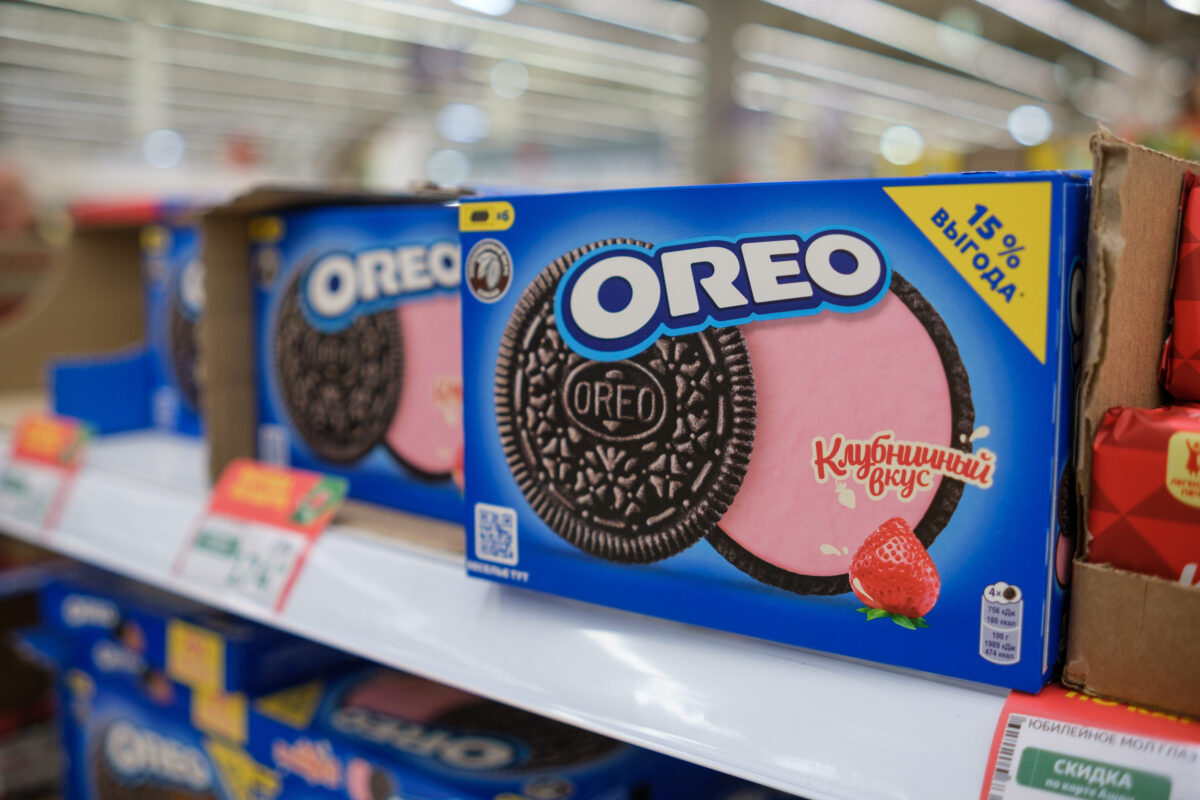
Mondelez, the company behind brands like Oreo, Cadbury, and Ritz, has been linked to deforestation and biodiversity loss through its sourcing of palm oil, cocoa, and other agricultural products. The company’s supply chains have been found to contribute to rainforest destruction, particularly in regions such as Southeast Asia and West Africa.
Deforestation releases large amounts of carbon into the atmosphere, contributing to climate change. In addition, the company’s cocoa farming practices have been linked to harmful pesticide use and child labor, further heightening environmental and ethical concerns.
Tyson Foods , Factory Farming, and Greenhouse Gas Emissions
As one of the world’s largest meat producers, Tyson Foods is a significant contributor to environmental degradation. The meat production industry is a major source of greenhouse gas emissions, with factory farming practices contributing to deforestation, land degradation, and water pollution. Tyson’s operations are heavily reliant on large-scale animal agriculture, which has a much higher carbon footprint compared to plant-based foods.
The company has also faced criticism for its waste management practices, with waste runoff from its facilities polluting local waterways and harming ecosystems. Despite calls for a shift towards more sustainable practices, Tyson has been slow to adapt to the growing demand for more eco-friendly alternatives.
General Mills , Deforestation, and Soil Degradation

General Mills, the company behind iconic brands like Cheerios, Betty Crocker, and Häagen-Dazs, has been implicated in environmental destruction due to its sourcing of palm oil, soy, and other agricultural products. Like many other food giants, General Mills has contributed to deforestation, particularly in regions like Southeast Asia and Latin America. The company has also faced scrutiny for its farming practices, which contribute to soil degradation and the depletion of natural resources. While General Mills has made some strides in improving its environmental practices, the impact of its global supply chains remains significant.
PepsiCo , Water Consumption and Land Degradation
PepsiCo, another beverage giant, shares many of the same environmental issues as Coca-Cola, particularly regarding water use. The company has faced accusations of draining water supplies in areas suffering from drought, particularly in India. PepsiCo’s production processes require significant amounts of water, and in some cases, its operations have depleted local groundwater supplies, leaving communities with inadequate access to clean water.
Additionally, PepsiCo has been linked to soil erosion and land degradation due to its vast agricultural supply chains. The environmental consequences of the company’s practices are a reminder of the high environmental cost of large-scale food production.
ADM (Archer Daniels Midland) ,Monocropping and Pesticides
ADM, one of the largest agricultural commodity traders in the world, is responsible for much of the monocropping and pesticide use that damages soil health and biodiversity. The company is heavily involved in the production of soy, corn, and other crops used in processed foods.
Monocropping, the practice of growing a single crop over vast areas, leads to soil depletion, water contamination, and a loss of biodiversity. Additionally, the widespread use of chemical pesticides on crops has harmful effects on local ecosystems, contaminating soil and water and endangering wildlife. ADM’s influence on global agriculture is enormous, and the environmental consequences are far-reaching.
JBS , Amazon Destruction, and Greenhouse Gas Emissions
JBS, the world’s largest meat processing company, has been linked to the destruction of the Amazon rainforest through its supply chain.
The company sources cattle from farms engaged in illegal deforestation, contributing to the ongoing loss of biodiversity in the Amazon. In addition to deforestation, JBS is a significant emitter of greenhouse gases due to its massive scale of livestock production. The meat industry as a whole is a major contributor to climate change, and JBS’s practices exacerbate these issues by supporting unsustainable and environmentally harmful farming methods. The company’s environmental record remains a key concern in the fight against global warming.
Unilever , Plastic Waste, and Deforestation
Unilever, the company behind brands like Dove, Ben & Jerry’s, and Lipton, has made significant efforts in recent years to improve its environmental impact. However, it still faces major issues, particularly in plastic waste and deforestation.
Despite its claims of sustainability, Unilever continues to use large amounts of plastic packaging, much of which ends up in landfills and oceans. Additionally, the company’s sourcing of palm oil, soy, and other agricultural products has been linked to deforestation in critical ecosystems, such as Southeast Asia’s rainforests. While Unilever has taken steps towards sustainability, its continued reliance on environmentally damaging practices raises questions about the effectiveness of these efforts.
Conclusion
The environmental destruction caused by these food companies is alarming, and it is crucial that consumers make more informed choices. From deforestation to water scarcity, plastic pollution to greenhouse gas emissions, the impacts of the food industry on the planet are vast and varied. While some companies have made progress towards more sustainable practices, many are still contributing to the crisis in significant ways.
As consumers, we have the power to make a difference by supporting brands that prioritize the environment and hold these giants accountable. By choosing sustainable, eco-friendly options, we can help shift the tide and create a more sustainable future for the planet.