8 Things You’re Doing That Are Making Your Life Miserable
Life can sometimes feel like a constant struggle, overwhelming, exhausting, and never-ending. But often, it’s not external forces that make life harder. It’s the everyday habits and choices we make that contribute to the stress, frustration, and challenges we face.
Without realizing it, many people are unknowingly complicating their lives with bad habits, poor choices, and unrealistic expectations. In this article, we’ll explore 8 things people are doing that are making life harder, and offer practical solutions to break free from these patterns.
Constantly Overloading Your Schedule
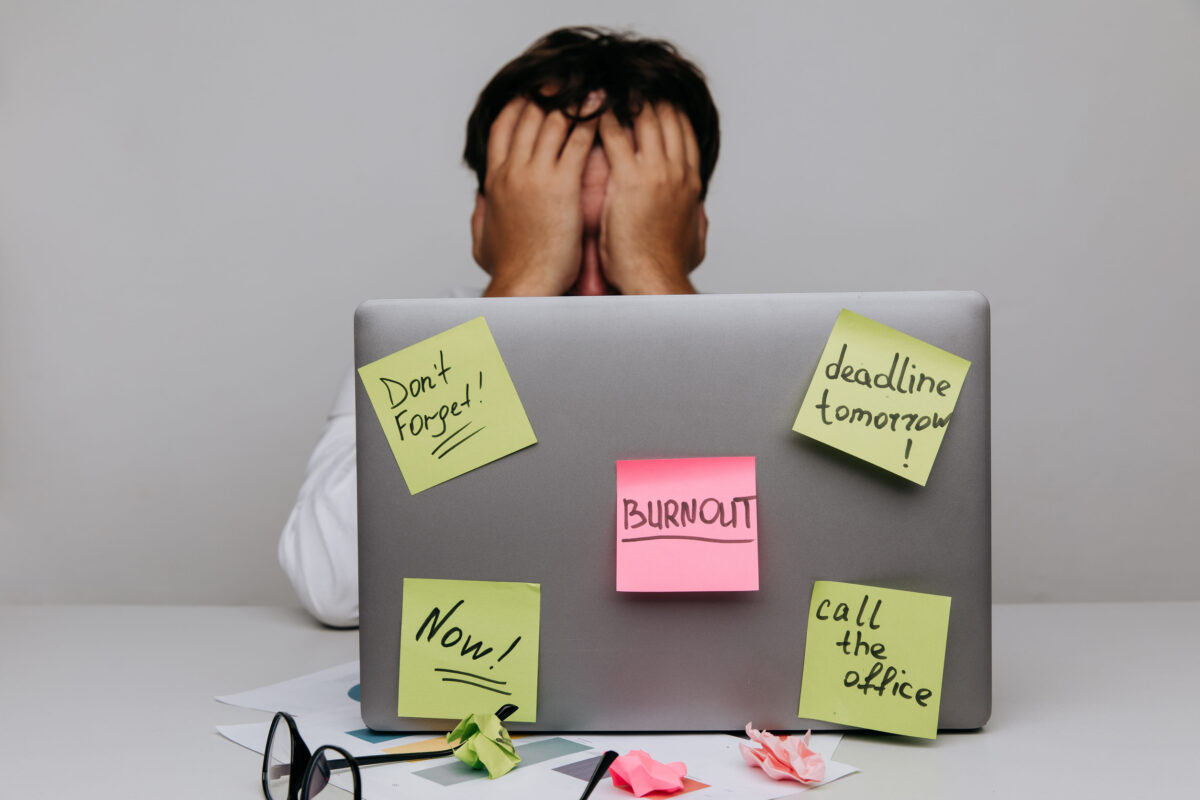
We’ve all been there, packed schedules, running from one task to the next, with barely a moment to breathe. While staying busy can feel productive, overloading your schedule can leave you feeling burned out, stressed, and overwhelmed. People who say “yes” to everything often end up spreading themselves too thin, leading to a lack of focus and an inability to prioritize what truly matters.
Learn to say “no.” Prioritize your tasks based on their importance and impact. Leave time for rest and relaxation in your day-to-day life. This can help reduce stress and increase your productivity and mental clarity.
Not Setting Boundaries in Relationships
Many people struggle with setting boundaries in their personal and professional relationships. Whether it’s with family, friends, or colleagues, failing to establish healthy boundaries can lead to resentment, burnout, and feelings of being taken advantage of. Constantly saying “yes” to requests or sacrificing your own needs for others can create emotional exhaustion and strain on your relationships.
Practice assertiveness and set clear boundaries. Be honest about your limits and communicate them calmly. It’s okay to put your needs first and to say “no” when necessary. Healthy boundaries improve the quality of relationships and allow for more respect and balance.
Procrastinating on Important Tasks

Procrastination is one of the biggest contributors to stress and anxiety. Delaying important tasks until the last minute only increases pressure and reduces the quality of the work done. People often procrastinate because they feel overwhelmed by the task at hand or are afraid of failure, which creates a vicious cycle of avoidance.
Break tasks into smaller, manageable steps. Set specific deadlines for each part and commit to working on them regularly. By focusing on progress rather than perfection, you’ll feel less stressed and more in control.
Holding Onto Grudges and Negative Emotions
Holding onto anger, resentment, and grudges can weigh heavily on your mental health. People who harbor negative emotions often find it difficult to move forward in their lives. These emotions can affect your physical health, relationships, and overall well-being, causing unnecessary stress and anxiety.
Practice forgiveness, both for others and for yourself. Letting go of grudges frees up mental and emotional space, allowing you to focus on the present and future. Try journaling or talking to a therapist to work through unresolved emotions and find closure.
Overcommitting Financially

Many people make the mistake of overcommitting financially, whether it’s living beyond their means, accumulating debt, or buying things they don’t need. Financial stress is a leading cause of anxiety and can significantly impact overall happiness and mental health.
Create a budget and stick to it. Start saving for emergencies and prioritize paying off high-interest debt. Take control of your finances by setting realistic goals and tracking your spending. A stable financial foundation provides peace of mind and reduces stress.
Being Afraid to Fail
Fear of failure often holds people back from pursuing their dreams or taking on new challenges. This fear can create a mental block that prevents growth and progress. People who are afraid to fail may avoid taking risks, which limits their opportunities for success and personal development.
Reframe your mindset around failure. Instead of viewing it as a negative outcome, see it as an opportunity to learn and grow. Embrace small risks and learn from mistakes. The more you practice stepping out of your comfort zone, the less fear you will have of failure.
Focusing on What You Can’t Control

Many people waste time and energy focusing on things that are out of their control, whether it’s other people’s actions, external events, or past mistakes. This constant focus on uncontrollable factors can create feelings of helplessness and frustration.
Focus on what you can control: your actions, reactions, and mindset. Practice mindfulness and stay present in the moment. Let go of the need to control everything, and allow life to unfold naturally. This shift in perspective can help reduce stress and bring more peace.
Neglecting Self-Care and Rest
In the hustle of daily life, it’s easy to forget the importance of self-care and rest. People who neglect their physical and mental health in favor of work or other responsibilities often experience burnout, exhaustion, and diminished well-being. Skipping rest or pushing through fatigue is a surefire way to make life harder.
Prioritize self-care by scheduling regular breaks, getting enough sleep, and engaging in activities that recharge you. Whether it’s meditation, reading, exercising, or spending time with loved ones, make time for activities that nurture your body and mind. Rest is essential for maintaining energy and mental clarity.
Conclusion
Life doesn’t have to be as hard as we make it. Often, the small choices and habits we engage in daily are the very things that make life feel overwhelming. By recognizing and addressing these habits, you can simplify your life and start living with more ease and fulfillment.
The key to making life easier is not eliminating challenges but changing how we respond to them. By prioritizing self-care, setting boundaries, letting go of comparisons, and taking control of your finances and mental health, you can create a life that’s less stressful and more rewarding.