10 Facts About the Pope That Will Astonish You
The pope holds one of the world’s most powerful positions, but many people do not fully understand his responsibilities.
The role involves overseeing the spiritual and administrative needs of 1.2 billion Catholics and dealing with the complicated internal politics of the Vatican. This role makes the life of a pope both fascinating and frequently misunderstood.
Whether you’re a devout Catholic or simply a history enthusiast, here are 10 surprising facts about the pope that may challenge what you thought you knew.
The Pope Is Also the Head of a Sovereign State
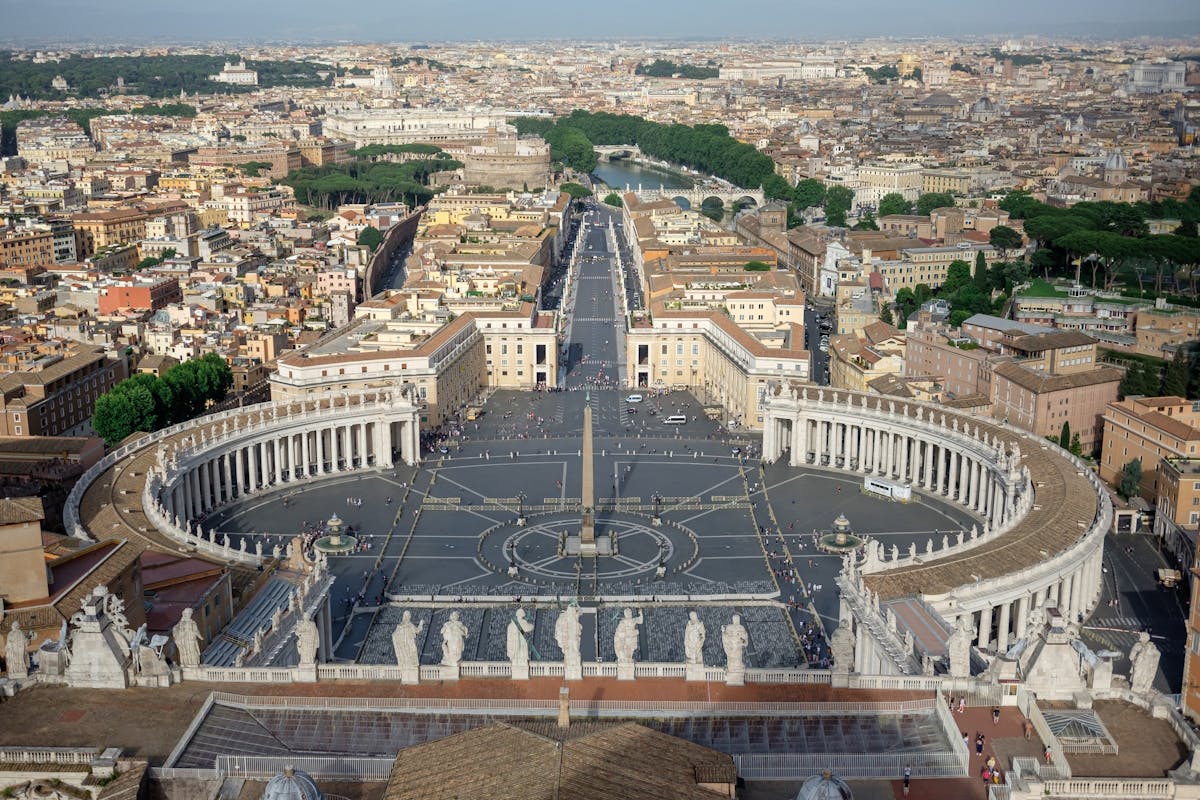
Besides his spiritual role, the pope is the head of Vatican City, an independent city-state within Rome, Italy. Vatican City, home to about 700 people, is one of the smallest nations on Earth.
The pope’s authority as both a religious leader and a head of state makes his role unique in the world.
The Pope Can Be a Teenager
There is no official age requirement for the papacy. The youngest pope, John XII, reportedly became pope at 18 in 955.
Although the role usually goes to experienced clergy, anyone, regardless of age, could be chosen to lead the Church.
Multilingual Mastery
As the spiritual leader of over a billion Catholics, the pope must be fluent in Latin, the Church’s traditional language. Additionally, since the pope also serves as the bishop of Rome, proficiency in Italian is essential.
Beyond these languages, popes often speak multiple modern languages. Pope Francis, for example, was fluent in Spanish, Italian, French, Portuguese, German, and English, making him one of the most multilingual popes in history.
Confession is for the Pope Too
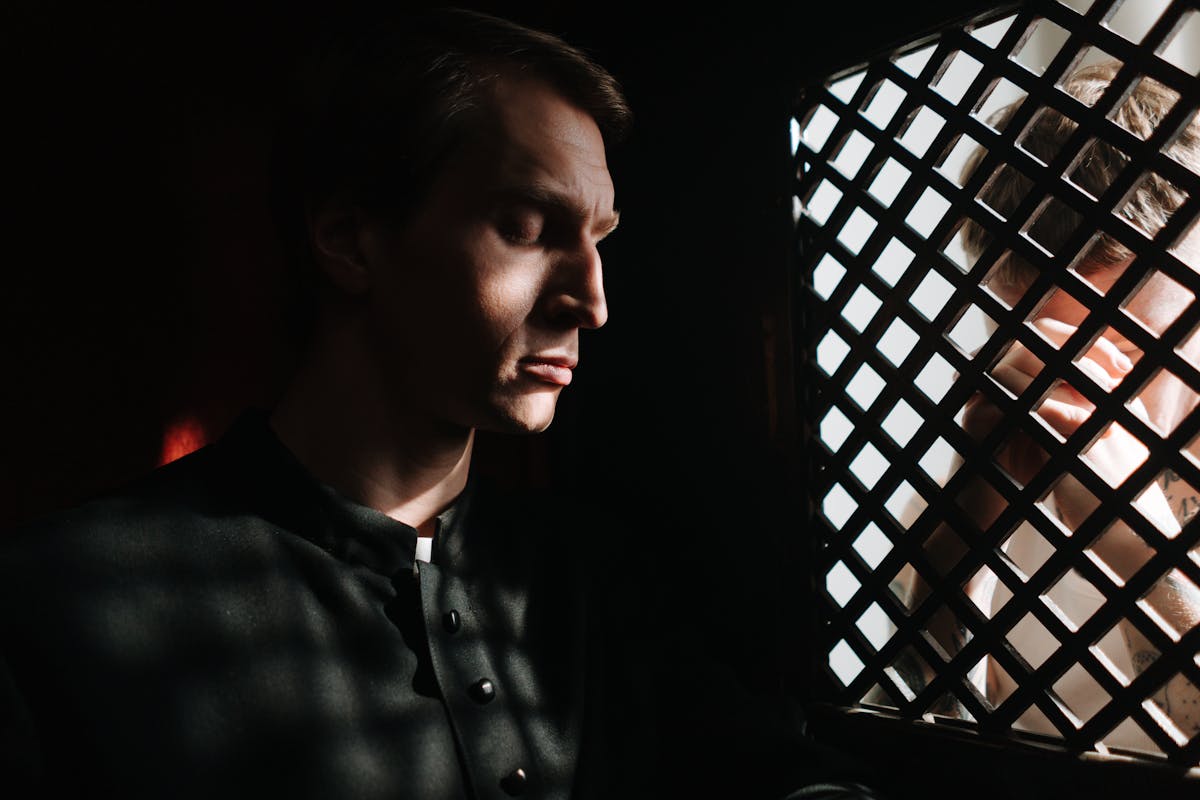
While known as the ‘Holy Father,’ the pope is not exempt from confession.
Popes often confess more frequently than most Catholics; Pope John Paul II and Pope Benedict XVI did so weekly, and Pope Francis reportedly goes every two weeks.
This ongoing humility reflects their belief in spiritual cleansing for all.
The Pope Owns Nothing
One of the most surprising aspects of the papacy is that the pope owns nothing. Despite the Church’s vast wealth, everything the pope needs or wants is provided for him.
This concept of “custodianship” rather than ownership reflects the pope’s role as a servant of God and the Catholic community, with no material possessions of his own.
Some Popes Have Left Shady Legacies
Throughout history, some popes have gained notoriety for their less-than-pious actions. Pope Alexander VI, perhaps the most infamous, was known for his corruption, including bribing cardinals and even selling Church offices.
His reign is often blamed for contributing to the Protestant Reformation, which splintered the Church in the 16th century. These dark chapters in papal history serve as a stark contrast to the modern ideals of humility and service embraced by today’s popes.
The Pope Ranks Among the Most Powerful People in the World
Before his passing, Pope Francis often ranked among the world’s most powerful people, appearing in Forbes’ top five.
His influence extended beyond the Catholic Church into politics, social issues, and humanitarian causes, mobilizing millions and advocating for justice worldwide.
The Pope Has a Bank
The Vatican’s financial institution, the Institute for Religious Works (IOR), also known as the Vatican Bank, manages the Vatican’s funds and investments.
The pope appoints the bank’s head, and while it operates independently, it answers to him.
The Pope’s Death is Declared in a Very Specific Way
When a pope dies, a traditional process is used to confirm his death. Historically, a Vatican official would tap the pope’s forehead with a silver hammer and call his name three times.
This act was last used for Pope John XXIII in 1963. Afterward, under Pope John Paul II, the confirmation changed: a towel is now placed over the deceased pope’s face to signify his death.
The Pope Uses Modern Technology to Reach Millions

The pope uses modern technology, such as X (formerly Twitter), to connect with millions of people. The official papal account, @Pontifex, has millions of followers, and the pope uses it to share messages of faith, love, and peace.
Pope Leo XIV posts regularly, often sharing reflections on religious events and world issues.
Conclusion
The pope’s life and responsibilities are more complex than many realize. He balances power with personal sacrifice, and while past popes left varied legacies, modern leaders like Pope Francis shape the world with messages of compassion, peace, and justice.
These facts offer a glimpse into one of the planet’s most influential roles.