22 Deadly Foods You Never Knew Could Kill You
We’ve all heard the phrase “you are what you eat,” but what if the food you’re consuming could actually be a threat to your life? While most of us simply worry about gaining a few extra pounds or feeling sluggish after indulging in a greasy meal, there are certain foods out there that can be far more dangerous than you might realize.
From toxic plants to improperly cooked meats, some foods can seriously harm your health, even leading to death if consumed carelessly.
Fugu
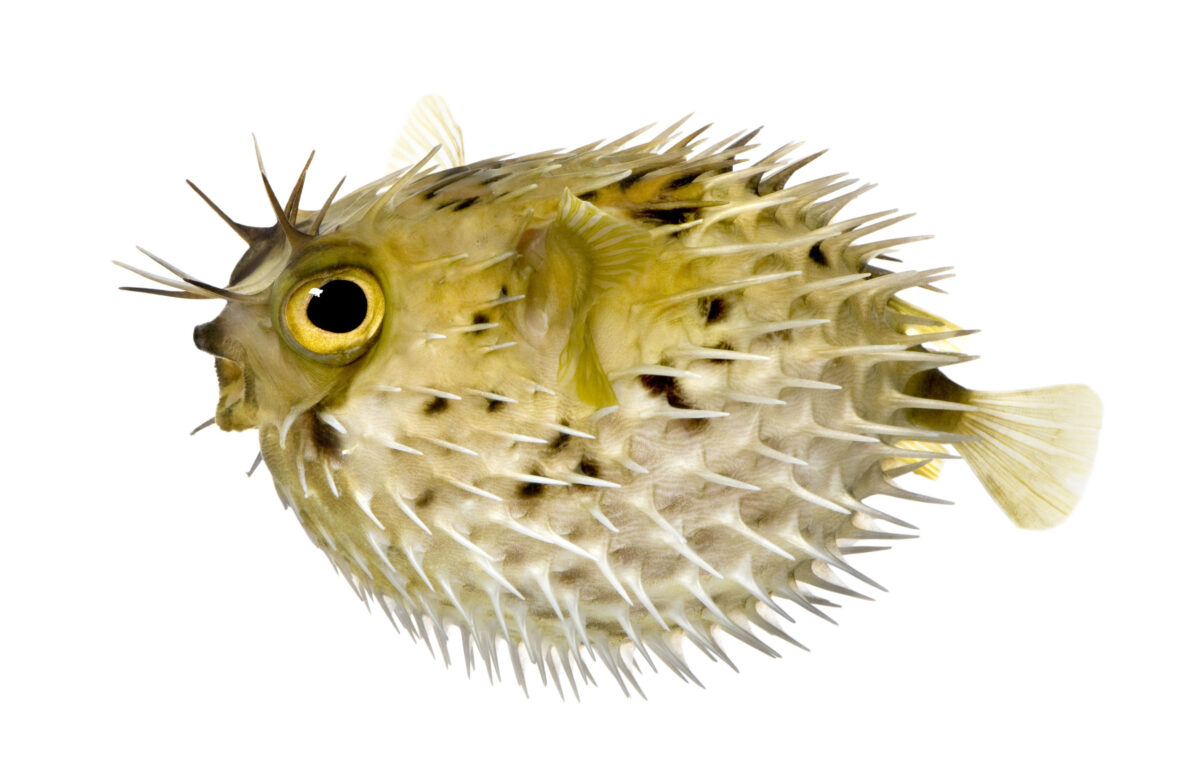
One of the most famous examples of deadly food, fugu is a Japanese delicacy prepared from the pufferfish.
The fish contains a potent neurotoxin, tetrodotoxin, in its organs, especially the liver and ovaries. If not properly prepared by licensed chefs, the toxin can cause paralysis and even death within hours.
Raw Cashews
Although cashews are typically sold roasted or salted, raw cashews contain urushiol, a toxic resin that is also found in poison ivy.
This resin can cause severe allergic reactions, including skin rashes and respiratory distress. In rare cases, consuming large amounts of raw cashews can be fatal.
Green Potatoes
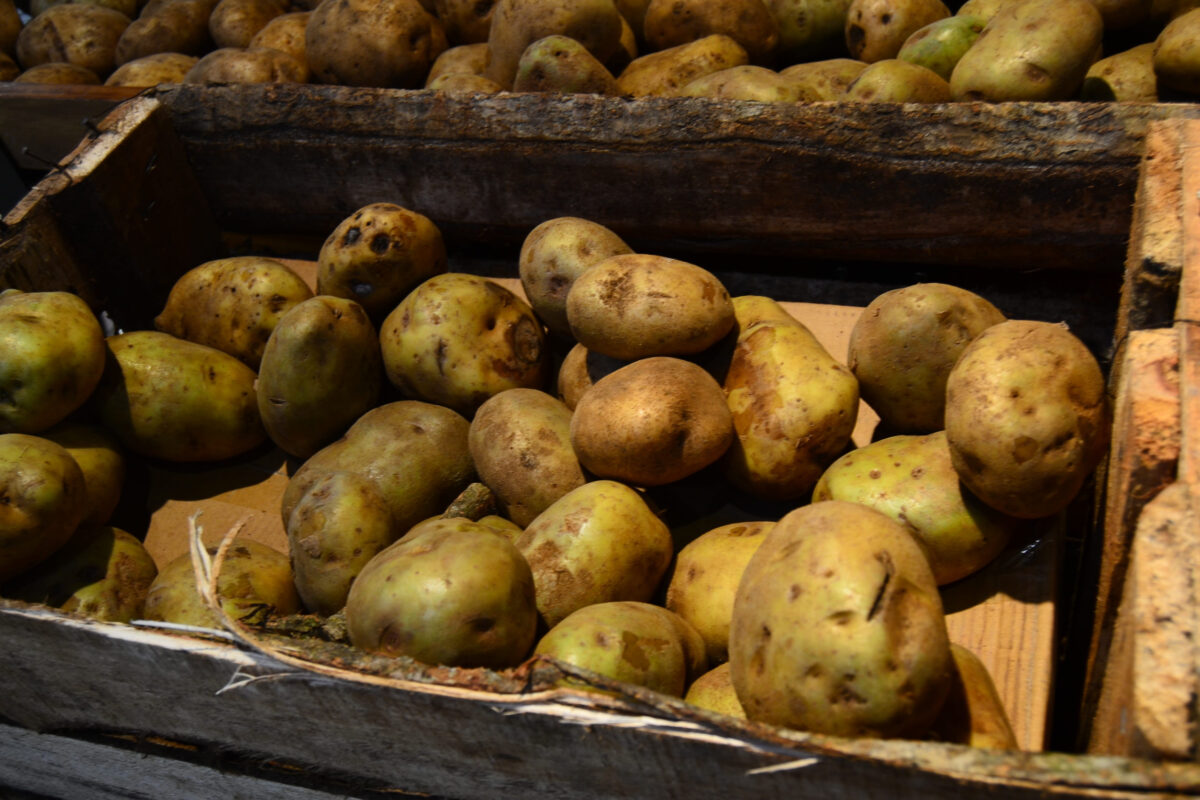
Potatoes that have turned green or sprouted are unsafe to eat.
This green color indicates the presence of solanine, a toxic substance that can cause nausea, vomiting, and even coma in high doses. The solanine content increases when potatoes are exposed to light or stored improperly.
Rhubarb Leaves
Rhubarb stalks are commonly used in pies and desserts, but the leaves are extremely poisonous.
They contain oxalic acid and anthraquinone glycosides, which can cause nausea, difficulty breathing, and kidney failure. Consuming large amounts of rhubarb leaves can be deadly.
lmonds
Sweet almonds are harmless, but bitter almonds contain cyanide in small amounts. While you would need to consume quite a few to be in danger, cyanide poisoning can cause headaches, dizziness, and even death in large quantities.
Bitter almonds are often used to flavor food, but they are banned in many countries for this reason.
Mushrooms
Some wild mushrooms, such as the Amanita phalloides (death cap), can be fatal if consumed. These mushrooms contain toxins that cause severe liver and kidney damage, often leading to death if not treated promptly.
If foraging for mushrooms, it’s important to be 100% certain of the variety you’ve found.
Canned Foods
Canned foods can sometimes harbor Clostridium botulinum, the bacterium that causes botulism. Botulism is a rare but deadly condition that leads to paralysis and, if left untreated, death.
This is why it’s crucial to properly store and handle canned foods, especially those with damaged cans or bulging lids.
Honey
While honey is a delicious and healthy treat, raw honey can sometimes contain spores of Clostridium botulinum, which can cause infant botulism.
Babies under the age of one should avoid honey entirely because their digestive systems are not mature enough to handle these spores.
Fruits with Seeds
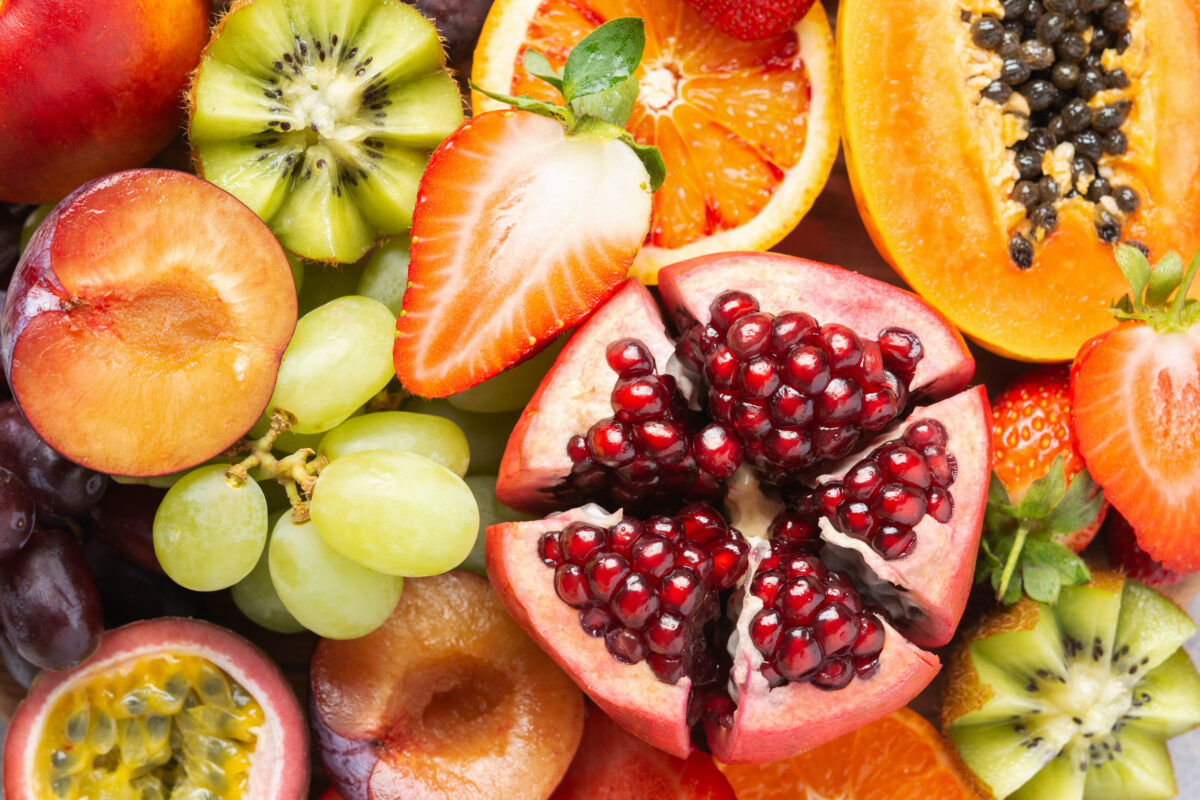
Many fruits contain seeds that, when consumed in large quantities, can release cyanide in the body. Apple and apricot seeds are known to have this harmful compound.
While eating a few seeds won’t likely cause harm, consuming large amounts over time could be deadly.
Sannakji
A popular Korean delicacy, sannakji, involves eating live octopus tentacles that are still moving on the plate.
The risk comes from the suction cups on the tentacles, which can get stuck in your throat, causing choking and potentially suffocation. Several deaths have been reported due to this unusual dish.
Uncooked Kidney Beans
Kidney beans contain a toxin known as lectin, which can cause severe gastrointestinal issues, including vomiting and diarrhea.
To neutralize this toxin, kidney beans must be cooked at high temperatures for at least 10 minutes. Consuming raw or undercooked kidney beans can lead to poisoning and potentially be fatal.
Nutmeg
Nutmeg is commonly used as a spice in baking, but in high doses, it can be dangerous. Consuming large amounts of nutmeg can cause hallucinations, seizures, and even death.
Nutmeg contains myristicin, a compound with psychoactive properties that can be toxic in excessive amounts.
Uncooked Meat
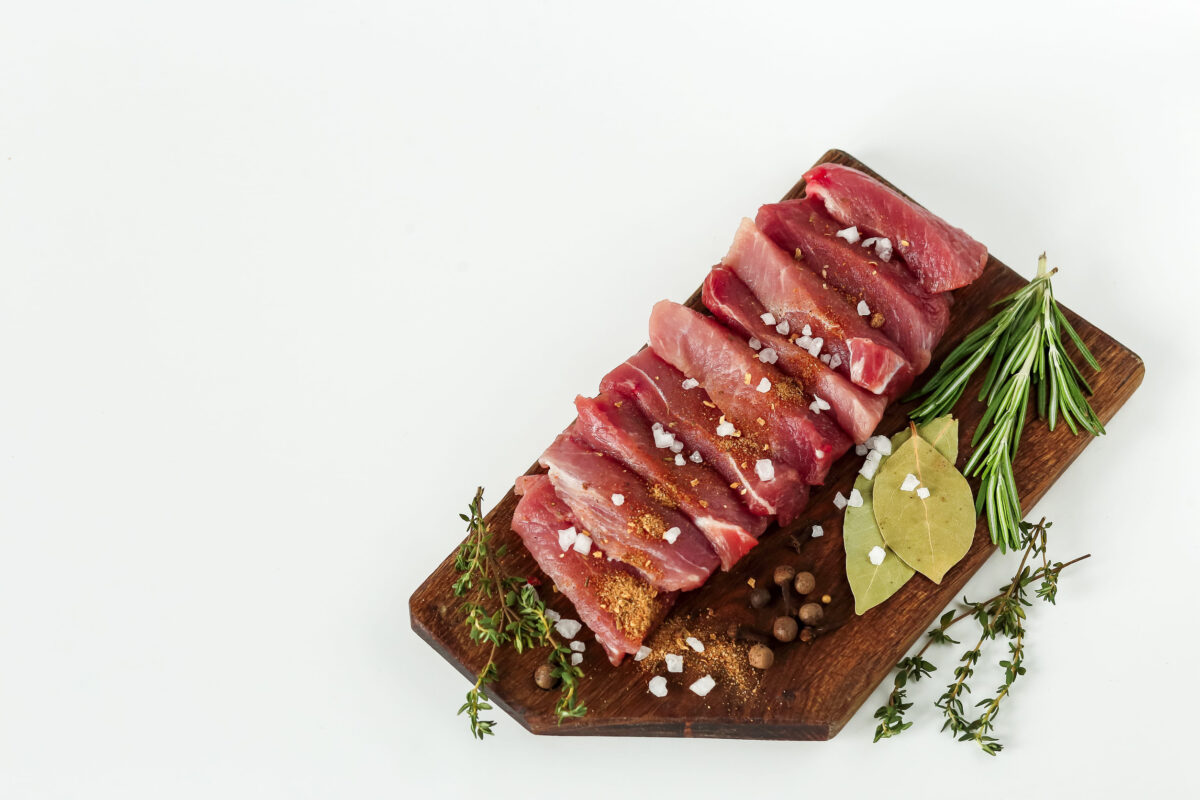
Raw or undercooked meat, especially pork and chicken, can harbor bacteria such as Salmonella or Trichinella (in the case of pork).
These can lead to foodborne illnesses that, if left untreated, could result in death. Always cook meat thoroughly to avoid the risk of infection.
Casu Marzu
This traditional Sardinian cheese contains live maggots deliberately introduced during fermentation. While some people find it a delicacy, consuming casu marzu can be risky.
Live maggots can carry bacteria that can cause gastrointestinal infections, making this cheese potentially deadly.
Unpasteurized Milk
Unpasteurized or raw milk may contain harmful bacteria like Salmonella, E. coli, or Listeria, which can cause severe foodborne illnesses.
Pregnant women, young children, and the elderly are particularly at risk of serious complications or death from these pathogens.
Tuna
While tuna is a healthy source of protein, eating too much can be harmful due to its high mercury content.
Mercury poisoning can lead to neurological damage, kidney failure, and, in extreme cases, death. Pregnant women and children are especially vulnerable to the effects of mercury.
Citrus Seeds
Citrus seeds contain cyanogenic compounds, which can release cyanide when consumed in large quantities.
While you’d need to eat an impractical amount of seeds to experience poisoning, regular consumption of large amounts can still be dangerous. It’s best to avoid chewing or swallowing citrus seeds altogether.
Achiote
This tropical spice is used in many Latin American dishes, but consuming it in large quantities can cause toxicity.
Achiote contains a compound called norbixin, which can be harmful in high doses. It has been linked to health issues like liver damage and respiratory problems.
Sausages
Sausages, like many processed meats, can be dangerous if left at room temperature for too long.
If not properly stored, they can harbor harmful bacteria, such as Clostridium botulinum, which can cause botulism. Always refrigerate sausages immediately after use to avoid potential poisoning.
Wild Birds
Wild birds, including parrots, can sometimes carry diseases such as psittacosis, a bacterial infection that can cause severe respiratory issues.
If not properly prepared and cooked, wild birds could spread these diseases to humans, leading to death in rare cases.
Cherries
Cherries are delicious, but their seeds can pose a significant danger due to their cyanide content.
While eating a few seeds likely won’t cause harm, consuming too many can lead to poisoning, including dizziness, nausea, and even death.
Fruits with High Pesticide Levels
Fruits grown without organic practices can have high levels of pesticides. Consuming them in large amounts can be dangerous, particularly when pesticides are not washed off properly.
Long-term exposure to pesticides has been linked to health issues ranging from hormone disruption to cancer, potentially leading to fatal outcomes.
Conclusion
While most foods in the average diet are perfectly safe when prepared and consumed correctly, the risk posed by some foods cannot be ignored. Whether it’s improperly prepared seafood, uncooked meats, or everyday ingredients like potatoes, it’s crucial to know how these foods are prepared and handled. Eating with caution and knowledge can ensure that your meals remain delicious, nutritious, and, most importantly, safe.
So, before you take that next bite, make sure it’s not one that could cost you your health or even your life. Stay informed, stay safe!