Stop Making These 7 Fried Chicken Mistakes That Destroy Your Meal
Fried chicken is a classic, but the way we cook it often falls short of greatness. You’ve probably heard countless fried chicken recipes claiming to be the best, yet end up with a greasy, soggy disaster.
Why does that happen? The truth is, there are several common mistakes that even experienced cooks make when preparing fried chicken, and they can easily ruin the texture, flavor, and the whole experience. If you’re tired of wasting time on recipes that don’t deliver, you’re about to learn what really goes wrong and how to fix it.
Here are the shocking missteps you’re making and the simple fixes that will elevate your fried chicken game for good.
Skipping the Brine
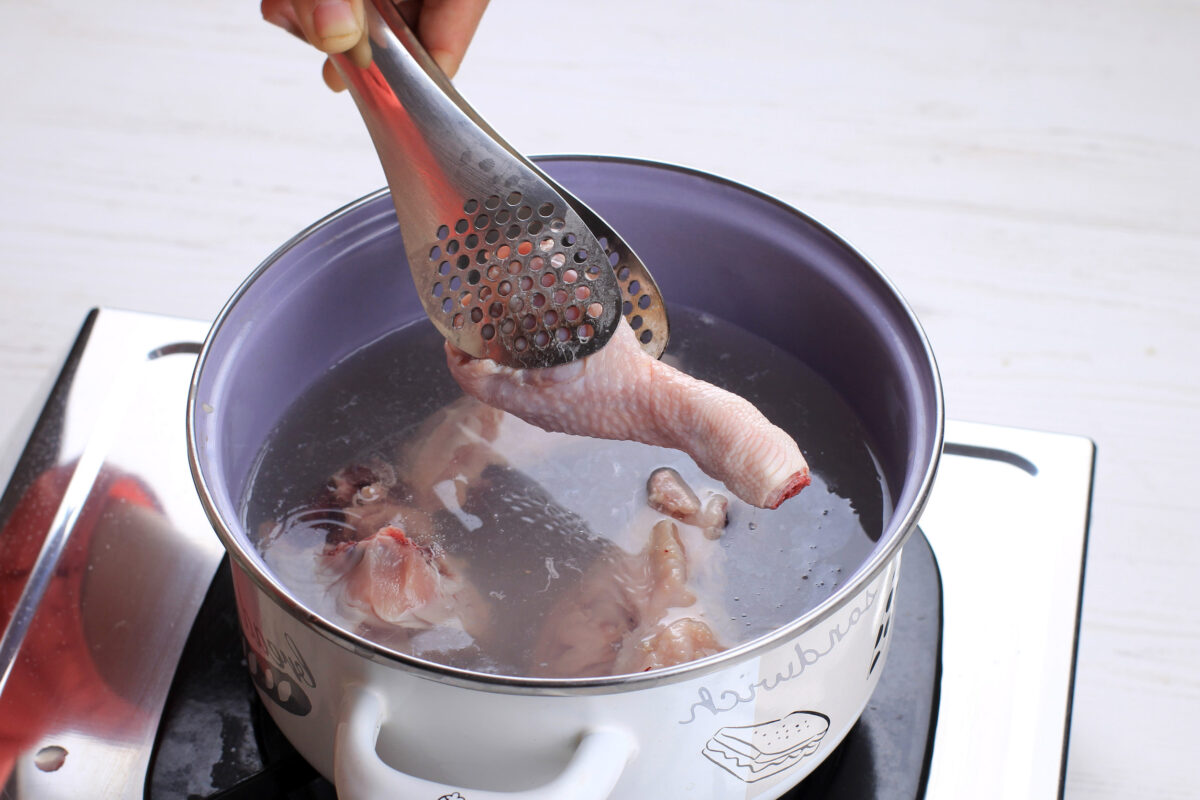
You might be skipping the brine, thinking it’s unnecessary or that you can skip it. That’s a huge mistake. Brining the chicken before frying is the secret to keeping the meat juicy and flavorful. Without it, your chicken will dry out, and you’ll lose that mouth-watering tender bite. It’s a simple step that makes a world of difference in the final product.
Soaking your chicken in a brine of water, cider (or cider vinegar), and salt not only seasons the meat but also keeps it moist while cooking. The brine penetrates the chicken, infusing it from within, so the seasoning doesn’t just sit on the skin. Skipping this step will leave you with bland, dry chicken that doesn’t compare to the crispy, juicy fried chicken you’re after.
Not Resting the Coated Chicken
One mistake many people make is skipping the brief rest period after coating the chicken in flour and cornstarch. This may seem like an unnecessary step, but it’s key to ensuring the crust sticks properly. If you throw the chicken into the hot oil immediately, the flour will slide right off, leaving an uneven, patchy crust.
By resting the chicken on a wire rack for about 10 minutes after coating, you give the flour time to set and bind properly. This simple step ensures the crispy coating stays on throughout the frying process, giving you that satisfying crunch every time you take a bite.
Wrong Oil Temperature
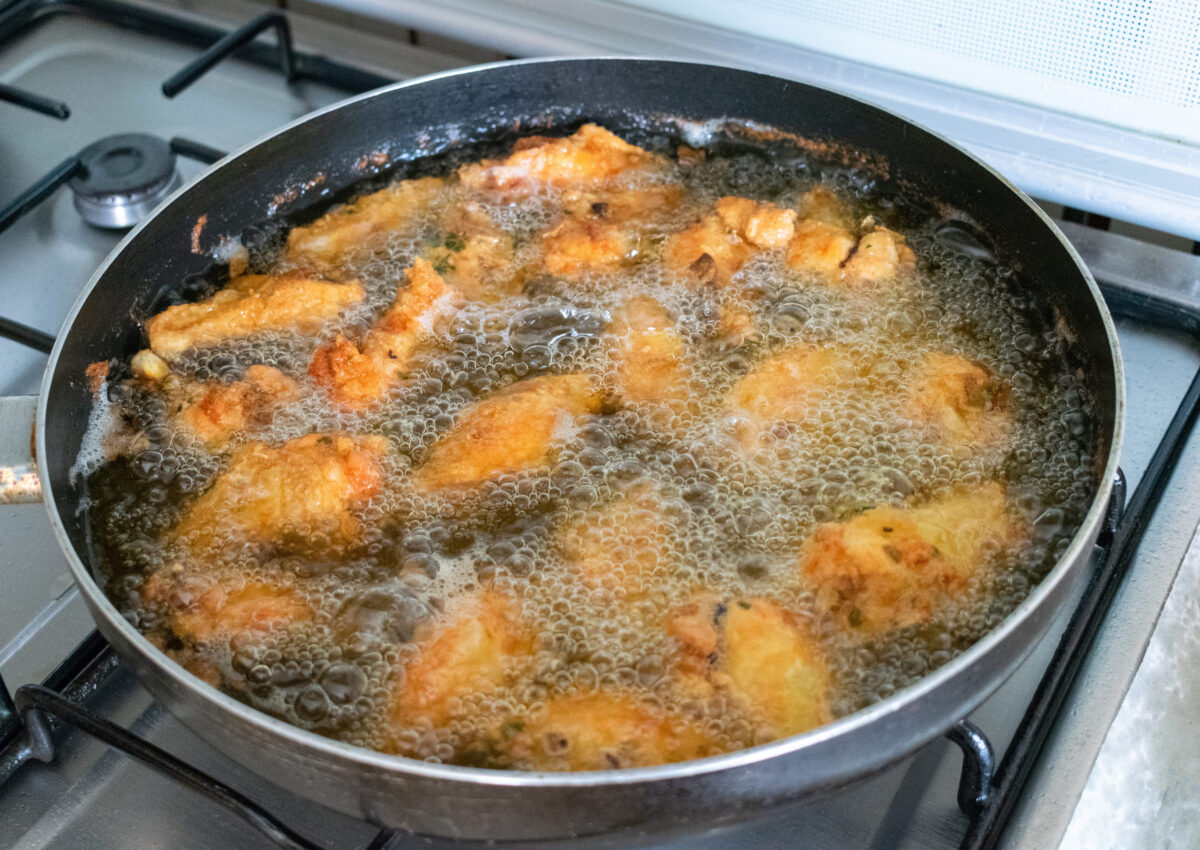
Frying chicken at the wrong temperature is the surefire way to mess up your crispy skin and dry out the meat. If the oil is too cool, the coating absorbs grease, leaving you with a soggy mess. If it’s too hot, the crust burns before the meat is cooked through.
The perfect frying temperature is around 170°C (340°F). Keeping the oil at this temperature ensures that the chicken cooks evenly and the coating turns golden brown without absorbing excess oil. You need to keep a close eye on the thermometer to avoid disaster. Frying in batches helps maintain this ideal temperature and ensures that each piece gets the attention it deserves.
Overcrowding the Pan
When you overcrowd the pan, you lower the oil temperature, making your chicken cook unevenly. The crust can turn out limp, and the meat will take longer to cook through. Instead of stacking the chicken all at once, fry it in smaller batches. Not only will this help maintain the right oil temperature, but it also ensures that each piece gets crispy and golden brown.
Remember, fried chicken needs space to cook properly. Keep the pan lightly filled so the chicken fries evenly, and the results will speak for themselves.
Rushing the Cooling Process
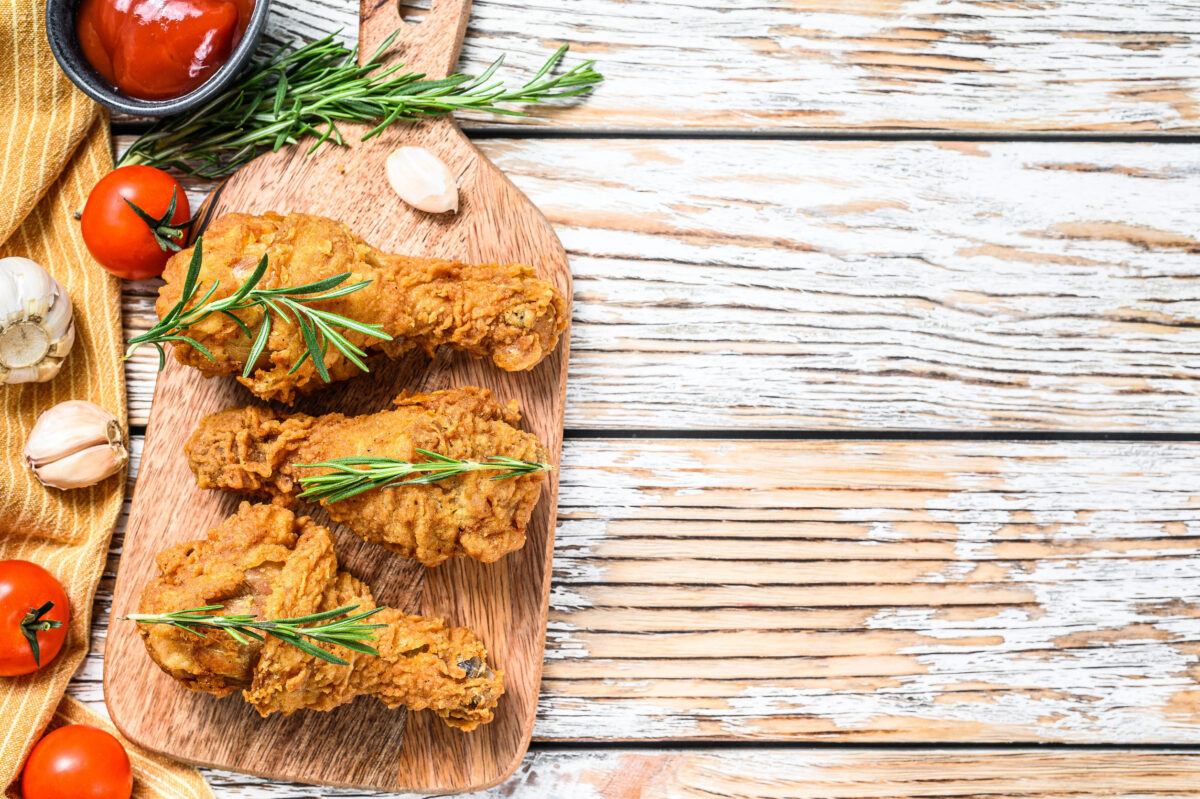
It’s tempting to dive into your crispy fried chicken the second it comes out of the oil, but don’t make the mistake of rushing it. Right after frying, the chicken needs to drain on a wire rack to allow the excess oil to drip off. If you place it on paper towels, the chicken can get soggy due to trapped steam.
To maintain that crispy texture, place your chicken on a wire rack to allow air to circulate around it. This keeps the coating crispy as it cools down, ensuring your fried chicken remains just as delicious as when it was freshly fried.
Not Seasoning the Coating
Simply coating the chicken in flour isn’t enough to create flavor-packed fried chicken. You need to generously season your flour mixture. Without proper seasoning, the crispy crust will taste bland and fail to elevate the overall flavor.
Add a pinch of salt, pepper, cayenne, and paprika to the flour, and feel free to experiment with garlic powder or onion powder for an extra layer of flavor. It’s these spices that infuse the crust with bold, zesty flavor, ensuring each bite is bursting with deliciousness.
Opting for Boneless Over Bone-In Chicken
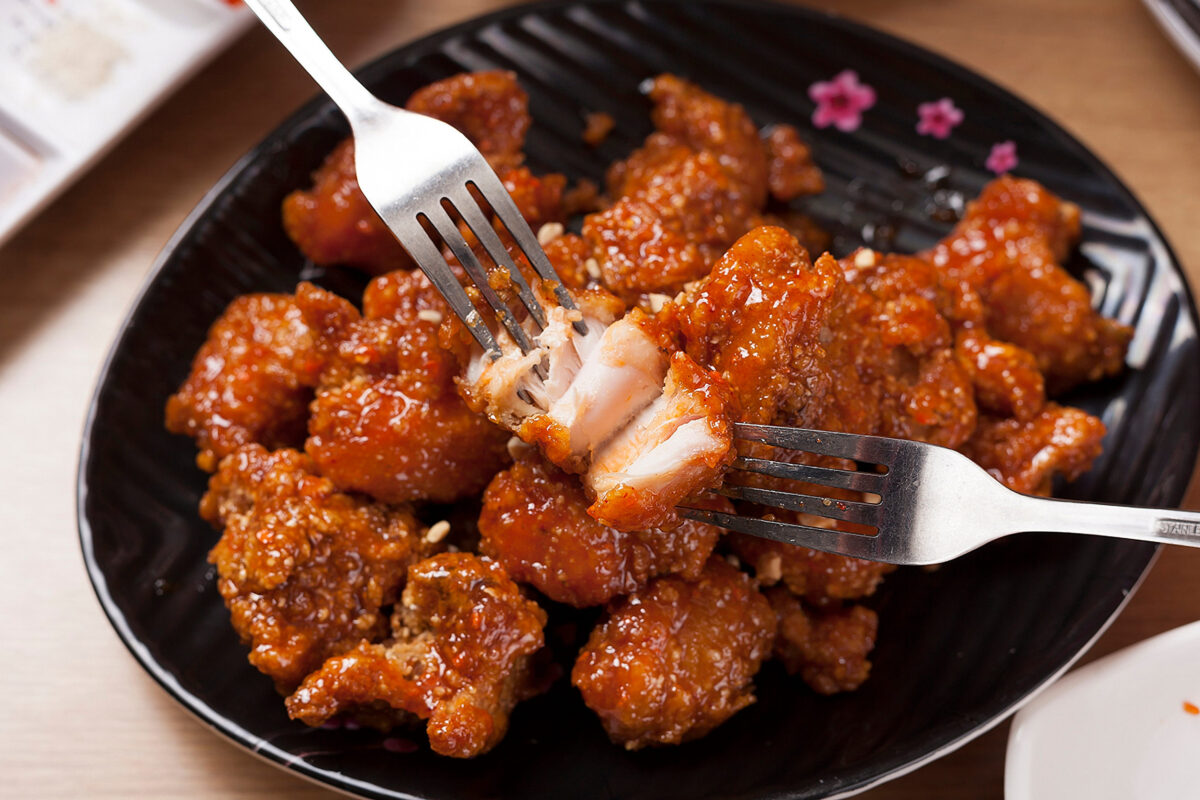
Many people opt for boneless chicken, assuming it’s easier or faster. But here’s the deal: bone-in chicken is always the better choice when frying. Why? Because bone-in cuts, like thighs and drumsticks, retain more moisture during cooking, you get juicier meat and a more flavorful result. Boneless pieces tend to dry out more quickly, and they don’t develop the same richness that bone-in pieces offer.
Bone-in chicken takes a little longer to cook, but the payoff is worth it. The juicy meat, paired with the crispy, golden skin, is what makes fried chicken such a comfort-food classic.
Conclusion
Fried chicken doesn’t have to be complicated, but it does require careful attention to detail. From brining to frying temperature, each step plays a critical role in creating the perfect crispy, juicy chicken. Avoid these common mistakes, and you’ll be serving up fried chicken that’s crispy on the outside, juicy on the inside, and bursting with flavor. With the right method and a little patience, your fried chicken will be the star of any meal, leaving everyone wanting more.