10 Shocking and Unbelievable Foods from Around the World
Food can be a fascinating exploration of culture and tradition, but some dishes challenge even the most adventurous eaters. From delicacies to survival foods, certain items go beyond what many of us are willing to try.
These foods may be shocking, horrifying, or just plain bizarre, but in many parts of the world, they are revered and enjoyed.
Here are 10 of the most unusual and stomach-churning foods from around the globe that might just make you question what is truly edible.
Kopi Luwak
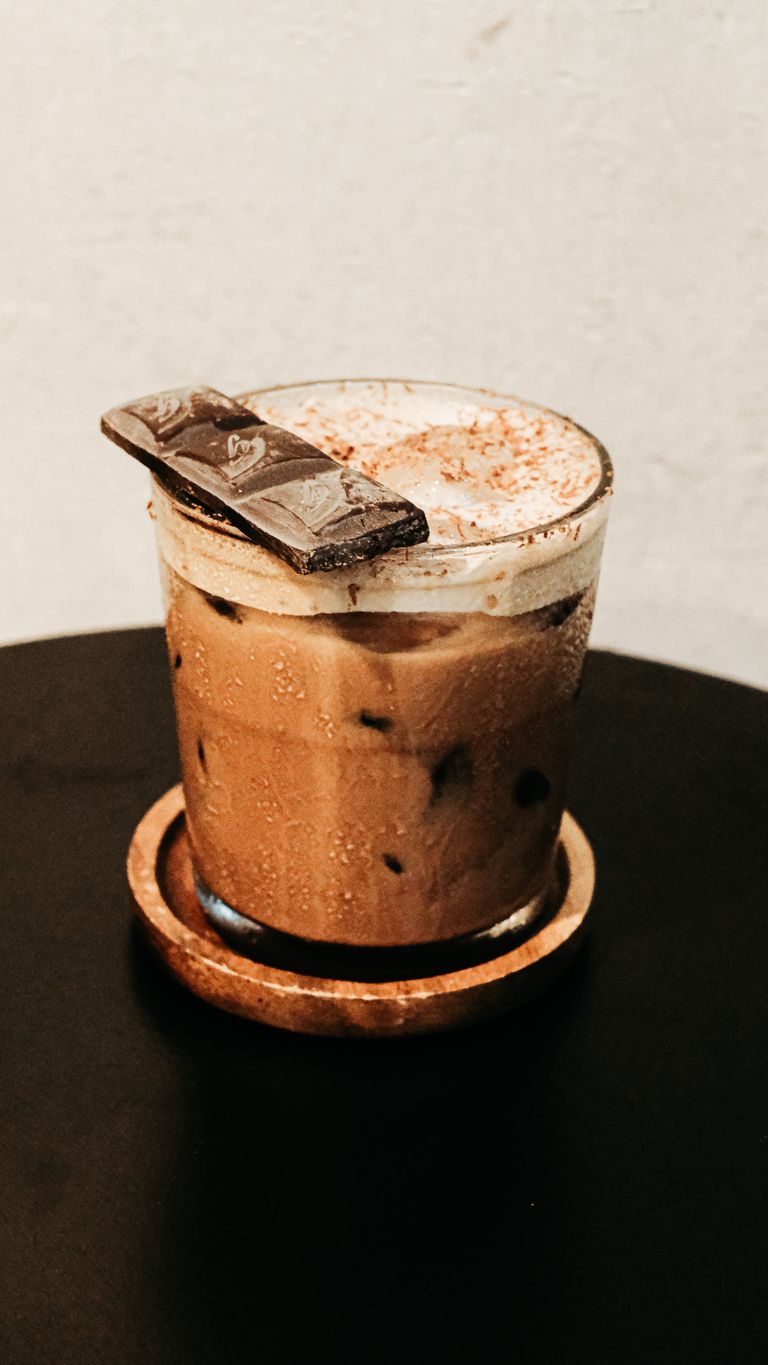
Kopi Luwak, also known as civet coffee, is arguably the most expensive coffee in the world, but its origins might make you cringe. The coffee beans are collected after they’ve been passed through the digestive system of a civet, a cat-like mammal.
The beans are harvested from the animal’s feces, cleaned, and lightly roasted to preserve their flavor. Despite its sky-high price, the thought of drinking coffee processed through animal waste is enough to make many coffee lovers squirm.
Balut
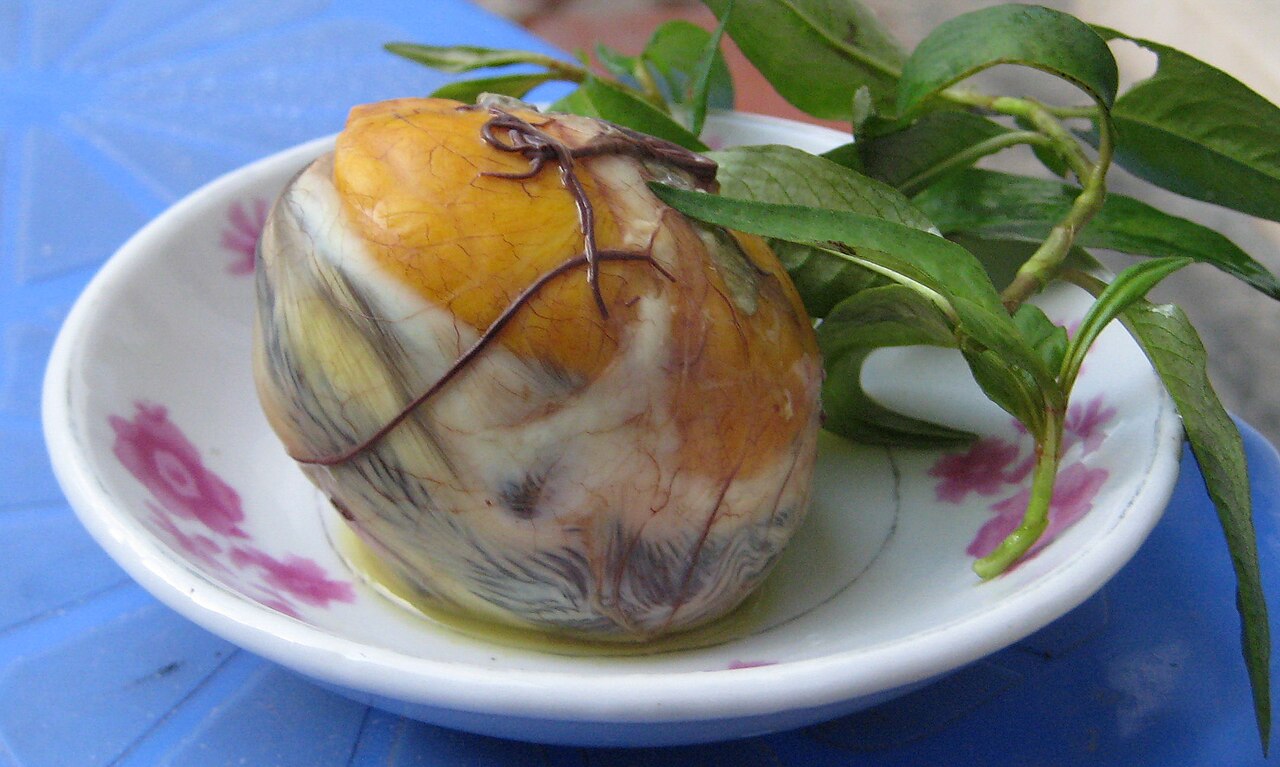
Balut is a fertilized duck egg with a nearly formed embryo inside, commonly eaten in the Philippines, Vietnam, and Cambodia. The egg is boiled in the shell, and the embryo, feathers, and beak are consumed.
For many, the sight of a partially developed duck inside the egg is too much to handle. Yet, for those who dare to try it, it’s considered a high-protein snack that’s often enjoyed with a side of beer.
Bee Larvae
In Japan and China, bee larvae, known as hachinoko, are cooked in soy sauce and sugar to create a mildly sweet, crumbly snack. While the texture may not sound appealing, hachinoko is often served at traditional parties and is considered a nostalgic treat for older generations.
Eating insect larvae may be a normal part of life for some, but it’s certainly a hard pill to swallow for most who aren’t accustomed to eating bugs.
Deep-Fried Tarantulas
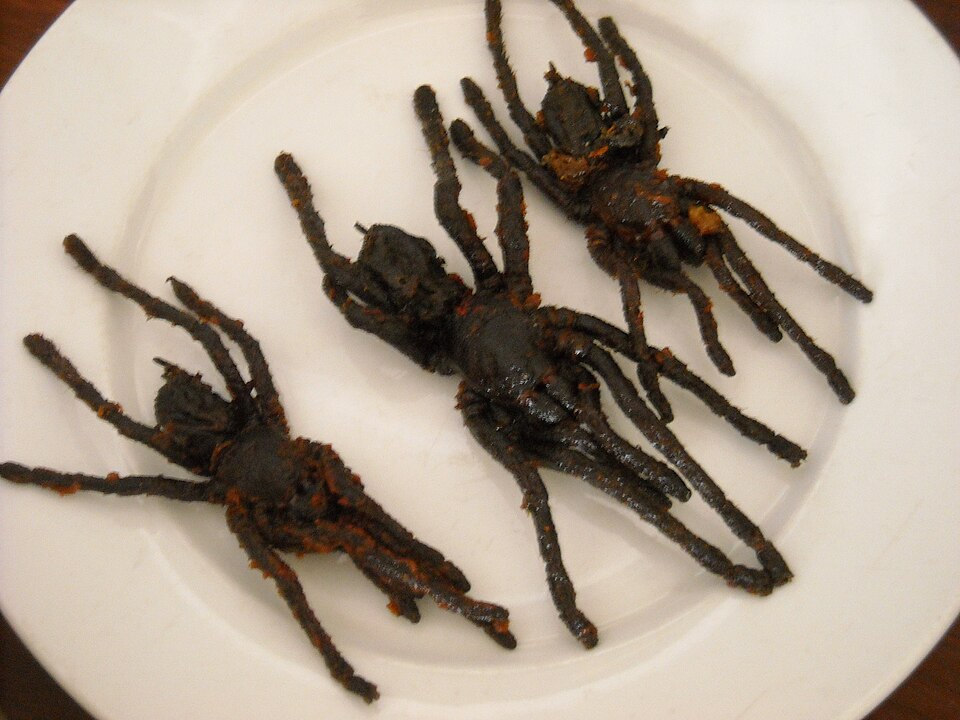
Tarantulas are an unexpected delicacy in Cambodia, particularly in the town of Skuon. These large spiders are bred specifically for consumption and deep-fried into a crispy, chewy snack.
The taste is often compared to crab, though the texture is much more crunchy. The idea of eating a spider is certainly enough to make most people’s skin crawl, but for those with a daring appetite, it’s a must-try.
Ox Penis
In parts of Asia, ox penis is a delicacy often dried and sold as a snack, sometimes deep-fried or steamed. The taste is said to be similar to overcooked squid, making it an acquired taste. While it may sound like something you’d find in a pet store, in some countries, it’s a common food item that’s consumed with relish, despite its bizarre origin.
Caterpillar Fungus
The caterpillar fungus is a parasitic fungus that invades the body of a caterpillar, killing and mummifying it. The fungus then sprouts from the caterpillar’s head and is harvested for use in traditional Chinese and Tibetan medicine.
The fungus is believed to have various health benefits, including aphrodisiac qualities. Consumed as a medicinal ingredient or in soup, it’s a truly bizarre food that’s difficult to imagine eating, but it’s highly prized in certain cultures.
Bird’s Nest Soup
Made from the nests of cave swifts, bird’s nest soup is a delicacy in China. These nests are built entirely out of the bird’s saliva, which hardens when exposed to air. The nests are harvested, soaked, and then cooked into a gelatinous, slightly musty-tasting soup.
While some may find this soup luxurious, others would find it difficult to get past the idea of consuming a nest made of saliva.
Rats

In North Korea, rats are consumed as a food source due to widespread food scarcity. These field rats, unlike the city rats most people fear, are said to taste somewhat like chicken.
While it’s unthinkable for many, rats have been a necessary source of protein for many in rural areas, showing how necessity can turn the unthinkable into a staple.
Monkey Brains
The practice of eating monkey brains, particularly in China, has caused widespread controversy. Although it’s mostly a thing of the past, urban legends still circulate about the practice of eating raw monkey brain, sometimes from a live animal.
The consumption of monkey brains is dangerous due to the risk of contracting diseases like Creutzfeldt-Jakob disease, making it not only revolting but also hazardous to health.
Snake Blood and Bile
Snake blood and bile are consumed in Southeast Asia, particularly in Indonesia and Vietnam, as part of traditional medicine. The blood is drained directly from a live snake, mixed with alcohol, and consumed as a health tonic.
While it’s considered a brave act in some cultures, it’s a practice that most people would find appalling, given the gruesome process and questionable health benefits.
These 10 shocking foods from around the world serve as a stark reminder that what may be considered disgusting in one culture can be a cherished delicacy in another.
Whether it’s the price of a coffee brewed through animal waste or the boldness of consuming a live snake’s blood, each of these foods carries its own cultural significance and often a rich history.
For the adventurous, these dishes offer a taste of the extreme, but for many, they’ll forever remain in the realm of the unthinkable. Would you dare to try one of these shocking foods?