This Nigerian Popular Influencer’s Stage 4 Cancer Claim Sparked Donations, Then a National Uproar
What started as a heartbreaking plea for help has turned into one of Nigeria’s most explosive online scandals.
Nigerian influencer and self-styled relationship coach Blessing CEO, whose real name is Okoro Blessing Nkiruka, drew widespread sympathy after claiming she was battling stage 4 breast cancer. Her emotional posts triggered prayers, concern, and financial support from followers and members of the public who believed they were helping a woman facing a life-threatening illness.
But within days, the mood shifted.
The same story that had pulled at people’s hearts began attracting intense scrutiny after allegations surfaced that the medical report circulated as proof of her diagnosis may not have belonged to her. According to widely reported claims, the document was alleged to have originally belonged to Deborah Mbara, a makeup artist and cancer survivor, before it was allegedly altered and shared as evidence of Blessing CEO’s illness.
That accusation changed everything.
Suddenly, this was no longer just another viral influencer drama. It became a story about public trust, alleged deception, and the emotional weight of using cancer — one of the most feared illnesses in the world — as the center of a fundraising appeal. Nigerians who had first reacted with sympathy began demanding answers. Critics called for accountability. Donors started asking hard questions.
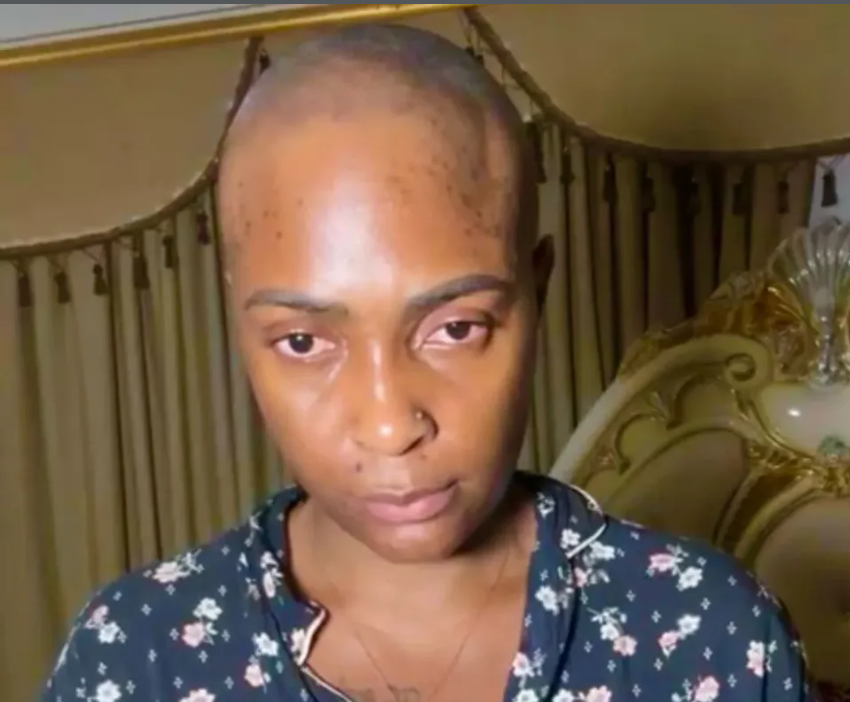
Deborah Mbara then emerged as a central figure in the storm.
She reportedly said she had previously shared her old cancer report with Blessing CEO for comparison, only to later recognize it online after it was allegedly edited and reposted. Her family was also reported to have engaged lawyers as the controversy deepened. Even without a final court ruling, that allegation alone gave the scandal far more gravity. It suggested that this may not simply have been a messy misunderstanding, but a controversy involving the alleged misuse of a real survivor’s medical history.
That is part of what made the backlash so fierce.
Cancer is not a casual subject. It is deeply personal, emotionally devastating, and financially draining for countless families. So when a public figure claims to be fighting stage 4 cancer, people respond with urgency. They donate. They share the story. They rally around the person. If those claims are later challenged in serious ways, the sense of betrayal cuts deeper than in an ordinary online scandal.
As public outrage mounted, respected institutions began to weigh in.
The Nigerian Cancer Society reportedly called for an investigation, warning that any attempt to exploit cancer for personal gain could harm genuine patients by eroding public trust. That intervention pushed the matter beyond gossip blogs and social media commentary. It signaled that the issue had become serious enough to raise concerns about the wider damage false or misleading illness claims can do to real people who desperately need public support.
The Nigerian Medical Association’s Delta State chapter was also widely cited in reports as saying the report shared online had originally belonged to another patient and had been doctored. That detail intensified the controversy even more, although the full underlying documentation and any forensic review were not yet widely available in complete public form.
Blessing CEO, for her part, has not publicly admitted to intentionally deceiving donors.
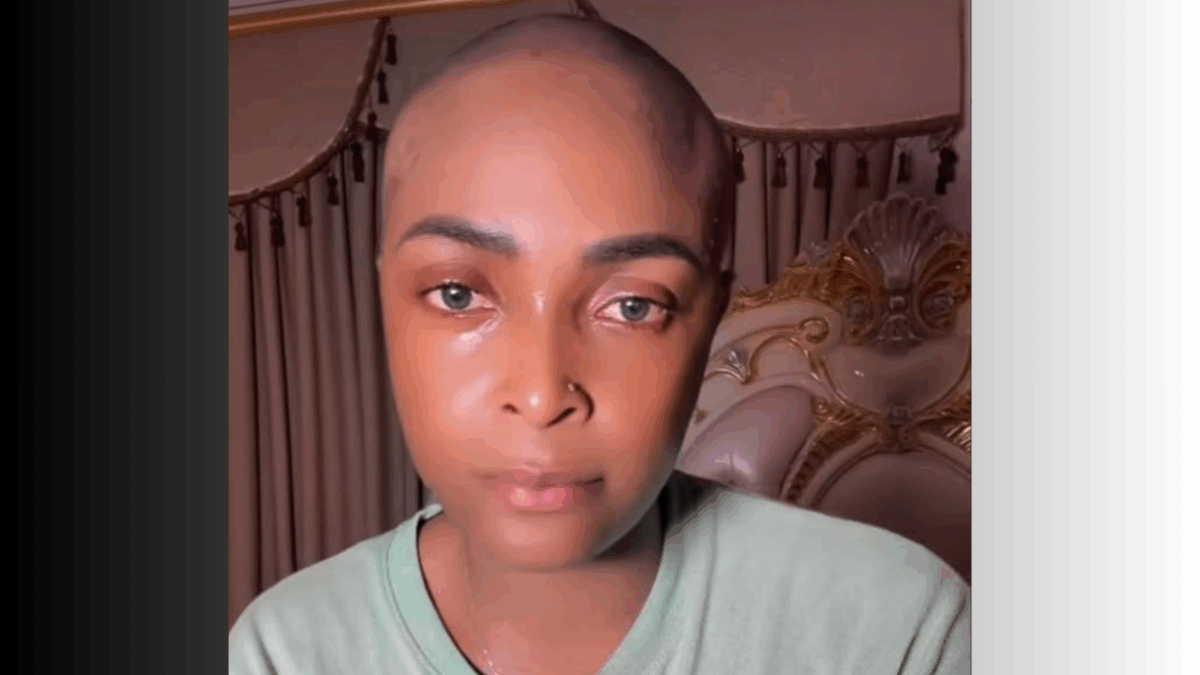
Instead, according to reports, she later described the episode as a “miscommunication” and pushed back against parts of the allegations. That distinction matters. At this stage, the legally safest and most accurate framing is that she is facing serious public accusations after making a cancer claim that has since been heavily disputed, not that any criminal liability has already been proven.
Even so, the damage to her public image has been severe.
What began as a story of illness and vulnerability quickly turned into a national conversation about truth, influence, and the dangers of emotional fundraising in the social media age. Critics, including outspoken online commentator VeryDarkMan, helped drive that conversation by amplifying doubts and pressing for public accountability.
By early April, the controversy had reached a point where legal exposure was being openly debated in the media. Reports also suggested that while the Economic and Financial Crimes Commission had faced public pressure to step in, no formal prosecution had been announced at that stage.
That legal gray zone has only made the story more gripping.
Because even without a final ruling, the outline of the scandal is already dramatic enough to hold the country’s attention: a viral cancer claim, a flood of public sympathy, donations from supporters, allegations of a borrowed and altered medical report, and a furious backlash from a public that now wants to know what was real from the start.
That is why this controversy has traveled so far and so fast.
It is not just about one influencer. It is about what happens when public compassion meets a story that may not be what it first appeared to be. It is about the cost of shattered trust.
And perhaps most painfully, it is about the possibility that genuine cancer patients may now face more skepticism the next time they ask for help because a high-profile case has made people more suspicious.
In the end, that may be the deepest wound this scandal leaves behind.