
12 Foods You Should Never Eat After the Expiration Date
This post may contain affiliate links.
Food dates confuse a lot of people because they do not all mean the same thing. In the United States, “Best if Used By” is generally a quality date, not an automatic safety cutoff. The Food and Drug Administration and the U.S. Department of Agriculture have both said that this label usually tells us when flavor or texture may start to decline, not the exact moment a food becomes dangerous.
That said, some foods are not worth gambling on. Moist, protein-rich, ready-to-eat, and highly perishable foods can turn risky fast, even inside the fridge. And storage matters just as much as the printed date. Federal guidance says perishable foods should be refrigerated within 2 hours, or within 1 hour if temperatures rise above 90 degrees Fahrenheit.
Here are 12 foods we should treat with the most caution.
Leftovers
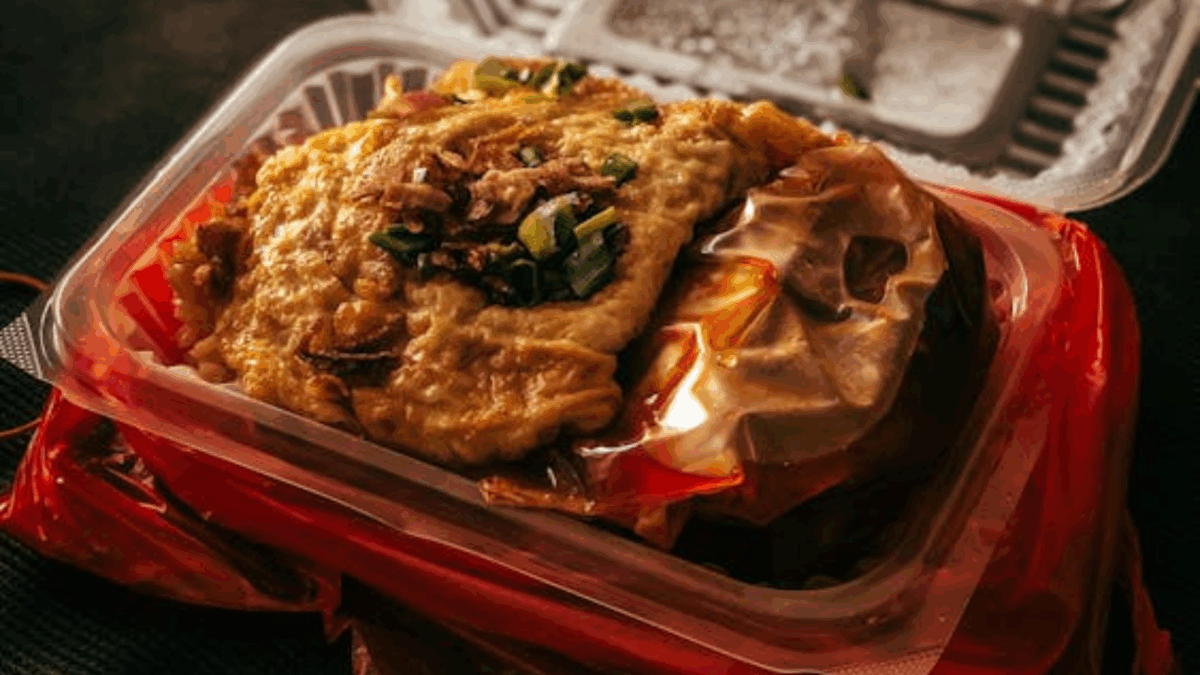
Old leftovers are one of the easiest ways to get burned in the kitchen. The Centers for Disease Control and Prevention says leftovers should be refrigerated quickly and eaten within 3 to 4 days. After that, the risk climbs, especially with mixed dishes like rice bowls, pasta, casseroles, meat plates, and takeout meals.
Once leftovers start pushing past that window, the smart move is to toss them. Never taste food just to see if it is still safe.
Deli Meat
Deli meat is far riskier than it looks. It is moist, ready to eat, and handled often after opening. The Food and Drug Administration warns that Listeria monocytogenes can grow even at refrigerator temperatures, and deli meats are among the refrigerated ready-to-eat foods linked to listeria risk.
If deli meat is past date, smells sour, feels slimy, or looks off-color, it belongs in the trash, not on a sandwich.
Infant Formula
Infant formula is the clearest no-exceptions category. The Food and Drug Administration requires a “Use By” date on infant formula and says that up to that date, the manufacturer guarantees the nutrient content and quality. After that, there is no good reason to take chances.
This is one product where the printed date should be treated as a hard stop.
Raw Fish

Raw fish spoils fast and does not leave much room for guessing. The U.S. Department of Agriculture says raw fish and shellfish should be kept in the refrigerator at 40 degrees Fahrenheit or less for only 1 to 2 days before cooking or freezing.
If the fish smells overly strong, turns mushy, or feels dry and tired, do not try to save it. Seafood freshness is a safety issue, not just a taste issue.
Soft Cheese
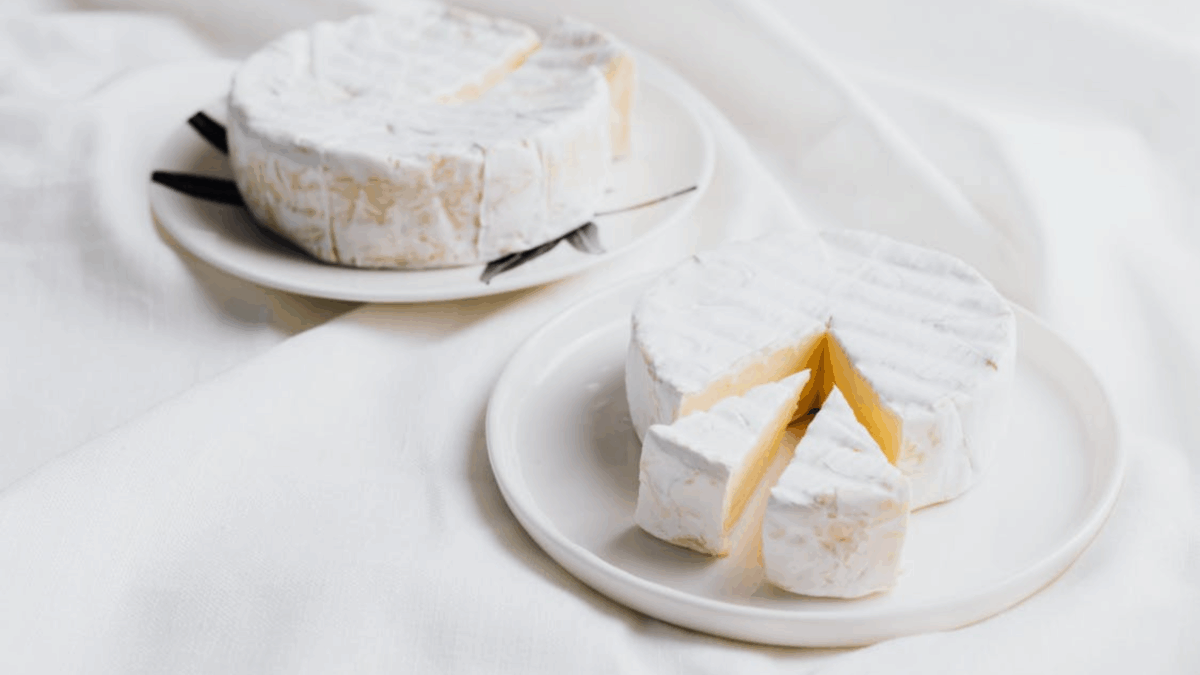
Soft cheese is another food that should not get the benefit of the doubt. Once mold appears on soft cheeses like cream cheese, ricotta, cottage cheese, or goat cheese, the safest move is to throw the whole thing away. Mold can spread below the surface, and what we see is often only part of the problem. High-risk foods like soft cheeses have also been linked to foodborne illness concerns, including listeria in some cases.
Cutting off one bad corner is not enough here.
Raw Meat and Poultry
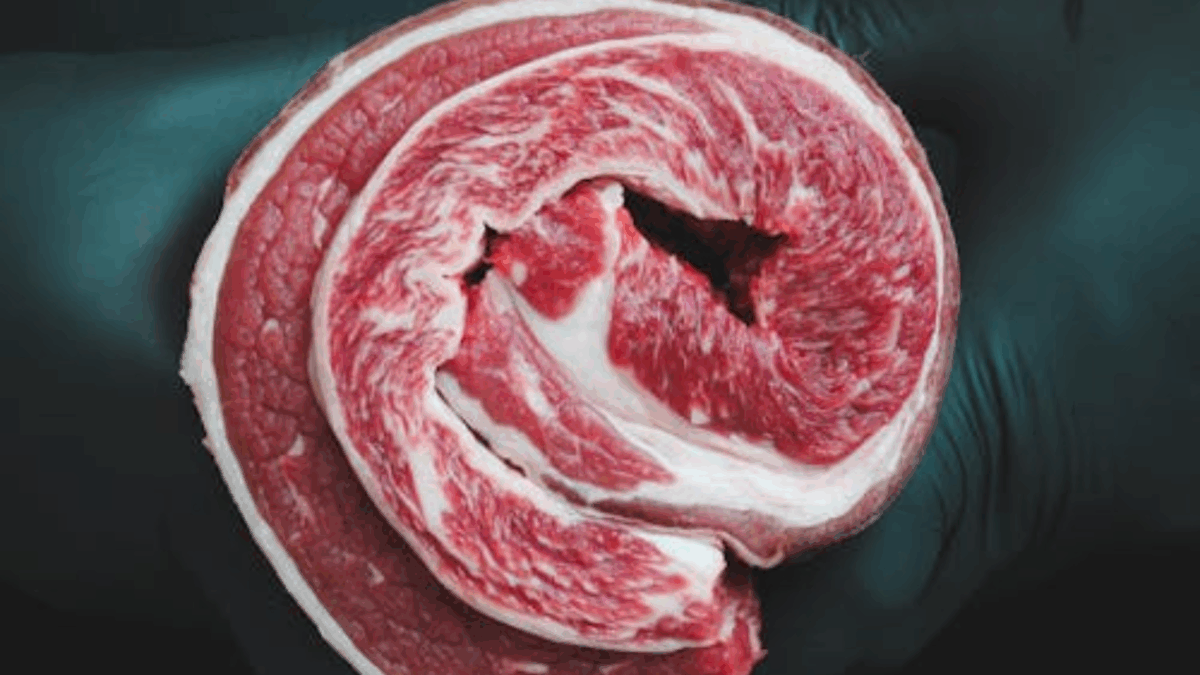
Raw meat and poultry are not forgiving foods. The USDA says ground meat, poultry, and fish generally keep only 1 to 2 days in the refrigerator, while other fresh red meats may last 3 to 5 days under proper refrigeration.
If the package is past its date and the meat smells sour, feels sticky, or shows strange discoloration, it is time to let it go. Cooking cannot undo spoilage.
Eggs
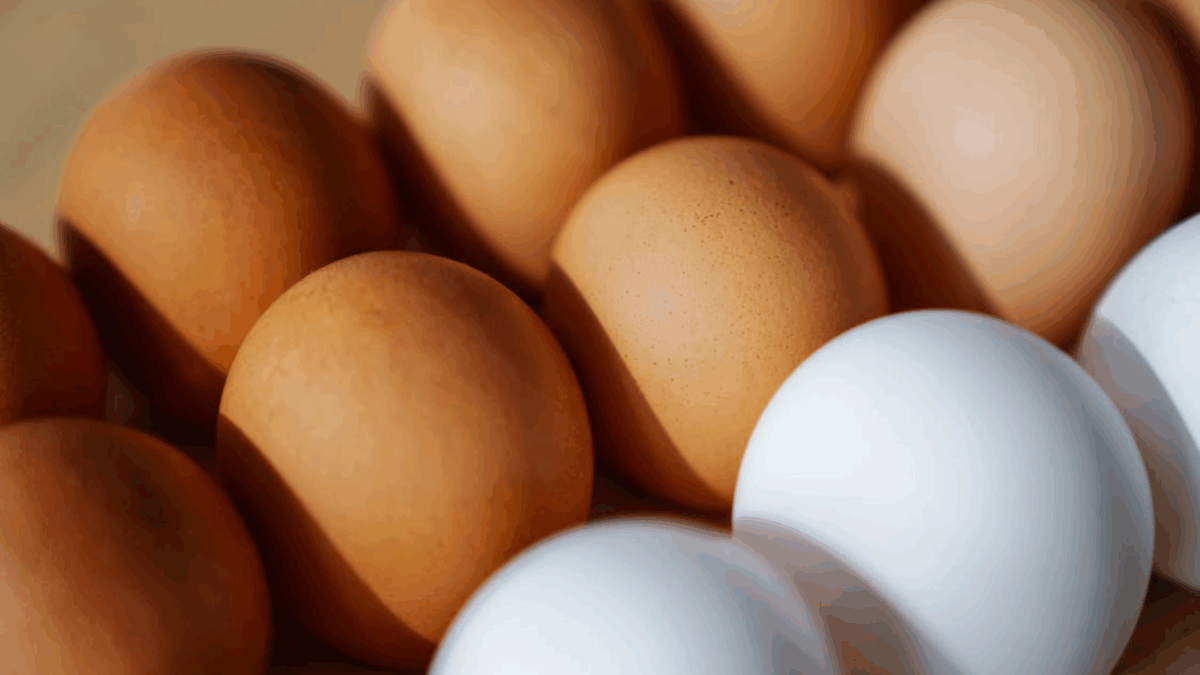
Eggs often last longer than many people think, but they still need respect. The FDA says eggs should be stored in their original carton at 40 degrees Fahrenheit or below and used within 3 weeks for best quality. USDA guidance says refrigerated shell eggs can last about 3 to 5 weeks from the day they are placed in the fridge.
If an egg smells bad when cracked, that is the end of the conversation. Throw it out immediately.
Leafy Greens
Leafy greens can go downhill quickly because they trap moisture and bruise easily. Once spinach, lettuce, kale, or spring mix turns slimy, soggy, foul-smelling, or visibly decayed, it should not be eaten. The FDA advises consumers to avoid foods that show noticeable changes in color, consistency, or texture.
Wilted greens can sometimes still be cooked. Slimy greens are a different story.
Soft Fruit
Strawberries, raspberries, blackberries, and cut fruit are terrible candidates for “just cut off the bad part.” Their soft flesh and high moisture allow mold and spoilage to spread fast. If one berry in the container is fuzzy, the nearby ones may already be compromised. CDC guidance also classifies cut fruit as perishable food that should be refrigerated promptly.
Freezing fruit before it spoils is smart. Trying to rescue moldy berries is not.
Nuts
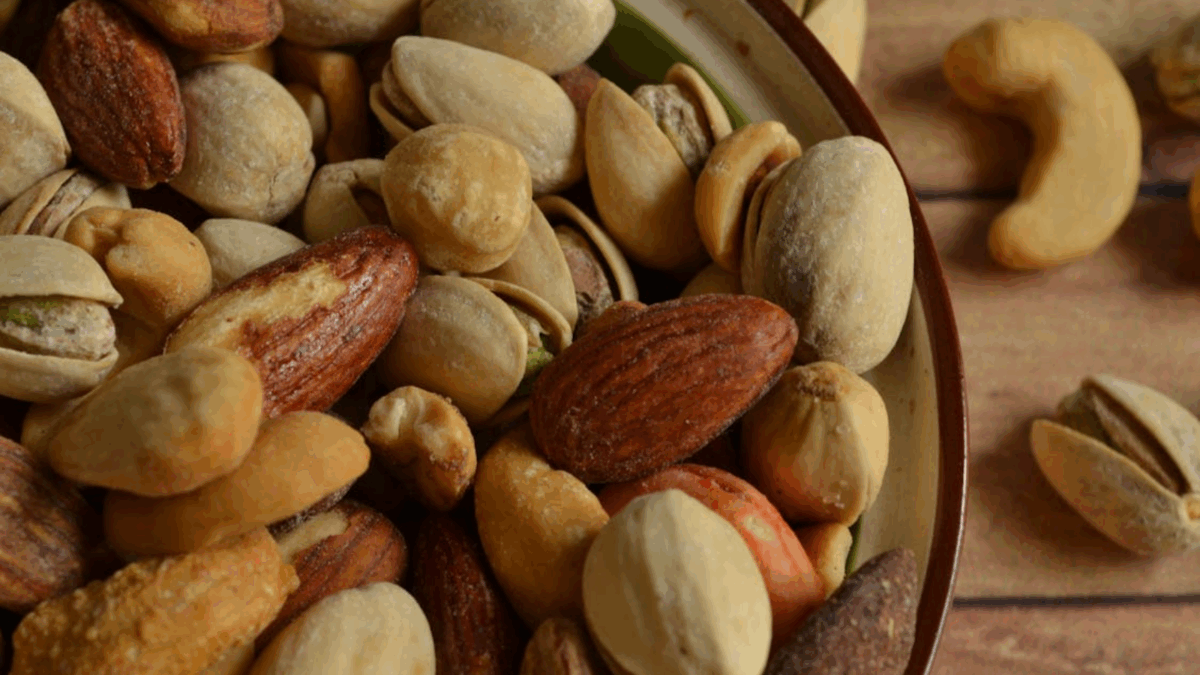
Nuts follow the same rancidity problem as oils because they are rich in natural fats. Old nuts may smell odd, taste bitter, or leave that unmistakably stale aftertaste. They may not be a classic food poisoning headline, but they are still a bad kitchen bet once freshness is gone.
When nuts taste sour or unpleasantly sharp, toss them!
Ready-to-Eat Salads
Store-bought or deli-style salads like chicken salad, egg salad, tuna salad, and pasta salad deserve real caution. They are moist, protein-heavy, often mayonnaise-based, and built for bacterial growth if they sit too long. They should be treated with the same seriousness as other refrigerated ready-to-eat foods and leftovers.
Federal guidance on quick refrigeration and the 3-to-4-day leftover window applies here, too. If a prepared salad has expired, has been sitting out, or looks watery and off, it is not worth the risk.
Ground Spices
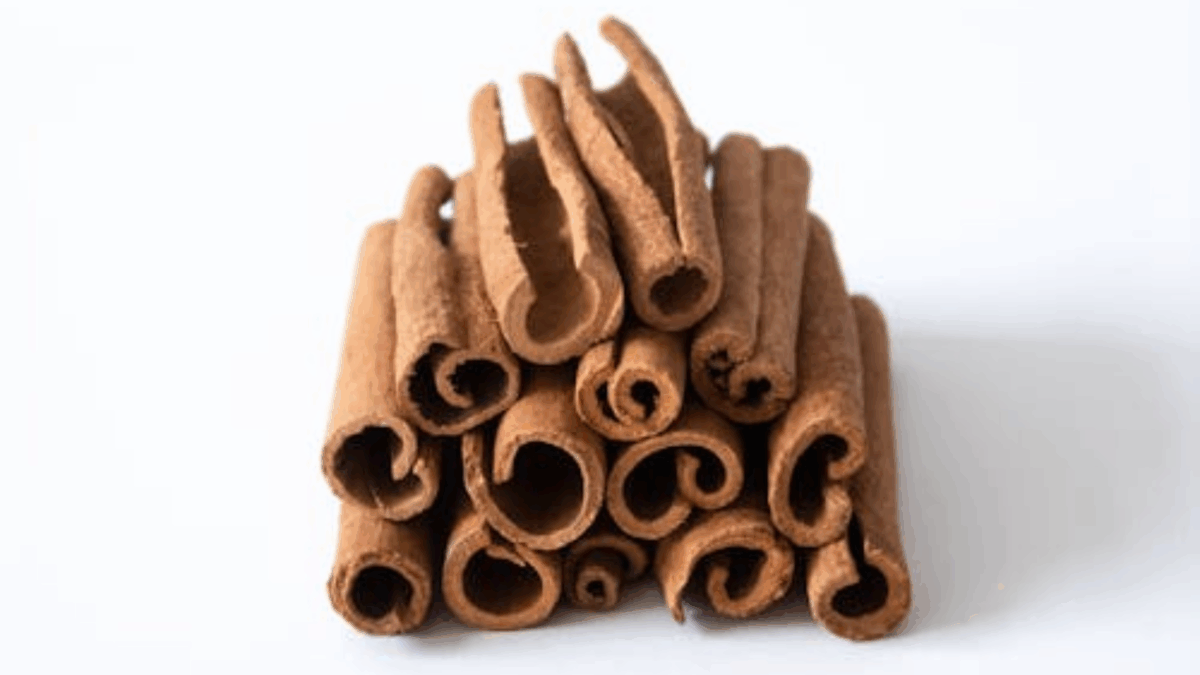
Ground spices are different from the other foods on this list. Most old spices are more of a quality problem than a safety crisis. If paprika, cumin, garlic powder, or cinnamon lose their aroma, they won’t season food well. This fits the broader FDA point that many date labels are about quality first.
So no, most stale spices will not wreck your day. They will just wreck your recipe.
The Bottom Line
Not every date label means a food turns dangerous overnight, but some foods are too risky to second-guess. Infant formula, deli meat, raw fish, soft cheese, old leftovers, and questionable meat should never be pushed past their safe window.
Dry pantry staples may last beyond a quality date if they were stored properly and show no signs of spoilage. Perishable foods are different. If the smell, texture, color, storage history, or date gives you pause, throw it out.


