10 Everyday Foods That Could Be Toxic or Even Deadly
We often eat familiar foods without a second thought, unaware that some everyday favorites can hide surprising dangers. Some of these common staples could even be deadly.
Here are 10 foods you might want to approach with extra caution.
Cinnamon

Cinnamon is a kitchen favorite, but the cassia type found in most stores hides a secret; it contains coumarin, which can be harmful if you overindulge.
Too much cinnamon over time may raise your risk of liver damage or even cancer. To stay safe, sprinkle cinnamon sparingly, especially if you have liver issues.
For peace of mind, choose Ceylon cinnamon, which has much less coumarin.
Potatoes
Potatoes are a staple on many tables, but they can turn dangerous if they start to turn green.
That green tint signals solanine, a toxin that can bring on nausea, headaches, and stomach troubles. Always toss out green spots and avoid potatoes that taste bitter after peeling.
A quick inspection before cooking can keep your meal safe.
Nutmeg
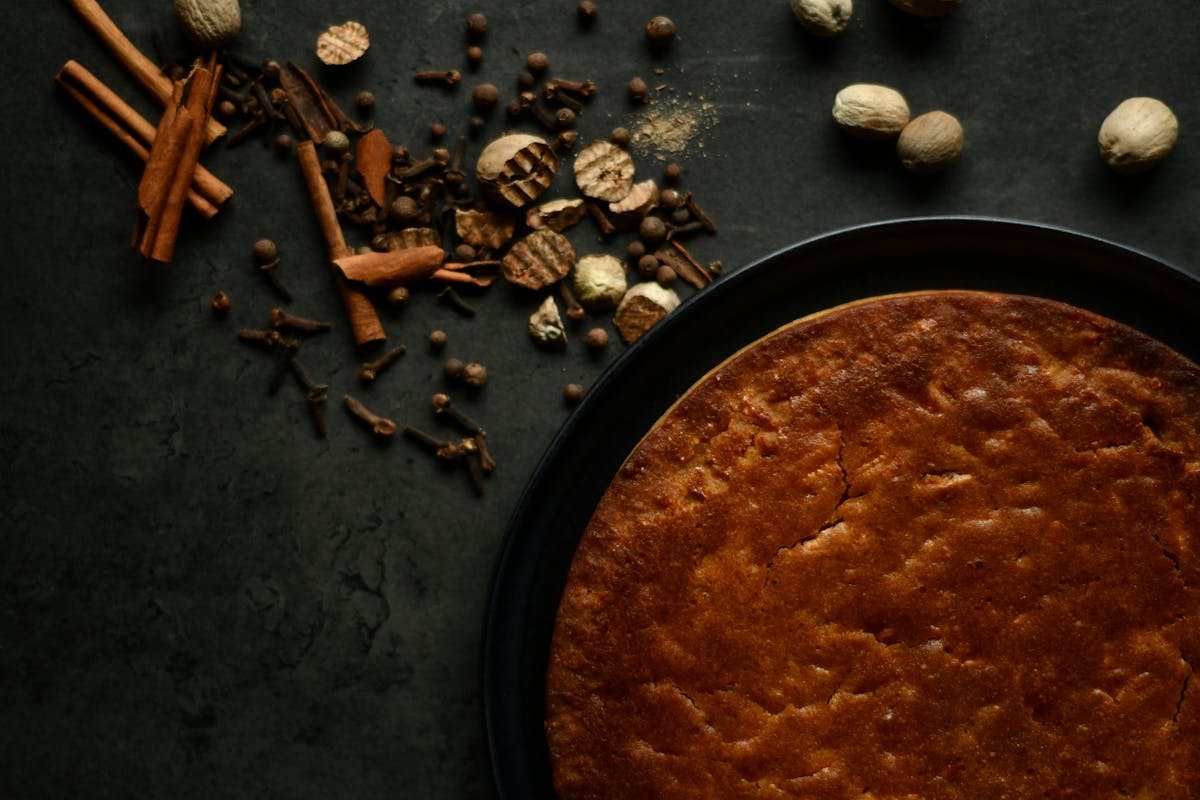
Nutmeg adds warmth to baked goods, but it hides a dangerous side. Packed with myristicin, nutmeg can become toxic if you eat too much.
Overdoing it can trigger hallucinations, delirium, or even knock you unconscious. While a pinch is safe, using nutmeg in excess, especially in large amounts, can have serious consequences.
Always use nutmeg with care.
Sweet Potatoes
Sweet potatoes have a healthy reputation, but moldy ones can be hazardous. Mold on sweet potatoes can create toxins that damage the liver.
Initially, researchers identified the risk in animals, but it also poses a threat to humans. Always inspect sweet potatoes for mold and throw out any that look suspicious.
Cassava
Cassava is a staple in many cuisines, but it hides a risky secret: linamarin, which can turn into deadly cyanide if not cooked right.
Though rare, cyanide poisoning from cassava can be fatal. Always cook cassava thoroughly to make it safe and nourishing.
Mushrooms
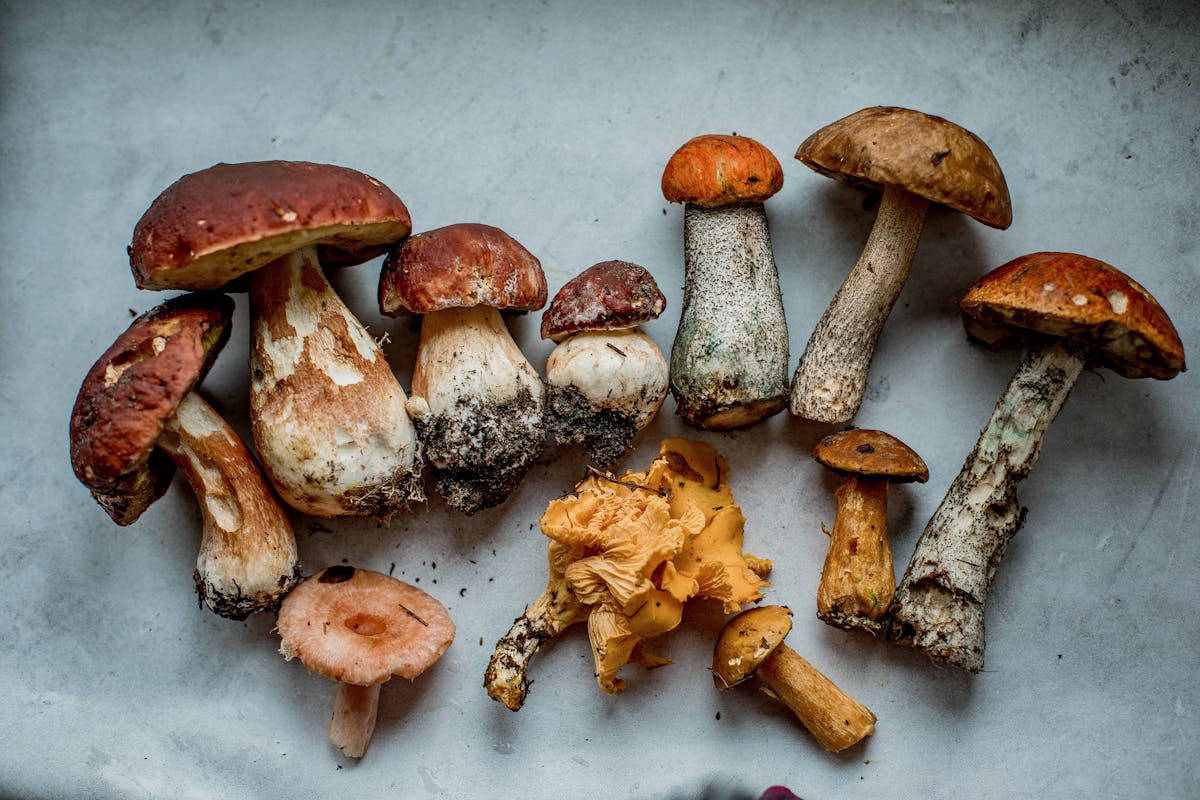
Mushrooms are a tasty treat, but if stored or canned incorrectly, they can become dangerous. Botulinum toxin, produced by bacteria, can persist in moldy or damaged packages and cause muscle paralysis or breathing difficulties.
Stick to fresh mushrooms and skip any that look questionable to avoid botulism.
Mangoes
Mangoes are a sweet favorite, but their skin contains urushiol, the same irritant found in poison ivy.
For those sensitive to it, mangoes can trigger rashes, swelling, or even severe allergic reactions. If you react to poison ivy, avoid mango skin or wear gloves when peeling.
Alfalfa Sprouts
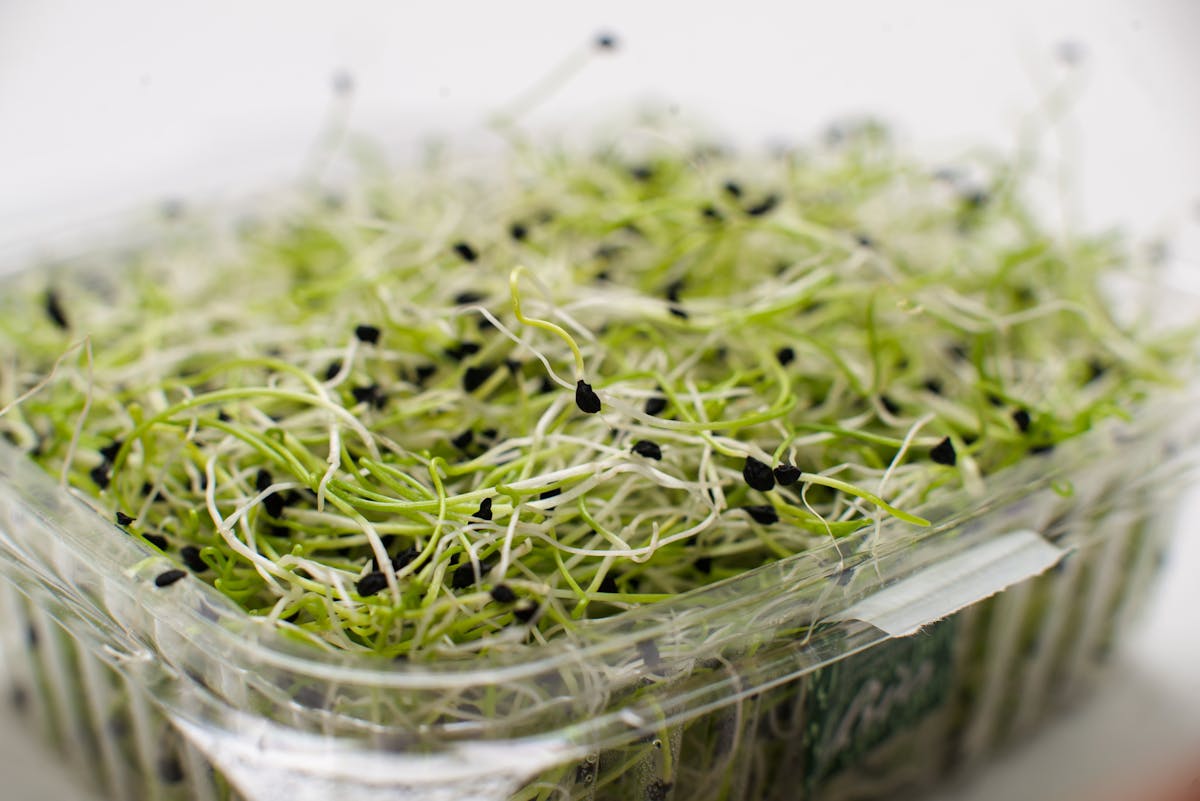
Alfalfa sprouts may look healthy on your salad, but they can harbor E. coli and contain L-canavanine, a toxin that can be risky for people with autoimmune issues.
Raw sprouts can pose serious problems if your immune system is compromised. Wash or cook them well, especially if you have health concerns.
Red Kidney Beans
Red kidney beans are a popular ingredient in many recipes, but consuming raw or undercooked beans can lead to food poisoning due to the presence of phytohemagglutinin, a toxin.
Just a few undercooked beans can bring on nausea, vomiting, and diarrhea. Always soak and cook them thoroughly to stay safe.
Quail
Quail might be a gourmet treat, but they can harbor a hidden threat called “coturnism.” These birds sometimes eat toxic plants like hemlock, which does not harm them but can be dangerous for us.
Eating contaminated quail can cause muscle pain, vomiting, or even severe nerve damage.
To stay safe, avoid quail during migration seasons when they are more likely to have eaten toxic plants.
These foods, though common in our diets, carry risks that many people may not be aware of. By being mindful of how even the most familiar foods can hide unexpected dangers.
By paying attention to how we prepare and eat them, we can avoid serious health risks. Make food safety a habit to protect yourself and those you love.