10 Vegetables You Won’t Find on My Plate—And Why I Skip Them Every Time
We’ve all been there,sitting at the dinner table, eyeing that one dish loaded with vegetables you’d rather not touch. For some, it’s the texture; for others, the taste. While vegetables are undeniably packed with nutrients, there are certain ones I can’t bring myself to eat.
Whether it’s because of their overpowering flavor, unpleasant texture, or just a bad experience in the past, here’s a list of 10 vegetables you won’t find on my plate, along with the reasons I skip them every time.
Brussels Sprouts

Brussels sprouts are often touted as a superfood, but they are one vegetable that I just can’t get behind. While I appreciate their health benefits, the bitter aftertaste makes them hard to enjoy. No amount of seasoning or cooking method, whether roasted, sautéed, or steamed, seems to mask that unmistakable bitterness.
I’ve tried them in every form imaginable, but my taste buds just can’t come to terms with them. The small cabbage-like leaves look innocent enough, but I can’t escape the feeling that I’m chewing on something too unpleasant to swallow.
Eggplant
Eggplant is another vegetable I refuse to eat. The texture is the main issue for me. When cooked, it becomes spongy and absorbs way too much oil, leaving a mushy mess that I simply can’t handle. Not to mention, its flavor often feels bland, even with the right spices.
I’ve tried it in Mediterranean dishes, stir-fries, and even fried, but I can never get past the way it squishes in my mouth. Maybe it’s the thought of a rubbery texture that puts me off, but whatever the reason, eggplant and I just don’t get along.
Beets
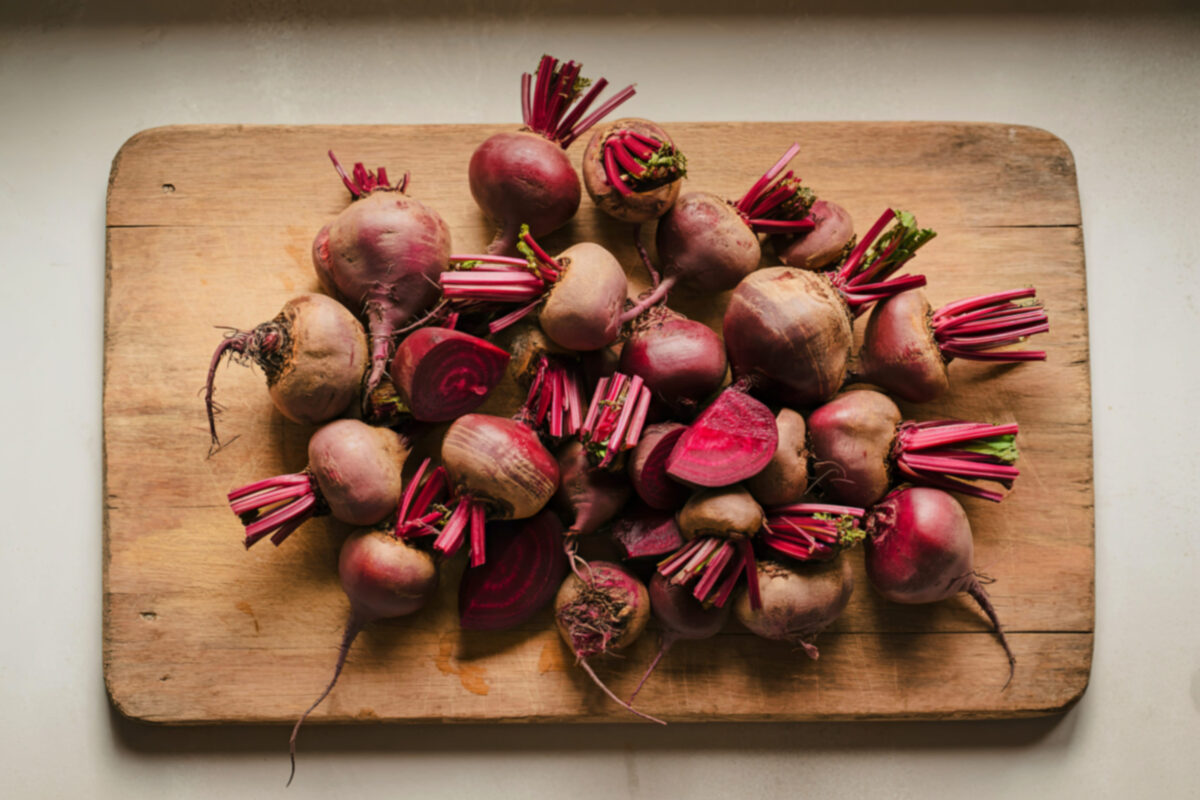
Beets are another vegetable that I can’t bring myself to love. The earthy taste is so overpowering that it dominates the entire dish. I’ve heard people rave about their sweetness and health benefits, but for me, the flavor is just too intense.
Whether roasted, boiled, or juiced, beets always seem to take over every other flavor on the plate. It’s not that I dislike the idea of beets; after all, they’re packed with antioxidants and fiber—but the taste is something my taste buds can’t handle.
Okra
Okra may be a staple in Southern cooking, but for me, its slimy texture makes it a no-go. No matter how it’s cooked, whether in gumbo or fried, okra retains that unpleasant, mucilaginous texture that makes me gag.
The sliminess is just too much for me to get over, no matter how much I try to appreciate the vegetable. While many swear by its versatility and health benefits, I simply can’t bring myself to enjoy okra. If it’s on the menu, I’ll gladly pass.
Kale
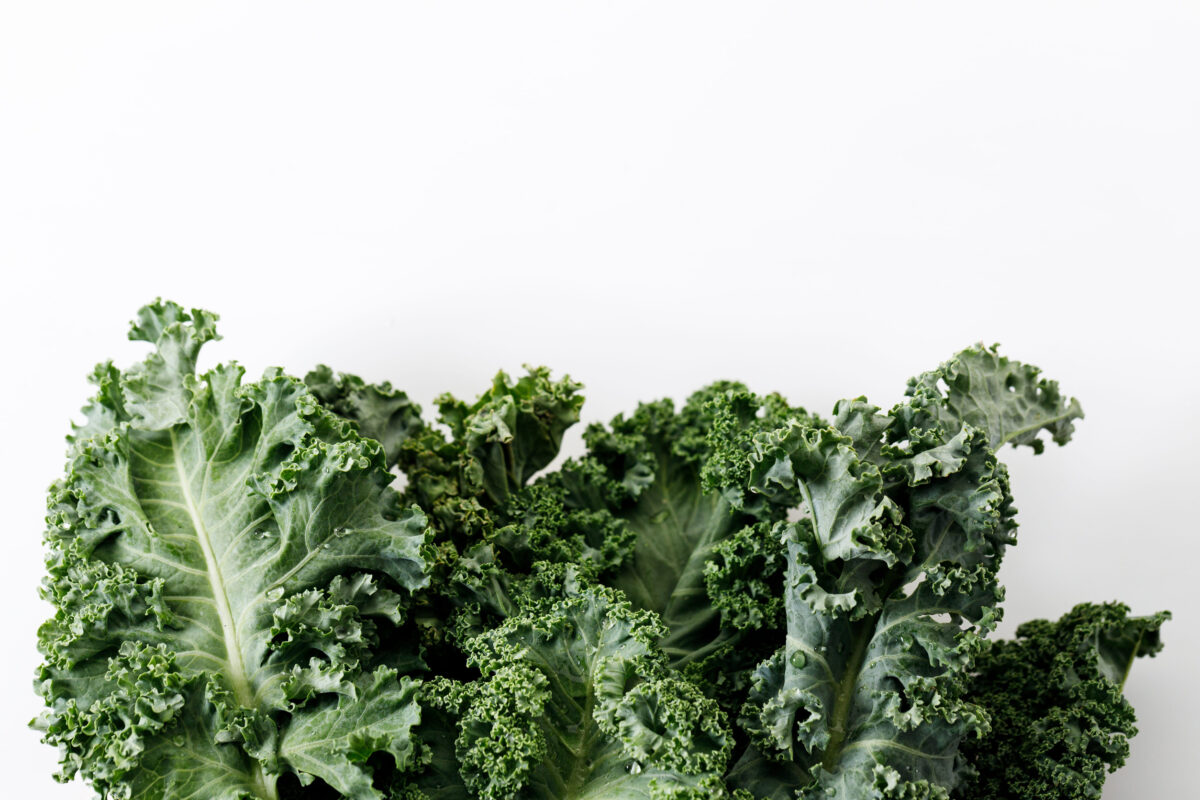
Kale has become a trendy superfood, but I prefer to avoid it. While I love its nutritional profile, its tough leaves make it difficult to enjoy. Even when chopped finely or massaged with olive oil, kale still feels like it’s fighting back against every bite.
The bitterness is also hard to ignore, and no amount of seasoning or dressing can completely mask that sharp, grassy taste. For all the health benefits it’s supposed to offer, I just can’t get past the texture and flavor of kale.
Cabbage
Cabbage is one of those vegetables that I simply can’t handle, especially when it’s cooked. Whether it’s in a stir-fry, coleslaw, or sauerkraut, cabbage has a distinct odor that I find overpowering.
When boiled or steamed, cabbage releases a sulfuric smell that lingers long after the dish is prepared. I’m not fond of the smell, and the texture doesn’t do it any favors either; it’s too crunchy and often feels too dense in my mouth. I’ve tried to enjoy cabbage in various dishes, but it’s always a struggle.
Spinach
Spinach is a vegetable I can tolerate in small amounts, but I don’t actively seek it out. When cooked, spinach loses its bright green color and becomes a soggy mess, more about texture than flavor. Even fresh spinach in salads doesn’t do much for me,it’s a bit bland and lacks the punch I want from my vegetables.
Though it’s packed with iron and other nutrients, spinach is often a background player on my plate, and it’s a vegetable I can easily do without. I prefer vegetables with more flavor and a better texture that don’t shrink into a mush when cooked.
Peas
Peas are one of those vegetables that I simply can’t stand, and it goes back to my childhood. I remember sitting at the dinner table, trying to force them down, but never succeeding.
The texture of peas, particularly the soft, squishy center, was a major turn-off. I’ve tried frozen peas, fresh peas, and even pea soup, but I can’t shake the memories of their mushy texture. Even if I’m hungry, I can’t bring myself to enjoy them. As an adult, I avoid peas at all costs, preferring to fill my plate with vegetables that actually excite me.
Asparagus
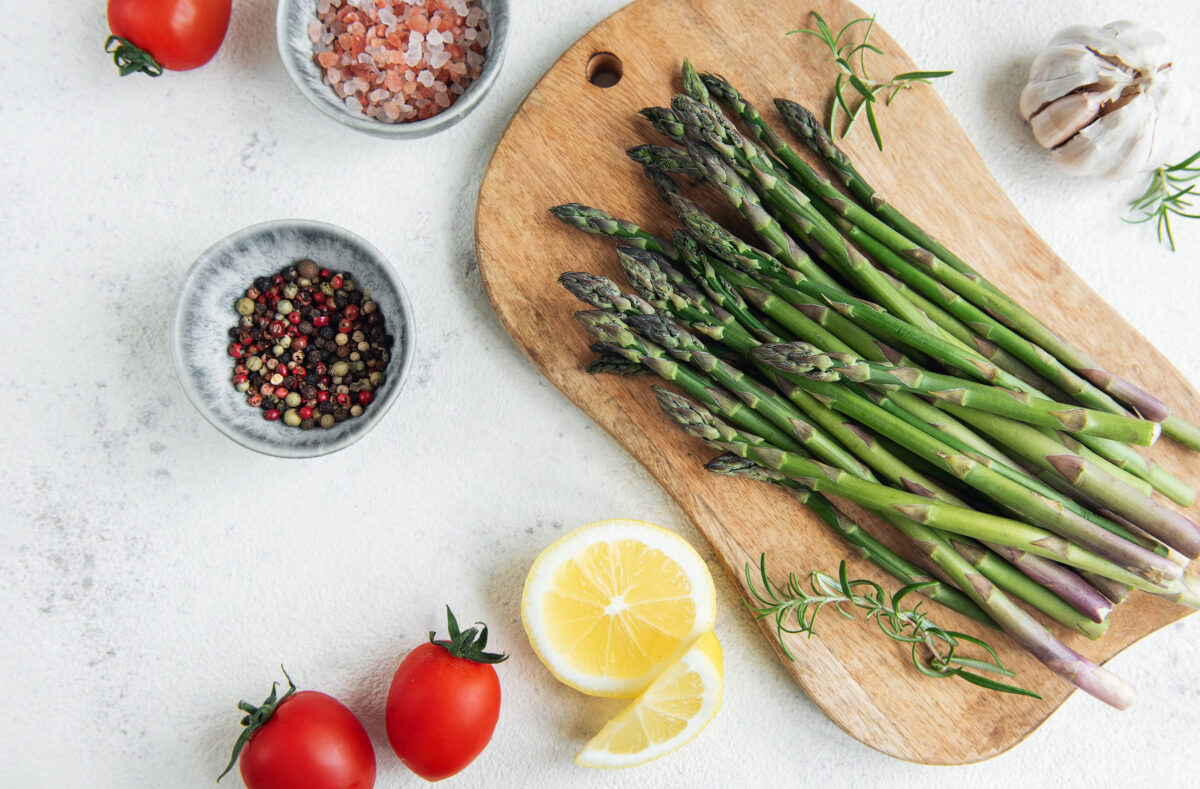
While many people rave about the delicate flavor of asparagus, it’s a vegetable I skip every time. The stringy texture is my biggest issue,especially when it’s not cooked properly. If asparagus is overcooked, it becomes mushy and unpleasant, and if it’s undercooked, it’s tough to chew and often fibrous.
The taste isn’t bad, but it doesn’t justify the trouble of navigating its texture. Even when roasted with olive oil and seasoning, asparagus just doesn’t make it onto my plate.
Fennel
Fennel has a flavor that’s difficult to describe; some say it’s sweet, others say it’s licorice-like. Either way, it’s a flavor I simply can’t get on board with. I’ve tried fennel in salads, soups, and even roasted, but its taste always seems to overpower the rest of the dish.
The licorice undertones are too much for me to stomach, and I often find myself picking them out of dishes. While fennel has its place in certain cuisines, it’s not something I can bring myself to enjoy, no matter how it’s prepared.
Conclusion
The vegetables listed here may be staples for many people, but for me, they just don’t make the cut. While each of these vegetables offers its own unique set of health benefits, such as vitamins, minerals, and antioxidants, my personal preferences, combined with texture and flavor issues, make them easy to skip. It’s important to remember that everyone’s dietary preferences are different, and just because a vegetable is considered a “superfood” doesn’t mean it works for everyone.
In the end, my choice to avoid these vegetables is not a matter of rejecting their nutritional value but rather about what works for my body and taste buds. There are plenty of other vegetables that I enjoy and that provide me with the nutrients I need to maintain a healthy, balanced diet. So, while these vegetables may be on someone else’s plate, you won’t find them on mine anytime soon.