The Worst Canned Foods You Can Buy
Canned foods are often seen as a quick and convenient solution for busy households. Whether it’s for a last-minute dinner, a snack, or as a backup plan when fresh food isn’t available, these items have become essential in many kitchens.
However, not all canned foods are created equal. While some might seem like a good option, others could be doing more harm than good to your health and taste buds. In this article, we will explore the worst canned foods you can buy and expose the hidden dangers that come with these pantry staples.
Canned Soup
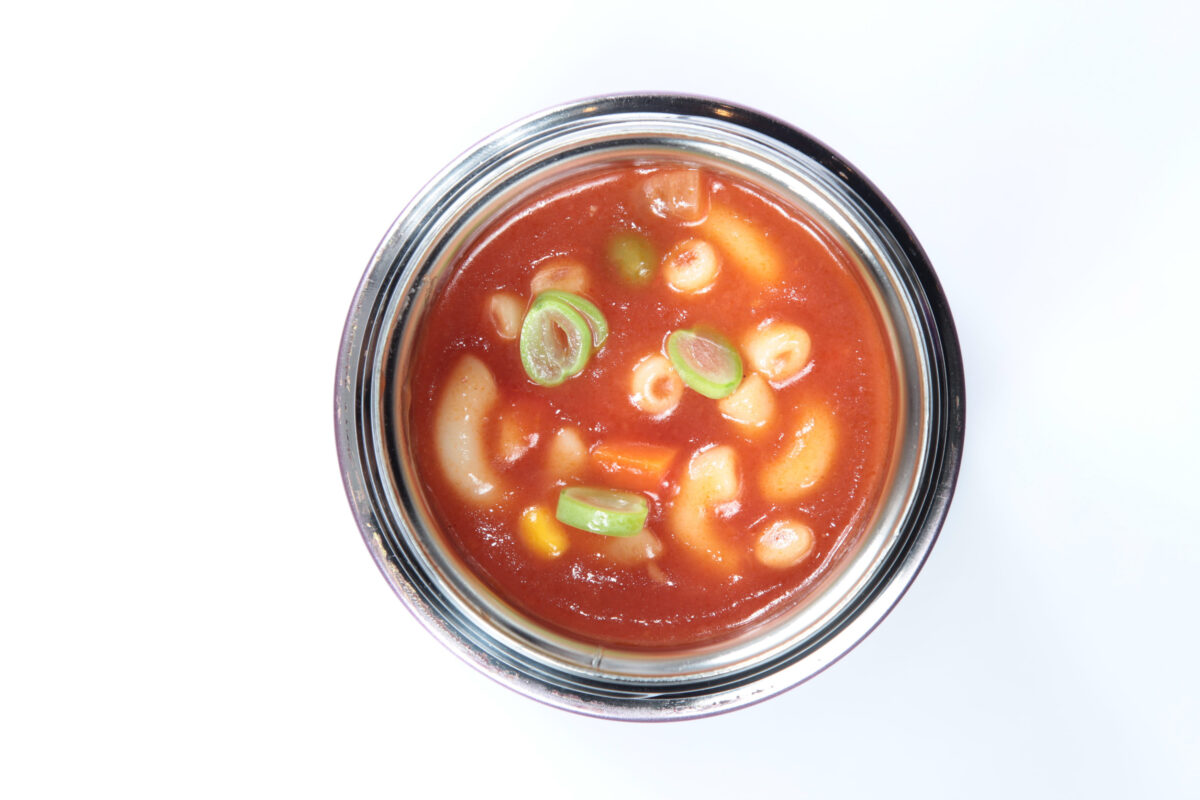
Canned soups might seem like a comforting option for a quick meal, but they’re often packed with more sodium than you might realize. A single can of soup can contain up to 800 milligrams of sodium, and some varieties can have even more.
The American Heart Association recommends no more than 2,300 milligrams of sodium per day, with an ideal limit of 1,500 milligrams for most adults. This means just one serving of canned soup can put you at risk of exceeding your daily sodium limit, contributing to high blood pressure, and increasing the risk of heart disease.
But the problems don’t stop with sodium. Many canned soups also contain artificial preservatives, colorants, and flavor enhancers like MSG, which can make them less nutritious than homemade alternatives. If you’re craving soup, consider making your own from fresh ingredients or looking for low-sodium options.
Canned Pasta
For anyone who’s ever grabbed a quick meal at the grocery store, canned pasta is often a tempting choice. It’s fast, easy, and seemingly harmless,after all, pasta is just pasta, right? Unfortunately, many canned pasta options are far from healthy.
Canned pasta dishes, such as ravioli or spaghetti, are typically filled with preservatives and unhealthy fats that do more harm than good. The pasta itself might be fine, but the sauce and meat fillings often contain questionable ingredients, such as artificial colors, added sugars, and unhealthy oils. In some cases, the ingredients list may include refined flour, which offers very little nutritional value.
Additionally, like canned soups, canned pasta is usually high in sodium, which further increases the risk of high blood pressure and other health issues. It’s best to pass on canned pasta and opt for whole-grain pasta with homemade sauce, which is both healthier and more flavorful.
Canned Chili
Canned chili is often seen as a go-to for a hearty, filling meal, especially in colder months. However, many canned chili options are high in unhealthy fats, contain high levels of sodium, and include artificial additives. The primary issue is the large amounts of processed meat used in canned chili, which often include fatty cuts of beef or pork. This not only makes the chili greasy but also significantly increases the calorie count.
Moreover, some canned chili varieties contain added sugars and preservatives, turning what should be a nutritious meal into a sodium-laden, high-fat disaster. Instead of reaching for a can of chili, try making your own with lean protein like ground turkey, fresh beans, and a variety of vegetables. You’ll not only cut down on fat and sodium but also enjoy a more nutritious and satisfying meal.
Canned Fruit
Canned fruit might seem like a healthy snack, especially when compared to processed sweets. However, many canned fruits are loaded with added sugars and syrup, making them little more than sugary desserts in disguise. For instance, canned peaches and pears are often preserved in syrup, which contains high amounts of refined sugar, contributing to a skyrocketing calorie count.
While fresh fruit offers vital vitamins and fiber, canned fruit often lacks these benefits due to processing. The excessive sugar also contributes to health problems like weight gain, increased blood sugar, and an increased risk of diabetes. If you’re craving fruit, go for fresh or frozen options without added sugar, or choose fruit preserved in its own natural juice.
Canned Meat
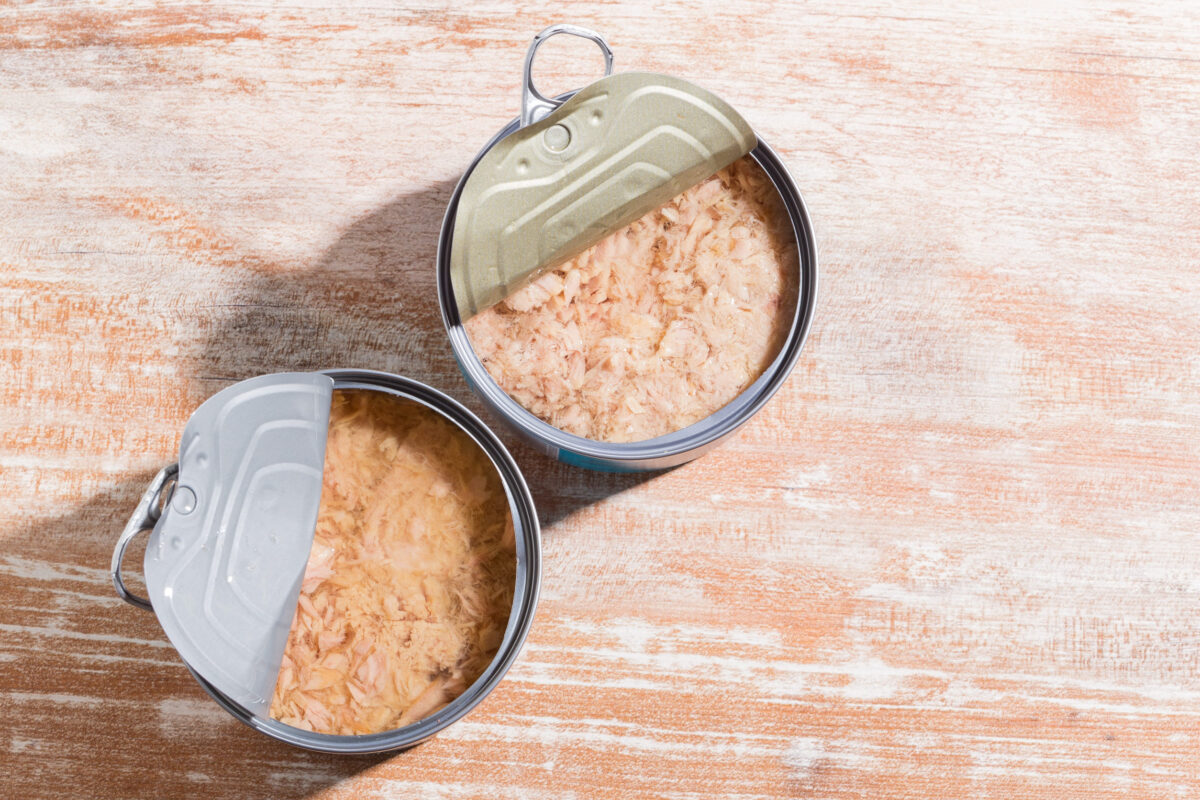
Canned meat might seem like a simple way to get protein into your diet, but it’s often far from the best option. Many canned meats, such as chicken, beef, and tuna, are packed with preservatives, unhealthy fats, and excessive sodium. The canning process itself often leads to nutrient loss, leaving the meat with little value beyond its convenience.
Furthermore, many canned meats contain higher levels of saturated fats, which can raise cholesterol levels and increase the risk of heart disease. Some canned tuna, for instance, may also be contaminated with mercury, which can pose serious risks to your health, especially for pregnant women and young children.
While canned meat might be convenient, it’s better to opt for fresh, lean proteins such as chicken breast, fish, or beans, which offer far more nutritional value without the excess sodium and preservatives.
Canned Veggies
Canned vegetables may seem like a quick way to add some greens to your meal, but they’re often disappointing in terms of both flavor and nutrition. While fresh vegetables are packed with essential vitamins, minerals, and antioxidants, canned veggies tend to lose a significant portion of these nutrients during the canning process. Additionally, many canned vegetables are packed with sodium as a preservative, further reducing their nutritional value.
While canned corn or green beans may seem like an easy option, they often offer little in terms of health benefits. Instead of reaching for canned veggies, opt for frozen vegetables or fresh produce. Frozen vegetables are often just as nutritious as fresh ones, and they’re free from the preservatives and added salt found in their canned counterparts.
Canned Vegetables in Oil
Some canned vegetables, such as olives, artichokes, or peppers, are preserved in oil. While oil might make these vegetables more palatable, it also adds unnecessary fats and calories to your diet. Many of these oils are highly processed, which adds to the product’s unhealthiness. Moreover, oil-preserved vegetables are often high in sodium, making them far from a healthy choice.
To keep your meals healthy, opt for vegetables that are packed in water or brine, or choose fresh or frozen vegetables instead. You’ll save yourself from unnecessary fats and sodium, all while still getting the flavor and texture you crave.
Canned Sweet Potatoes
Sweet potatoes are packed with nutrients, including vitamin A, fiber, and potassium. However, canned sweet potatoes are often drenched in sugary syrup, making them far less healthy than their fresh counterparts. In fact, many canned sweet potato varieties contain added sugar, which turns a naturally healthy food into a sugar-laden treat.
For a healthier alternative, stick to fresh sweet potatoes, which can be easily baked, roasted, or mashed. This will not only retain the vegetable’s nutritional value but also allow you to control how much sugar or seasoning you add.
Canned Drinks
Canned drinks, especially sodas and sweetened beverages, are some of the worst items you can keep in your pantry. These drinks are filled with added sugars, artificial sweeteners, and chemicals that offer no nutritional benefits. In fact, many canned drinks are simply sugar water with a few flavorings added, which can cause your blood sugar levels to spike, leading to energy crashes and even weight gain.
If you’re thirsty, choose healthier options like water, unsweetened iced tea, or natural fruit juices with no added sugars. These beverages will hydrate you without the added calories and health risks associated with canned sodas and sugary drinks.
conclusion
While canned foods are often convenient and inexpensive, many of them come with serious drawbacks, including high sodium and unhealthy fats, as well as artificial additives and preservatives. If you want to make healthier choices, it’s best to avoid the worst canned foods and focus on fresh, whole foods that offer superior nutritional value. Not only will this benefit your health in the long run, but you’ll also enjoy better flavor and satisfaction from your meals.
If you do need to rely on canned foods, look for options that are low in sodium, preservative-free, and made with simple ingredients. But whenever possible, opt for fresh, frozen, or homemade alternatives to ensure you’re getting the best nutrition from your meals. Your body will thank you.