What You Should Be Eating to Prevent the 5 Most Common Aging Diseases
Aging is inevitable, but the diseases that often accompany it don’t have to be. Thanks to advances in nutrition science, we now know that what you eat can play a significant role in preventing or delaying the onset of many common aging diseases.
From heart disease to cognitive decline, there are foods that can help protect your body and mind as you age. In this article, we will explore the five most common age-related diseases and the foods you should eat to help prevent them.
Heart Disease

Heart disease remains one of the leading causes of death globally, with its prevalence increasing as we age. It’s a silent killer that often sneaks up over time, making early prevention essential. A diet rich in anti-inflammatory foods, healthy fats, and antioxidants can help keep your heart strong and your arteries clear.
- Healthy Fats: Foods rich in omega-3 fatty acids,found in fatty fish like salmon, mackerel, and sardines, can reduce inflammation and improve blood circulation. Nuts, especially walnuts and almonds, as well as seeds like chia and flaxseeds, are excellent plant-based sources of omega-3 fatty acids.
- Fruits and Vegetables: Dark leafy greens like spinach and kale, along with colorful fruits like berries, pomegranates, and citrus fruits, are packed with antioxidants and vitamins that help reduce oxidative stress, a key contributor to heart disease.
- Whole Grains: Oats, brown rice, quinoa, and barley are rich in fiber, which is essential for lowering cholesterol levels. The fiber in these grains also aids digestion, which is crucial for maintaining a healthy weight, another critical factor in heart disease prevention.
Incorporating these foods into your daily meals, while cutting back on processed foods high in trans fats, can help maintain a healthy heart for years to come.
Alzheimer’s Disease
Alzheimer’s disease, a neurodegenerative condition that leads to memory loss and cognitive decline, is another common ailment that becomes more prevalent as we age.
While genetics play a role, lifestyle choices,especially diet,can help reduce the risk or slow the progression of Alzheimer’s.
- Leafy Greens: Studies suggest that a diet rich in leafy green vegetables, like kale, spinach, and collard greens, may be beneficial for brain health. These foods are high in vitamin K, folate, and beta carotene, all of which have been shown to improve cognitive function and may even help prevent the development of Alzheimer’s disease.
- Berries and Antioxidants: Blueberries, strawberries, and other brightly colored fruits are rich in antioxidants, particularly flavonoids, which protect the brain from oxidative damage. These antioxidants help combat free radicals that contribute to neurodegeneration, a hallmark of Alzheimer’s disease.
- Turmeric and Curry: Turmeric, which contains curcumin, is known for its anti-inflammatory properties and its ability to reduce oxidative stress in the brain. Adding turmeric to your diet can help keep your mind sharp and protect against memory loss.
- Omega-3 Fatty Acids: Just as they protect your heart, omega-3s,found in fatty fish and certain plant-based sources, are essential for brain health. Omega-3s have been linked to improved cognitive function and a reduced risk of Alzheimer’s.
These brain-boosting foods, combined with a low-sugar, anti-inflammatory diet, can go a long way in keeping your mind clear as you age.
Type 2 Diabetes

Type 2 diabetes is another prevalent disease that tends to affect people as they age. It occurs when the body becomes resistant to insulin, leading to high blood sugar levels.
Over time, this can damage organs and lead to complications like heart disease, kidney disease, and nerve damage.
- Leafy Greens and Non-Starchy Vegetables: Foods like spinach, broccoli, and cauliflower are low in carbohydrates and high in fiber, which can help regulate blood sugar levels. These foods are also rich in essential vitamins and minerals that support overall health.
- Nuts and Seeds: Almonds, chia seeds, and flaxseeds are great options for managing blood sugar levels. They contain healthy fats and fiber that slow down the absorption of sugar into the bloodstream, preventing blood sugar spikes.
- Whole Grains: Whole grains like quinoa, brown rice, and barley are rich in fiber, which helps regulate blood sugar by slowing digestion. These grains are better alternatives to refined grains like white bread and pasta, which can cause rapid spikes in blood sugar.
- Cinnamon and Vinegar: Studies show that cinnamon can improve insulin sensitivity, which is crucial for controlling blood sugar levels. Apple cider vinegar, when consumed in moderation, may also help lower blood sugar levels after meals.
A diet that is high in fiber and low in refined sugars can go a long way in preventing and managing type 2 diabetes, especially as you age.
Osteoporosis
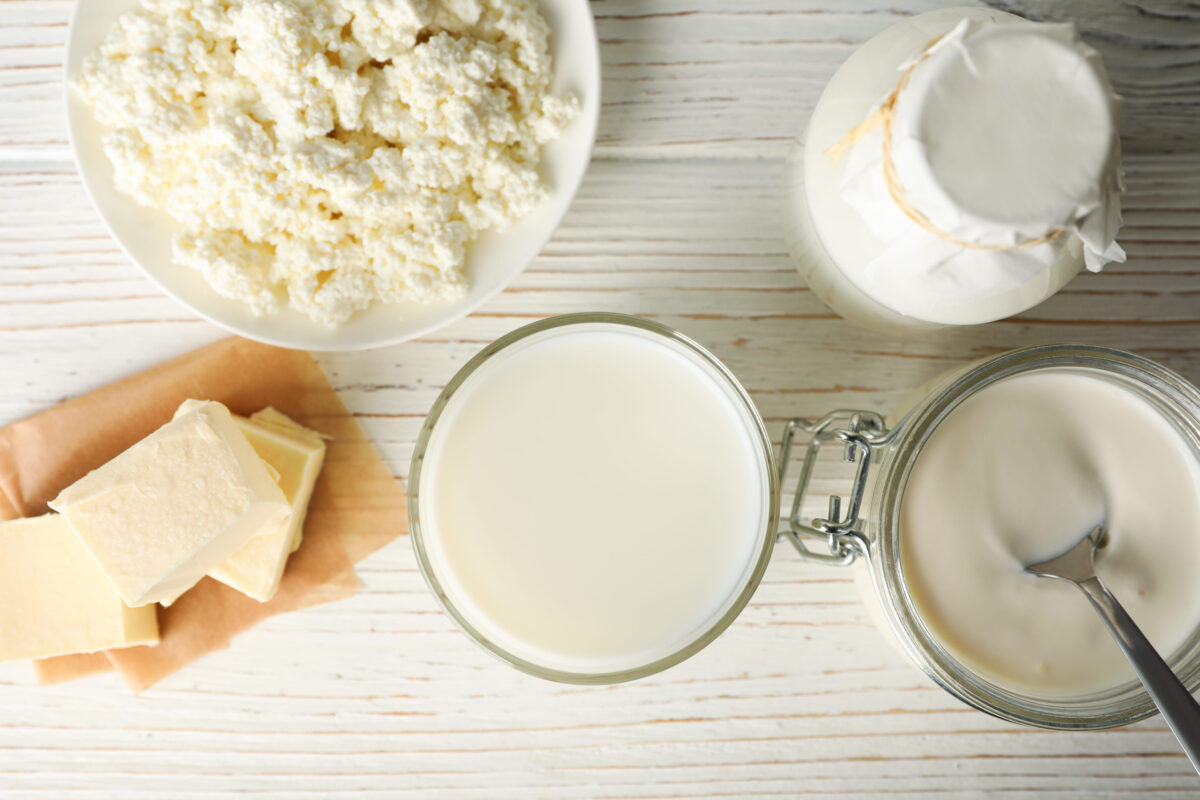
Osteoporosis, a condition characterized by bone thinning and an increased risk of fractures, is another common problem among older adults.
Maintaining strong, healthy bones requires an adequate intake of calcium, vitamin D, and other bone-building nutrients.
- Dairy Products: Dairy products like milk, cheese, and yogurt are rich in calcium, a mineral that is essential for bone health. If you are lactose intolerant, fortified plant-based alternatives like almond milk and soy milk can also provide a good source of calcium.
- Leafy Greens and Cruciferous Vegetables: In addition to supporting brain and heart health, leafy greens like kale and collard greens are also packed with calcium. Cruciferous vegetables like broccoli and Brussels sprouts also provide vitamin K, which is essential for bone health and calcium absorption.
- Fatty Fish: Fatty fish like salmon, mackerel, and sardines are rich in vitamin D, which is crucial for calcium absorption. Since vitamin D is not found in many foods, consuming fatty fish can help ensure your bones get the support they need.
- Nuts and Seeds: Almonds, sesame seeds, and chia seeds are excellent sources of calcium and magnesium, both of which are essential for bone strength. Magnesium also plays a key role in regulating calcium balance within the body.
By including these bone-boosting foods in your diet, you can help maintain strong bones and reduce the risk of fractures and osteoporosis as you age.
Cancer

Cancer is another disease that becomes more prevalent as we age. While there is no magic food that can completely prevent cancer, certain foods have been shown to reduce the risk of certain types of cancer by inhibiting inflammation and oxidative damage.
- Cruciferous Vegetables: Broccoli, cauliflower, and Brussels sprouts contain compounds shown to protect against cancer.
- These vegetables contain sulforaphane, a compound that helps detoxify harmful chemicals in the body and protect against cell damage.
- Tomatoes and Lycopene: Lycopene, an antioxidant found in tomatoes, has been linked to a reduced risk of prostate cancer. Eating tomatoes in their whole form or as tomato paste provides the best absorption of lycopene.
- Garlic and Onions: Garlic and onions contain sulfur compounds that have been shown to have anti-cancer properties. These compounds help to neutralize carcinogens and reduce inflammation, both of which contribute to cancer prevention.
- Green Tea: Green tea is rich in polyphenols, particularly epigallocatechin gallate (EGCG), which has been shown to prevent the growth of cancer cells. Drinking green tea regularly can be a simple, effective way to help lower your cancer risk.
Incorporating a variety of cancer-fighting foods into your diet can help reduce your risk of developing cancer and support your overall health as you age.
Conclusion
As we age, the risk of developing diseases like heart disease, Alzheimer’s, diabetes, osteoporosis, and cancer increases.
However, the foods we eat have a profound impact on our health and can help prevent or delay the onset of these conditions. By focusing on a diet rich in leafy greens, healthy fats, antioxidants, and bone-building nutrients, we can give our bodies the tools they need to stay strong, healthy, and disease-free. Aging doesn’t have to mean a decline in health; by making smart food choices, you can ensure a healthier, more vibrant life as you grow older.