NATO Faces Collapse as Trump’s Anger Over Iran Escalates
NATO is standing at a precipice, its very existence threatened by the unpredictable whims of a U.S. president angry over an unapproved war. As President Donald Trump’s military confrontation with Iran drags on, the U.S. leader’s discontent with NATO’s lack of support has reached a boiling point.
His claims that allies are “cowards” and his renewed threats to leave the alliance have triggered a crisis, one that could shake the foundations of Europe’s most powerful military institution.
The real question now: Can NATO survive Trump’s unpredictable demands, or is this the beginning of its unraveling?
The Iran Crisis

The conflict in Iran has raised uncomfortable questions about NATO’s purpose and ability to act outside its defined boundaries. As a defensive alliance, NATO is supposed to protect its members from attacks, but when it comes to wars instigated by one of its own members, like the United States’ action in Iran, NATO is not automatically bound to step in.
That leaves Europe in a difficult position, forced to navigate the delicate balance between supporting the U.S. and maintaining its own autonomy. The Iran situation exposes NATO’s vulnerability when faced with a rogue ally that insists on acting unilaterally.
Trump’s Anger at NATO

When Trump slams NATO, it’s not a mere display of frustration. It’s a direct challenge to the alliance’s core purpose. His anger over NATO’s perceived inaction in the Strait of Hormuz, a vital shipping route, reflects his broader belief that the U.S. is unfairly bearing the burden of global security.
Trump’s complaints are not limited to the lack of immediate action; he has accused NATO allies of failing to fulfill their commitments, leading him to wonder whether America should even remain part of the alliance. With his threats to withdraw, NATO faces an existential crisis.
The Rutte Challenge
For Mark Rutte, NATO’s most powerful leader, the task has never been more difficult. The Dutch Prime Minister has earned a reputation as a “Trump whisperer,” but even his diplomatic finesse is being tested. While Rutte has skillfully navigated previous disputes with Trump, his efforts to keep America engaged in NATO during the Iran crisis are crucial.
By publicly praising Trump for pressuring allies to spend more on defense, Rutte is trying to placate the U.S. president while also preventing a complete rupture in the alliance. However, his tactics are on thin ice as Trump’s demands grow more urgent.
Spain and France Stand Firm
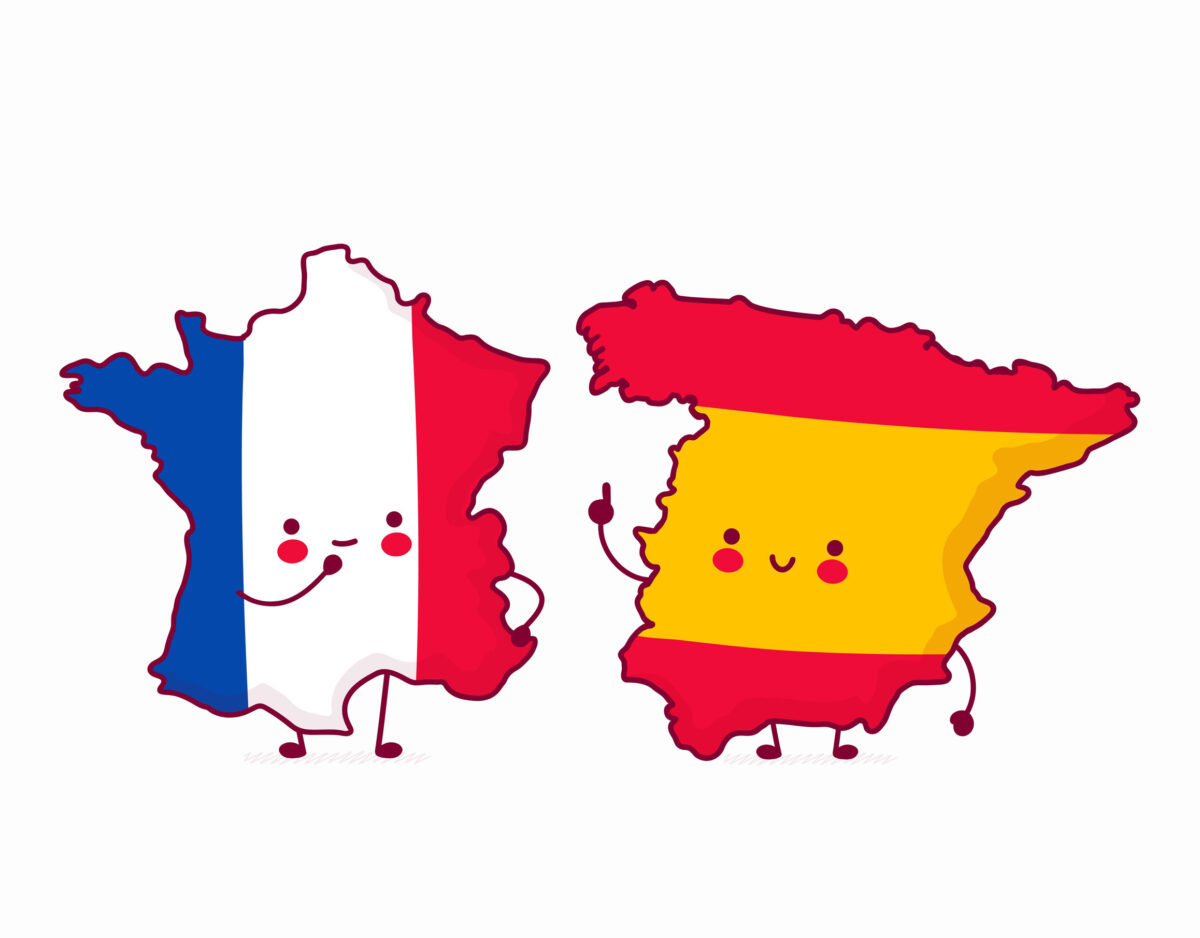
As Trump’s frustration grows, certain NATO members, such as Spain and France, have become symbolic targets of his ire. Spain, for example, closed its airspace to U.S. military planes and restricted U.S. access to its bases during the Iran conflict.
France, on the other hand, has been vocal in its criticism of the war, particularly questioning its legality and the lack of international consultation. Their actions highlight the growing divisions within NATO, with some countries refusing to bend to U.S. pressure, even when it risks Trump’s wrath. This intra-alliance tension could further erode NATO’s unity if it persists.
Can Trump Really Pull the U.S. Out of NATO?
While Trump has repeatedly suggested that the U.S. may leave NATO, the legalities of such a move are murky. According to NATO’s founding treaty, any member can withdraw with a year’s notice. However, U.S. law complicates matters; Congress has placed restrictions on a president’s ability to unilaterally withdraw from NATO without Senate approval.
Despite this, there is concern that Trump could weaken NATO without formally pulling out. His refusal to fully commit to NATO’s defense could gradually undermine the alliance’s credibility and make Europe question its future role within it.
Europe’s Response
Trump’s growing dissatisfaction with NATO’s response to Iran is only one symptom of a larger issue. Over the past few years, Europe has been increasingly focused on its own defense capabilities, seeking to reduce its reliance on the U.S. Yet this push for autonomy clashes with NATO’s traditional framework.
The debate over how far NATO should go in global military intervention, especially beyond its Euro-Atlantic borders, has intensified. Europe’s mixed responses to the U.S.-led Iran operation highlight this fracture, and as tensions rise, NATO’s future role in global security could be redefined.
Rutte’s Last Chance
Rutte’s handling of the Iran situation will be pivotal in determining NATO’s future. His diplomatic approach, which has largely relied on flattery and maintaining strong ties with Washington, may not be enough to keep NATO intact. As Trump’s rhetoric becomes more extreme, it is clear that NATO is at a crossroads.
The alliance’s credibility, once rooted in mutual trust and commitment, is now being questioned by its most powerful member. If Rutte cannot convince Trump of NATO’s value or if he fails to secure European support for the alliance’s mission, NATO could be on the brink of irrelevance.
What is NATO’s Survival in the Trump Era?
This crisis is not just about Iran; it is about NATO’s place in the 21st century. With Trump questioning the alliance’s utility and European nations increasingly skeptical of U.S. dominance, NATO faces a stark choice: evolve into a more independent, self-sustaining entity or risk unraveling under the weight of internal divisions and external pressures. The outcome of this standoff will determine whether NATO remains a central pillar of global security or fades into a relic of the past, forever scarred by Trump’s volatile leadership.