Iran’s Strait of Hormuz Warning Deepens Global Shipping Crisis
The Strait of Hormuz, a narrow waterway connecting the Persian Gulf to the Gulf of Oman, has long been a strategic chokepoint for global shipping. In recent weeks, Iran’s warning of potential disruptions to this vital route has set off alarm bells in the global shipping industry.
This move is not only a direct threat to global oil exports but also a serious signal of the rising tensions between Iran and international powers, including the U.S. and its allies. Iran’s geopolitical maneuvering has deepened the global shipping crisis, creating uncertainty across trade, energy, and diplomacy.
What Is the Strait of Hormuz?

The Strait of Hormuz is a strategically significant passageway that connects the oil-rich countries of the Middle East to global markets. It lies between Iran to the north and Oman to the south, linking the Persian Gulf with the Gulf of Oman. As one of the world’s most important maritime routes, the Strait is critical for the transport of petroleum, liquefied natural gas (LNG), and other goods.
Each day, nearly 21 million barrels of oil pass through this narrow passage, representing about 20% of the world’s daily oil supply. The shipping lanes that pass through the Strait serve not only as essential routes for energy exports but also for global trade in other key commodities.
Key Statistics About the Strait’s Role in Global Trade
- Oil Exports: 20% of the world’s daily oil supply passes through the Strait of Hormuz.
- Global Trade: The Strait is crucial to trade between Asia, Europe, and the Americas, with over 20% of liquefied natural gas (LNG) shipments passing through it.
- Shipping Volume: Over 85,000 ships pass through the Strait annually, underscoring its vital role in global maritime traffic.
Why Iran’s Warning Matters for Global Shipping
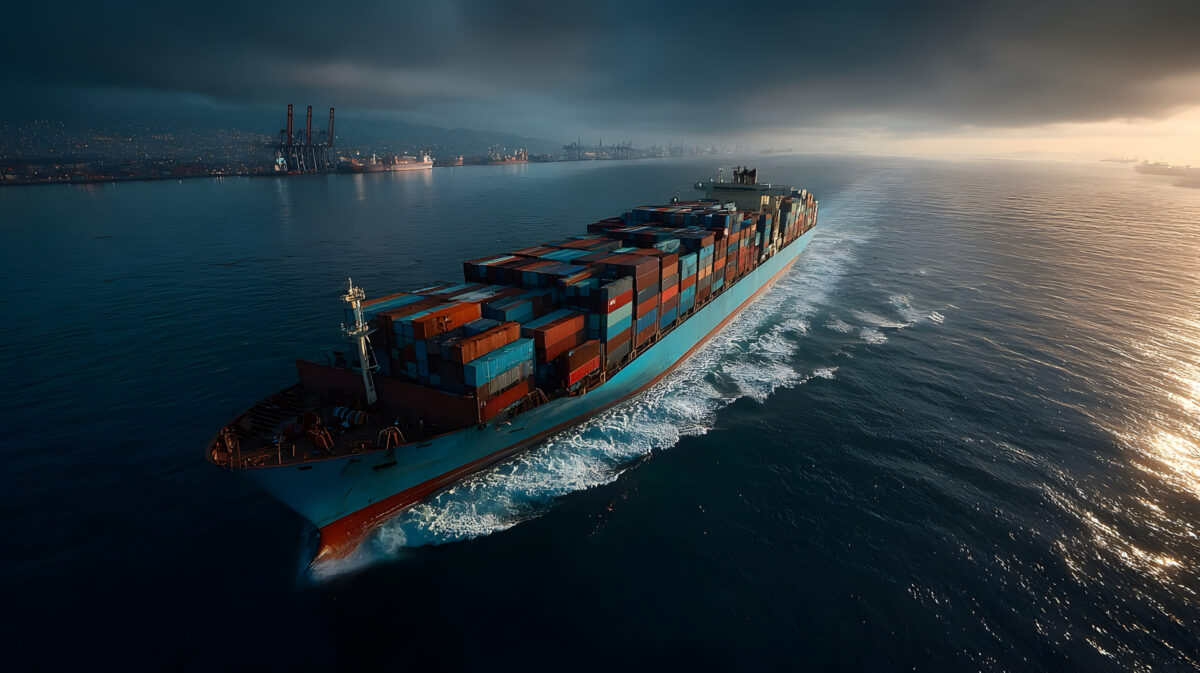
Iran’s recent warning regarding the Strait of Hormuz has rattled global shipping industries and governments alike. The warning, which signals potential disruptions to the free passage of ships, has far-reaching consequences. With tensions mounting in the region, the threat of direct military engagement or embargoes looms large, further jeopardizing an already fragile shipping network.
The Economic Ramifications of the Crisis
The effects of a disruption in the Strait would be immediate and severe. Shipping delays, higher insurance premiums, and the threat of shipping blockages could raise costs across industries. Additionally, disruptions could spark a chain reaction, raising the cost of goods worldwide, particularly in the energy and manufacturing sectors.
Navigating the Political and Military Risks
Political and military risks associated with the Strait are increasingly threatening the safety of international shipping. The global shipping industry relies on safe, uninterrupted trade routes, and any threat to this stability raises concerns over the safety of commercial vessels. International military responses, such as the presence of U.S. naval forces in the region, aim to maintain security, but the region’s geopolitical volatility creates a tense environment.
The Ripple Effects on Oil Prices and Energy Markets
One of the most significant impacts of a disruption in the Strait of Hormuz is its effect on global oil prices. As one of the most important shipping routes for oil, any threat to the free flow of trade through the Strait has the potential to spike oil prices. This not only affects energy markets but can also ripple through global supply chains.
Supply Chain Disruptions and Global Trade
The shipping crisis has far-reaching consequences for global supply chains. Companies that rely on oil and gas products and other raw materials face heightened uncertainty about their supply routes. This increases the risk of delays and price hikes, affecting industries as diverse as technology, pharmaceuticals, and automotive manufacturing.
What Are Countries Doing?

In response to the growing tensions in the Strait of Hormuz, countries around the world are taking steps to safeguard their interests. From military deployments to diplomatic negotiations, international reactions have varied based on each country’s geopolitical alignment and economic interests.
Strategic Military Movements and Alliances
The United States and its allies have stepped up their naval presence in the region, deploying military assets to ensure the safe passage of ships. The creation of coalitions to protect shipping lanes has become a key strategy for many nations.
Diplomatic Efforts and International Cooperation
In parallel with military efforts, diplomacy remains a vital tool in de-escalating tensions. International diplomatic efforts are focused on reaching agreements that ensure the uninterrupted flow of goods while preventing military confrontation.
What Lies Ahead?
Looking ahead, the future of the Strait of Hormuz remains uncertain. While some analysts believe that the tensions will eventually ease through diplomatic means, others fear that the risk of military conflict is high. Regardless of the outcome, one thing is clear: the global shipping landscape will never be the same.
Economic Recovery Plans and Contingencies
Nations and businesses are already preparing for the worst-case scenario, developing alternative trade routes and contingency plans to mitigate potential disruptions. By expanding trade through other chokepoints, such as the Suez Canal and the Bab el-Mandeb Strait, countries hope to reduce their dependence on the Strait of Hormuz.
A Long-Term Shift in Global Shipping Routes?
As tensions in the Strait escalate, some businesses are considering permanent shifts in their shipping routes. The possibility of finding new, safer alternatives is on the horizon, but it will take time and investment to fully realize these changes.
Conclusion
Iran’s warning regarding the Strait of Hormuz has added fuel to the fire of an already fragile global shipping crisis. The implications of this crisis are vast, affecting everything from global oil prices to military alliances and diplomatic efforts. As tensions continue to escalate, nations and industries are bracing for further disruptions, seeking new routes, and devising strategies to protect their interests.