10 Stinky Foods That Are Surprisingly Delicious
Some foods carry a reputation for being downright pungent. These foods, with their strong, distinctive odors, might make you wrinkle your nose, but beneath their smelly exteriors lie flavors that tantalize the taste buds of millions worldwide.
Whether it’s the iconic smell of fermented fish, stinky cheese, or a traditional Asian dish, there are several stinky foods that are unexpectedly delicious once you get past their scent. In this article, we will delve into ten such foods, each with its unique aroma and flavor profile, and explore why they’re worth trying despite their stench.
Durian
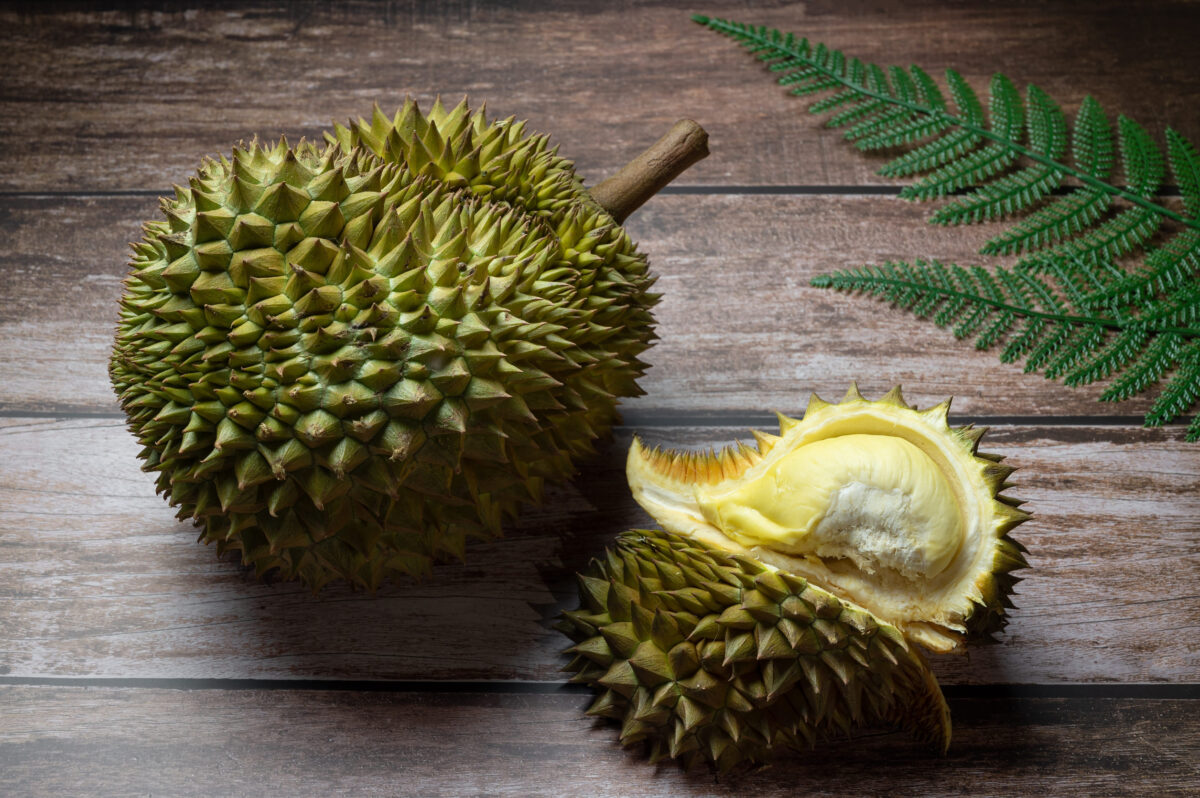
Dubbed “the king of fruits,” durian is notorious for its overpowering odor. For some, it smells like rotten onions or a mix of gym socks and sweet fruit. The odor can be so intense that durian is banned in some hotels and public transportation in parts of Asia.
However, the taste is a different story. Inside its spiky exterior lies a creamy, custard-like flesh with a rich, sweet flavor that fans describe as a cross between almonds, cheese, and caramel. The contrast between the pungent smell and the sweet, delicate taste is what makes durian a must-try for adventurous foodies.
Stinky Tofu
A popular street food in Taiwan and parts of China, stinky tofu is an acquired taste. The tofu is fermented in a brine made of vegetables, seafood, and sometimes even fish.
This fermentation process produces a strong odor, often described as like old garbage or dirty socks. However, when deep-fried or grilled, stinky tofu develops a crispy exterior while maintaining a soft, silken interior. The taste, while still bold, has a pleasantly savory profile that many love. Often served with pickled cabbage or chili sauce, stinky tofu is a snack that demands a little bravery but rewards with a memorable experience.
Natto
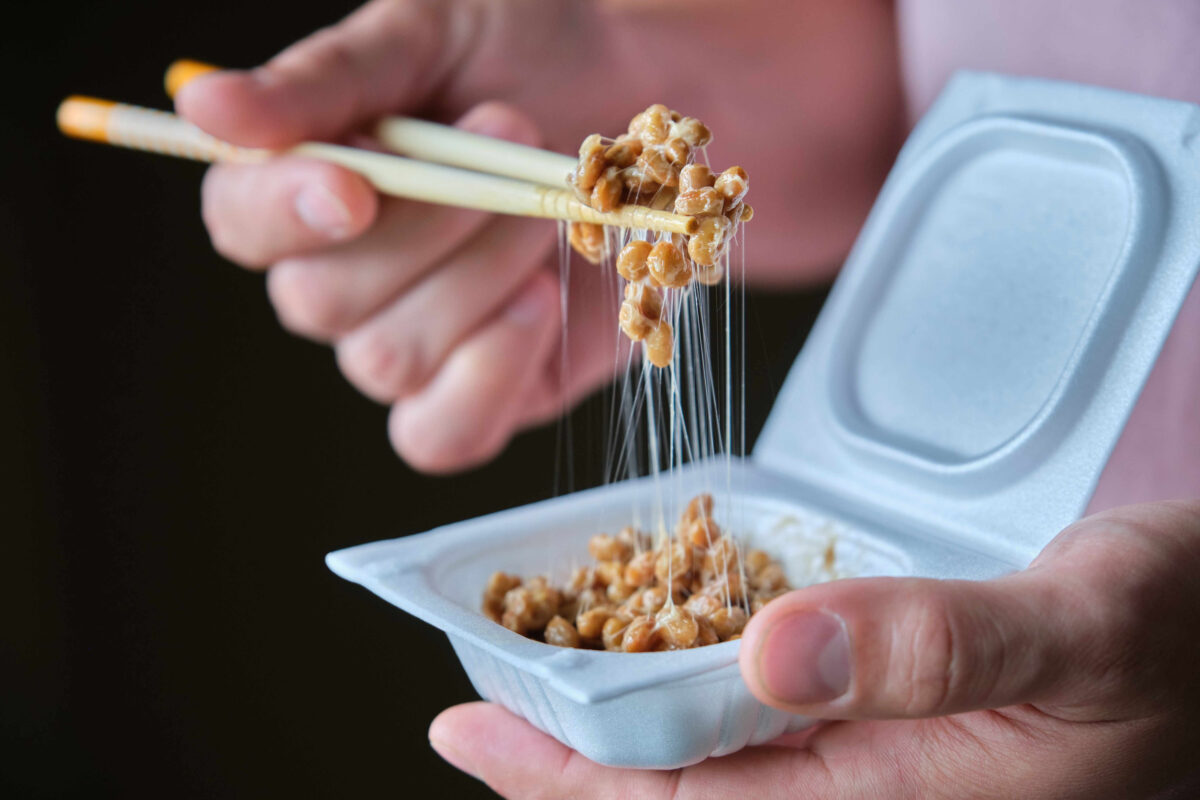
Natto is a traditional Japanese food made from fermented soybeans. The fermentation process gives natto its characteristic strong smell, which has been described as similar to old cheese or ammonia. The texture is also unique,sticky, slimy, and somewhat stringy, which may be off-putting at first.
Despite its challenging aroma and texture, natto has a rich umami flavor and is often enjoyed with rice, soy sauce, and mustard. It’s also packed with protein and probiotics, making it a healthy addition to any diet. Once you get past the smell, natto is a delicious and nutritious snack.
Epoissese
Epoisses is a soft, cow’s milk cheese from France known for its powerful aroma. It is washed in a brine and sometimes brandy, which contributes to its pungency. The smell can be so strong that it’s often compared to smelly feet or a barnyard. However, the taste of Epoisses is another matter entirely.
The cheese has a rich, creamy texture and a complex, slightly tangy flavor with earthy notes. The creamy consistency melts in your mouth, and the bold, sharp flavor is balanced by a mild sweetness. Epoisses pairs wonderfully with a glass of red wine, making it a favorite among cheese enthusiasts.
Kimchi

Kimchi, a staple of Korean cuisine, is a spicy, fermented vegetable dish, typically made from napa cabbage, radishes, garlic, ginger, and chili peppers.
The fermentation process gives kimchi its characteristic sour, pungent aroma, which can be intense, especially when it’s fresh. However, the flavor profile of kimchi is complex, with a delightful balance of spicy, sour, and umami notes. It’s often served as a side dish with rice and is known for its digestive health benefits due to its probiotic content. The initial smell may be strong, but once you try it, you’ll find it impossible to resist its addictive flavor.
Surströmming
If you think durian is the most pungent food in the world, think again. Surströmming, a type of fermented herring from Sweden, is often regarded as the smelliest food on Earth.
The fish is fermented for several months, and by the time it’s ready to eat, it releases an overwhelmingly strong odor. Some describe it as a mix of rotten eggs and garbage, making it so foul that it’s illegal to open cans of surströmming indoors. But for those who dare, the taste is surprisingly savory and briny, with a tangy sharpness that goes well with flatbreads and potatoes. The experience of eating surströmming is more about tradition and cultural heritage than the food itself, but for those brave enough, it’s a once-in-a-lifetime delicacy.
Black Pudding
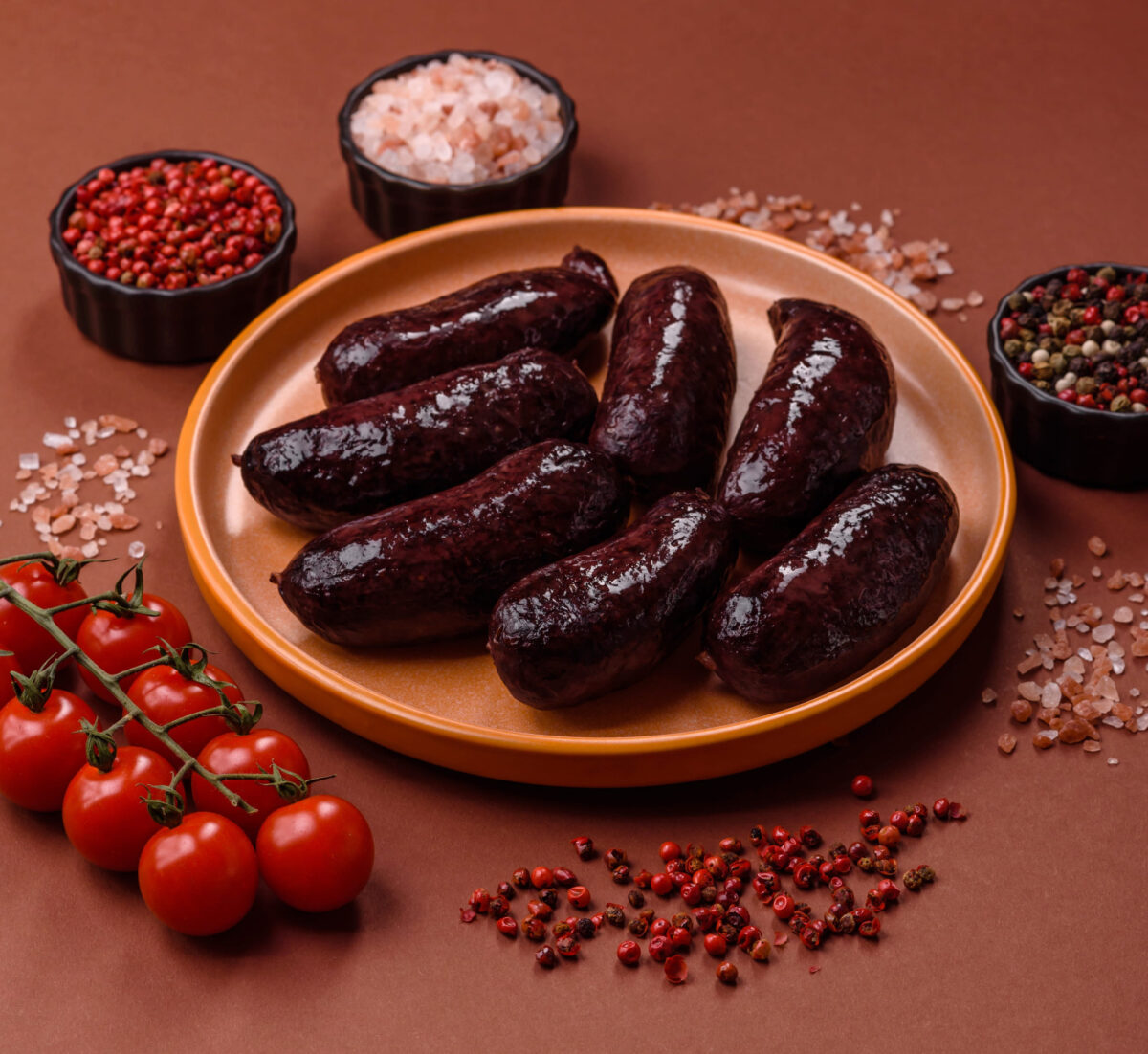
Black pudding is a type of blood sausage commonly found in Ireland and the United Kingdom. Made from pig’s blood, fat, oats, and various spices, black pudding has a dark color and a strong, somewhat metallic aroma that can be off-putting to some.
However, once cooked, the sausage takes on a rich, savory flavor with hints of herbs and spices. It’s often enjoyed as part of a traditional English breakfast, paired with eggs, bacon, and toast. Despite its challenging ingredients, black pudding is a beloved dish for many who appreciate its bold, unique taste.
Balkh
Balkh is a traditional Cambodian fermented fish paste that is often used as a seasoning in soups and sauces. The paste has a strong, fishy smell that can linger for hours, but it’s a crucial ingredient in Cambodian cuisine.
When incorporated into dishes, Balkh adds a deep umami flavor that enhances the overall taste. It’s often paired with vegetables and rice, and despite the initial odor, it adds a complexity and richness to the dishes that makes it an essential component of the Cambodian flavor profile.
Limburger Cheese
Limburger cheese is another stinky cheese that often shocks the uninitiated with its powerful scent. Originating in Belgium but now produced in several countries, Limburger has a pungent aroma due to the bacteria used in its fermentation process.
The smell has been compared to smelly feet, and it can be so overpowering that it’s often avoided by those unfamiliar with it. But once you take a bite, the creamy texture and the tangy, savory flavor will surprise you. Limburger is often paired with rye bread and onions, which complement its strong flavor and create a delicious, satisfying snack.
Garum
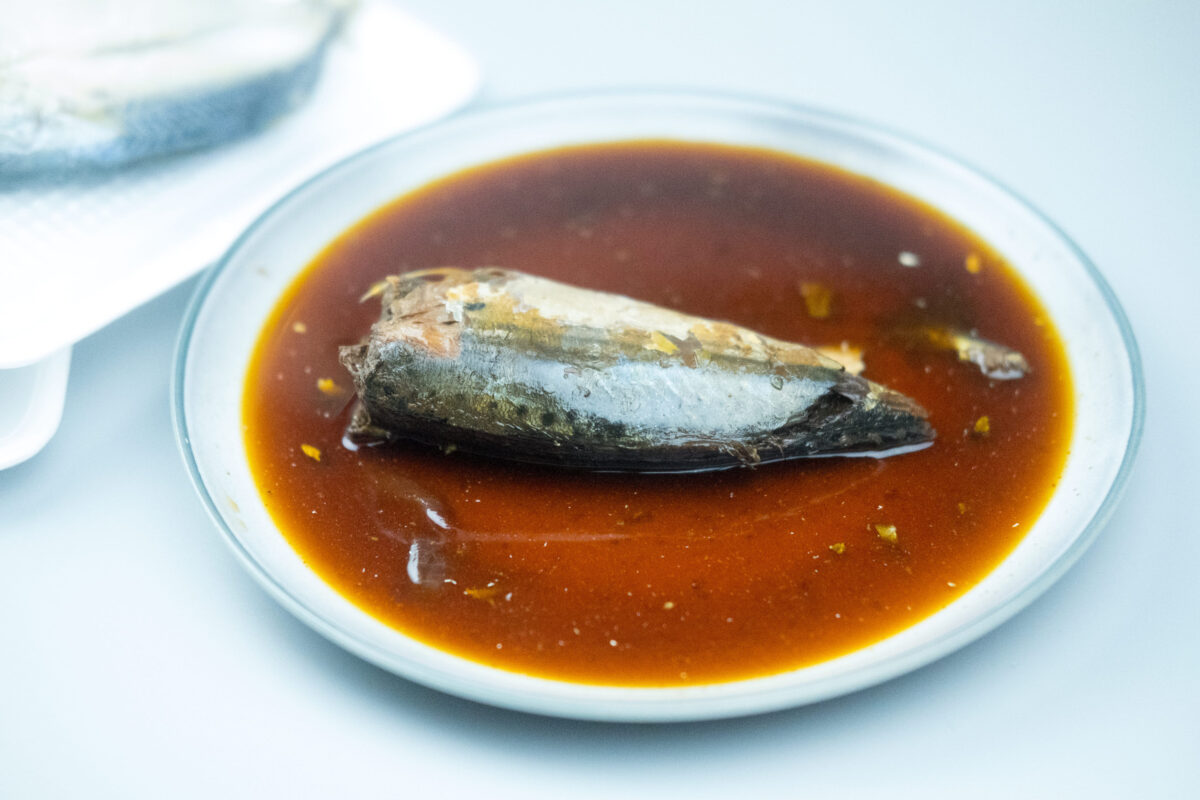
Garum, an ancient Roman fish sauce, has made a comeback in modern culinary circles. The sauce is made by fermenting fish with salt for several months, yielding a potent, salty liquid used to season various dishes. The aroma of garum is intense and fishy, with a savory, umami richness.
Despite its pungency, garum is similar to modern-day fish sauces like those used in Southeast Asian cuisine. When used in small amounts, garum adds a deep, complex flavor to meat, vegetables, and pasta dishes, making it a secret weapon in any chef’s arsenal.
Conclusion
While these foods may test your tolerance for strong smells, they are a testament to the fact that beauty—and flavor- lies in the eye (or nose) of the beholder. Each of these stinky foods offers a unique flavor experience that many people around the world savor.
From durian’s creamy sweetness to the savory complexity of fermented fish pastes, the world is full of foods that defy their scent to deliver flavors that are as memorable as they are delicious. So, next time you encounter a stinky food, don’t dismiss it just yet—take a deep breath, and dive in for a flavor adventure you won’t soon forget.