8 Outdated Boomer Eating Habits That Are Hurting Your Health and Need to End
The world of food has transformed dramatically in recent decades, with health-conscious diets, trendy superfoods, and new cooking techniques becoming the norm. However, some eating habits once considered staples among Boomers are now falling out of favor.
While Boomers have undoubtedly influenced the food landscape, it’s time to admit that some of their eating habits should be left behind. Let’s dive into the 8 Boomer eating habits that need to die, and why it’s time for a change.
Over-Reliance on Processed Foods

Many Boomers grew up in an era when convenience was key, and processed foods were seen as a godsend. Ready-to-eat meals, canned vegetables, and frozen dinners were common dinner table staples. However, over-relying on processed foods has led to a number of health problems over the years, such as obesity, heart disease, and high cholesterol.
These processed foods are packed with sodium, artificial preservatives, and unhealthy fats, none of which should be the cornerstone of anyone’s diet. In today’s world, with fresh and wholesome ingredients being more accessible, it’s time to leave the frozen dinner aisle behind.
The ‘Meat-and-Potatoes’ Mentality
The meat-and-potatoes meal is an iconic symbol of traditional American cuisine. For Boomers, this hearty, meat-heavy plate was the pinnacle of comfort food. While there’s no harm in occasionally indulging in a juicy steak or a baked potato, this eating habit of focusing on large portions of animal protein and starch should be reconsidered.
The heavy emphasis on meat not only strains our health but also contributes to environmental degradation. With increasing awareness about plant-based diets, it’s high time for Boomers to embrace a more balanced, plant-forward plate that prioritizes vegetables, legumes, and whole grains. Reducing meat consumption isn’t just a health trend; it’s an environmental necessity.
Drinking Sugary Soda Like It’s Water

For many Boomers, sugary soda was a regular part of their daily diet. It was served at every meal, at family gatherings, and even during casual hangouts. This habit was ingrained so deeply in their routines that it became second nature to crack open a can of cola with almost every snack.
However, research has shown that sugary sodas contribute significantly to weight gain, type 2 diabetes, and a variety of other health issues. In today’s world, it’s time to swap those sugary drinks for healthier options like sparkling water, herbal teas, or fresh juices. Cutting back on soda can drastically improve overall health and wellness.
Overuse of Butter and Margarine
Butter and margarine were the go-to fats for Boomers, used generously in cooking, baking, and on toast. However, both butter and margarine have been found to contain unhealthy trans fats and saturated fats, which are linked to heart disease, high blood pressure, and high cholesterol.
With the rise of healthier alternatives like avocado, olive oil, and nut butters, it’s time for Boomers to reassess their relationship with butter and margarine. These alternatives offer healthy fats that can improve cardiovascular health while still adding rich flavor to meals.
Skipping Breakfast
Breakfast has long been considered the most important meal of the day. However, many Boomers grew up in households where breakfast consisted of a rushed cup of coffee and maybe a piece of toast, leading to an overall neglect of this vital meal. Skipping breakfast may not seem like a big deal at first, but research shows that skipping this meal can negatively impact metabolism, lead to overeating later in the day, and increase the risk of chronic diseases like diabetes.
Instead of neglecting breakfast, it’s time for Boomers to prioritize a well-balanced morning meal that includes protein, fiber, and healthy fats. A nutritious breakfast will kickstart metabolism, improve energy levels, and support overall health.
Ignoring the Importance of Vegetables
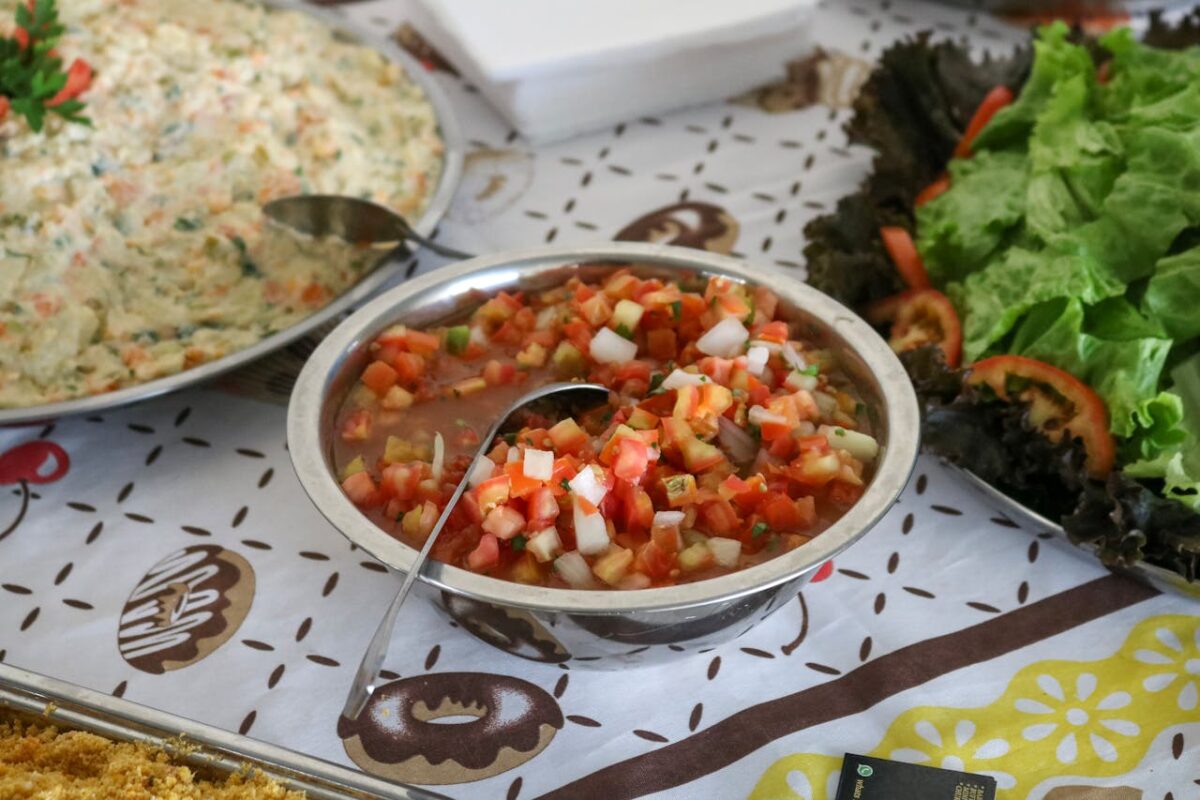
For many Boomers, vegetables were often treated as a mere side dish, not the star of the plate. Canned peas, corn, and overcooked carrots were seen as the standard vegetables, and there wasn’t much enthusiasm for incorporating more fresh or varied produce into meals. This lack of vegetable consumption can contribute to a diet that’s deficient in important vitamins, minerals, and fiber.
Today, we know that a diverse, colorful plate of vegetables can prevent a host of diseases, including cancer, cardiovascular issues, and digestive problems. It’s time for Boomers to rethink their approach to veggies and start incorporating a wider range of fresh, seasonal produce into their meals. The more vibrant the plate, the healthier the meal.
Not Understanding Portion Control

For many in the Boomer generation, large portions were the norm. The bigger the plate, the better—this mentality stemmed from both societal norms and a scarcity mindset, where more food was equated with greater value. However, portion control is crucial in maintaining a healthy weight and preventing overeating.
Nowadays, it’s essential to focus on mindful eating. Smaller, more frequent meals can help maintain blood sugar levels, boost metabolism, and prevent overconsumption. The key is to listen to your body and eat just enough to fuel it, rather than simply filling the plate.
Not Focusing on Gut Health
Gut health has become a major topic of discussion in recent years, but for many Boomers, it’s new. They were more likely to rely on medications or traditional remedies when they experienced digestive issues rather than focusing on improving gut health through diet.
Today, we understand the importance of a healthy gut microbiome, which affects everything from digestion to mental health. Incorporating more fermented foods, such as yogurt, kefir, sauerkraut, and kimchi, can help boost gut health, enhance immunity, and support overall wellness. Boomers should consider incorporating these foods into their diets to promote a healthier gut.
Conclusion
As we continue to evolve in our understanding of nutrition, it’s clear that some eating habits from the Boomer generation no longer serve us in the same way. Relying on processed foods, neglecting vegetables, and overindulging in unhealthy fats may have been the norm in the past, but the times are changing. Today, the emphasis is on plant-based eating, mindful portion control, and taking care of our bodies through better nutrition.
It’s time for Boomers to let go of these outdated eating habits and embrace a more balanced, healthy, and conscious approach to food. By making these small but impactful changes, they can not only improve their own health but also contribute to a more sustainable food culture. The food of the future is fresh, vibrant, and nutritious. Let’s move toward it together.