9 Foods That May Be Sabotaging Healthy Aging
As we age, maintaining a healthy lifestyle becomes increasingly important. However, many people unknowingly sabotage their efforts with everyday foods that seem harmless enough but can silently contribute to a decline in health over time.
While the food industry may market some of these items as convenient or even healthy, the truth is they can harm your long-term well-being. In this article, we will explore nine common foods that could be interfering with your goal of healthy aging.
Ultra-Processed Snack Foods
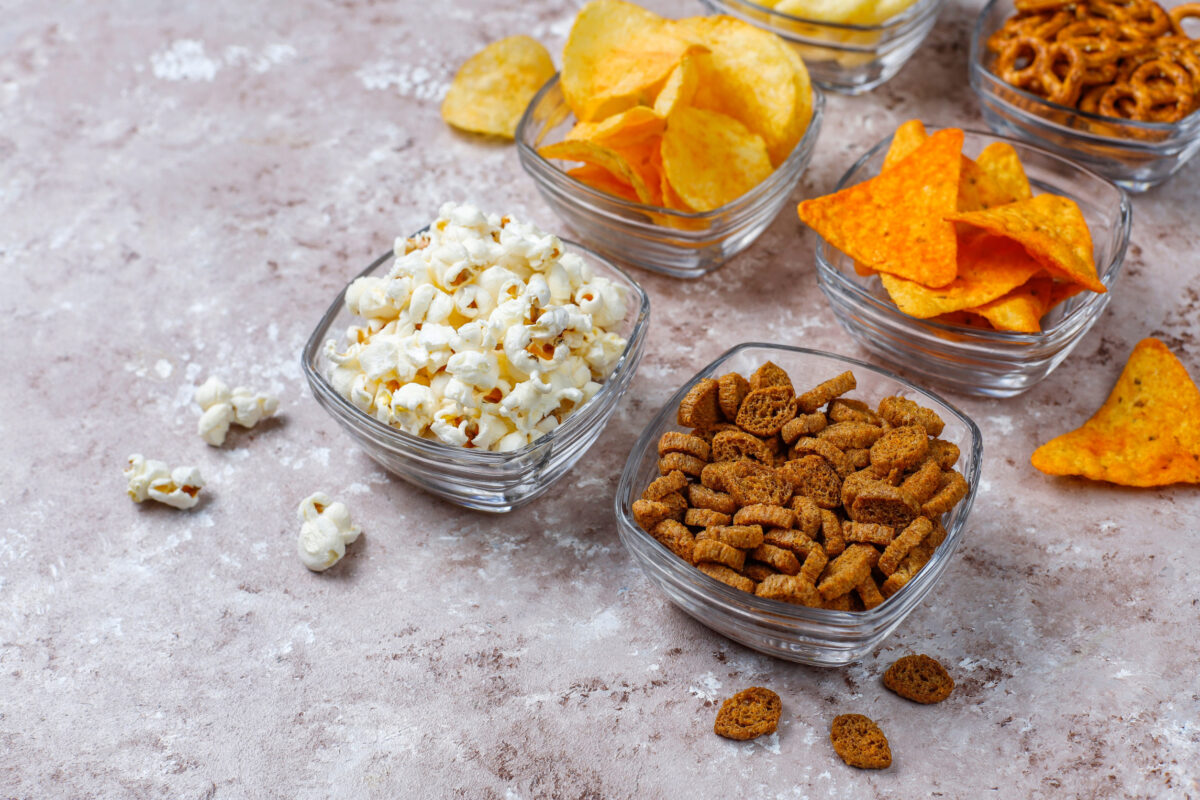
The convenience of ultra-processed snack foods like chips, crackers, and sugary granola bars has made them a staple in many people’s diets. These snacks are marketed as quick and easy, offering a brief sense of indulgence without the hassle of cooking.
However, what they lack in effort, they make up for in detrimental effects on the body. Research shows that these foods are often packed with refined sugars, unhealthy fats, and excessive sodium, all of which contribute to inflammation, weight gain, and increased risks of chronic conditions such as heart disease and diabetes. The impact of ultra-processed foods on aging is profound: they deprive your body of the nutrients it needs to thrive while overloading it with ingredients that accelerate aging.
A study published in the American Journal of Clinical Nutrition highlights the link between excessive consumption of ultra-processed foods and higher rates of obesity, heart disease, and type 2 diabetes. The high sugar content in these foods causes blood sugar spikes and crashes, leading to energy imbalances and, over time, can accelerate the aging process by damaging skin cells and contributing to wrinkles and fine lines.
Sugary Beverages
Sodas, sweetened fruit juices, and energy drinks are among the worst offenders in sabotaging healthy aging. These drinks may seem refreshing and satisfying, but they are packed with added sugars and offer little to no nutritional value. Consuming sugary drinks on a regular basis leads to a host of health problems, including weight gain, insulin resistance, and an increased risk of developing chronic diseases such as heart disease, liver disease, and type 2 diabetes.
The effects of sugary beverages on the aging process are profound. High sugar intake promotes the formation of advanced glycation end products (AGEs), which accelerate the breakdown of collagen and elastin in the skin. These proteins are essential for maintaining skin’s firmness and elasticity, and their degradation leads to wrinkles and sagging. The American Heart Association recommends limiting added sugars to no more than 6 teaspoons per day for women and 9 teaspoons per day for men. However, the average person consumes much more than that, often through sugary beverages, contributing to premature aging and various chronic conditions.
Processed Meats

Bacon, sausages, hot dogs, and deli meats have become popular additions to many diets, but these processed meats come with serious health risks. The World Health Organization (WHO) has classified processed meats as a Group 1 carcinogen, meaning there is sufficient evidence to conclude that they increase the risk of cancer, specifically colorectal cancer. These meats are often high in sodium, saturated fats, and preservatives like nitrates, which can increase blood pressure, harm your cardiovascular health, and increase your risk of heart disease.
When it comes to aging, consuming processed meats regularly can accelerate the aging of blood vessels, contributing to atherosclerosis (hardening of the arteries) and increasing the risk of strokes and heart attacks. High sodium levels can also exacerbate hypertension (high blood pressure), a condition that damages blood vessels and leads to long-term health complications. The best way to protect your health and aging process is to limit your intake of processed meats and opt for healthier protein sources like fish, poultry, and plant-based options.
Fried Foods
French fries, fried chicken, and other deep-fried foods are not only calorically dense but also high in unhealthy trans fats, sodium, and other harmful compounds formed during the frying process. When foods are cooked at high temperatures, they can form compounds known as acrylamides, which have been linked to cancer and other health problems. Additionally, the unhealthy fats found in fried foods contribute to weight gain, increased cholesterol levels, and a greater risk of heart disease.
Fried foods have a direct impact on the aging process by exacerbating inflammation throughout the body, accelerating tissue breakdown, and speeding the formation of wrinkles. Inflammation is a major contributor to the visible signs of aging, including sagging skin, fine lines, and dullness. Consuming fried foods regularly can lead to oxidative stress, which damages skin cells and promotes premature aging. Replacing fried foods with healthier cooking methods like baking, steaming, or grilling can help protect your skin and overall health.
Packaged Pastries and Desserts
Packaged cakes, doughnuts, and other commercially produced sweets are often loaded with added sugars, artificial ingredients, and unhealthy fats. While they may provide a quick burst of energy, they are poor sources of nutrition and contribute to several health issues, including obesity, type 2 diabetes, and heart disease. These foods are high in refined carbohydrates, which cause spikes in blood sugar and insulin levels, ultimately leading to insulin resistance and increased fat storage.
These sugary, processed foods can also lead to skin aging. Excessive sugar intake increases the formation of AGEs (Advanced Glycation End Products), which bind to collagen and elastin, the proteins that keep skin firm and youthful. The result is a loss of skin elasticity, increased wrinkles, and sagging. Limiting packaged pastry consumption and opting for fresh fruit or homemade, minimally processed desserts can help slow the aging process and promote better health.
White Bread and Refined Grains

White bread, white rice, and other refined grains may seem like staples of a balanced diet, but they are actually low in fiber and nutrients. These foods are made from highly processed grains that have been stripped of their essential vitamins, minerals, and fiber. Eating large amounts of refined grains can contribute to weight gain, high blood sugar, and an increased risk of diabetes. The fiber lost during the refining process is crucial for digestion, heart health, and blood sugar regulation.
Refined grains cause blood sugar levels to spike and crash, which promotes inflammation throughout the body and contributes to skin aging. Consuming large amounts of refined grains also increases your risk of developing insulin resistance, a condition that accelerates aging and leads to a range of chronic diseases. To promote healthy aging, it is important to replace white bread and other refined grains with whole grains such as quinoa, brown rice, and oats.
Candy and Sugary Snacks
Candy bars, gummies, and other sugary snacks may provide a momentary sugar rush, but they offer little nutritional value and can have long-term consequences for aging. The high sugar content in candy can contribute to inflammation, weight gain, and insulin resistance, all of which are associated with accelerated aging and chronic disease. Excessive sugar consumption also increases the risk of dental problems, such as cavities and gum disease, which can further contribute to premature aging.
Sugar promotes the breakdown of collagen and elastin in the skin, which leads to wrinkles and sagging over time. To protect your skin and health, it’s crucial to limit your intake of candy and sugary snacks. Choose healthier alternatives such as fruit, nuts, or dark chocolate to satisfy your sweet tooth without harming your body’s ability to age gracefully.
Alcohol

While moderate alcohol consumption can be part of a healthy lifestyle for some people, excessive drinking can accelerate the aging process and contribute to a range of health problems. Alcohol is a diuretic, meaning it can dehydrate the body and cause skin to appear dry and aged. Chronic alcohol consumption has also been linked to liver damage, heart disease, and an increased risk of certain cancers.
Alcohol negatively impacts the skin by depleting essential vitamins and nutrients that are necessary for skin health. It also increases inflammation, which contributes to the breakdown of collagen and elastin. If you want to maintain a youthful appearance and protect your health, it’s important to limit alcohol consumption and drink plenty of water to stay hydrated.
Artificial Sweeteners
Artificial sweeteners like aspartame, sucralose, and saccharin are often used in “diet” foods and beverages as sugar substitutes. While they don’t contain calories, research suggests they may negatively affect metabolism, gut health, and insulin sensitivity. Some studies suggest that consuming artificial sweeteners can disrupt the balance of beneficial gut bacteria, leading to inflammation and a higher risk of metabolic disorders.
The long-term effects of artificial sweeteners on aging are still being studied, but some research indicates that they may contribute to weight gain, metabolic issues, and chronic disease. To promote healthy aging, it’s advisable to reduce or eliminate the use of artificial sweeteners in favor of natural sweeteners like honey or stevia.
Conclusion
While many of these foods may seem innocuous, their long-term impact on aging can be significant. By making small diet changes and avoiding these nine foods, you can improve your health, maintain a youthful appearance, and reduce your risk of chronic disease.
Healthy aging is not just about adding years to your life; it’s about adding life to your years. Prioritize nutrient-dense, whole foods, and be mindful of how your diet can support your body’s natural aging process.
By making conscious food choices, you can ensure that the second half of your life is as healthy, vibrant, and fulfilling as possible.