The 20 Most Disgusting Foods in the World
Food can be one of life’s greatest pleasures, but not every dish is universally adored. While some cuisines are celebrated worldwide, others have remained rather niche, often because of their shock factor or the unusual ingredients that make them harder to stomach.
From fermented delights to bizarre combinations, these are the 20 most disgusting foods in the world that many would rather skip. Whether it’s the taste, smell, or texture, these dishes leave a lasting impression,sometimes for all the wrong reasons.
Surströmming
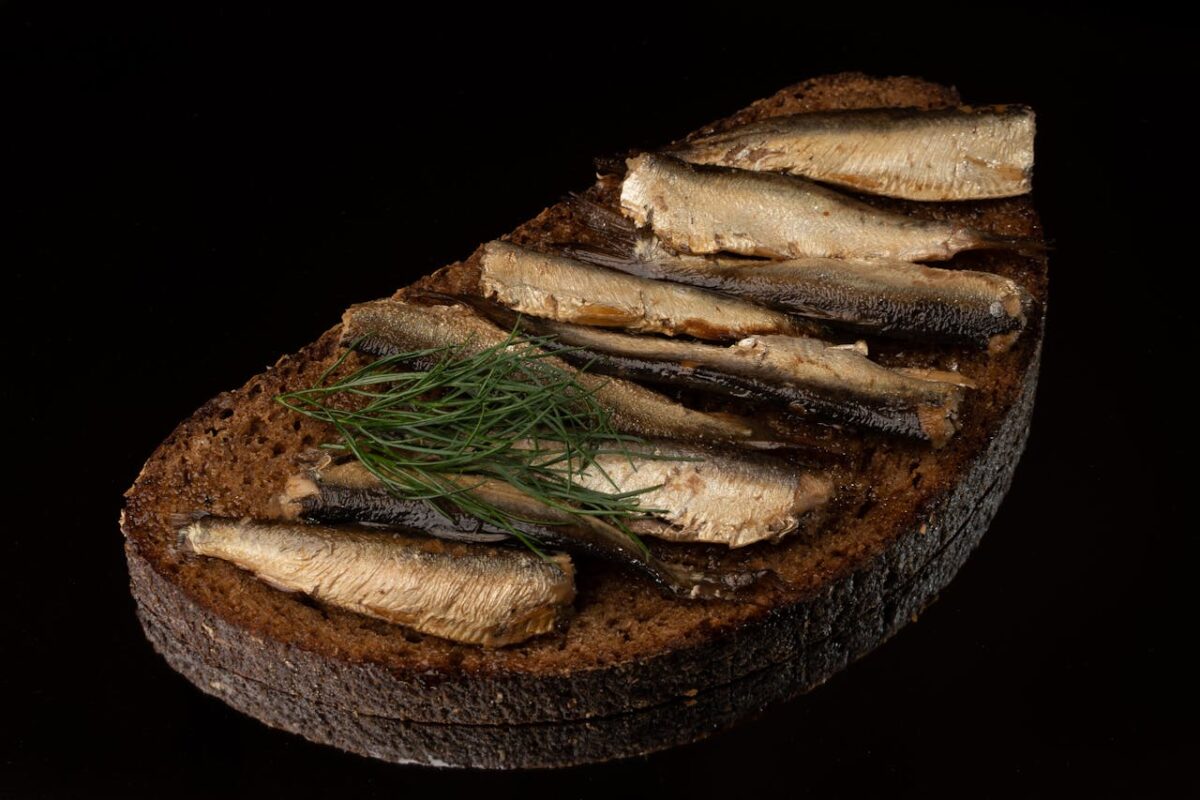
Surströmming is often considered the king of all disgusting foods. This fermented herring is known for its overwhelming odor.
Open a can of surströmming, and you’ll instantly be greeted with a smell so pungent that it has been banned on planes. Despite this, the Swedes cherish it, serving it with thin flatbreads and potatoes, but many would rather avoid the smell altogether.
Balut
Balut is a fertilized duck egg, often served as a street snack in the Philippines. The egg, usually boiled, contains an almost fully developed embryo.
While it’s a delicacy to many, the sight and texture of the partially formed chick can be too much for outsiders to handle. Its combination of chewy egg whites and crunchy bones certainly makes for an unusual experience.
Hákarl
This Icelandic dish consists of fermented shark meat that’s been buried underground to cure.
The meat is so pungent that even the bravest individuals can gag. Its ammonia-like smell is described as similar to that of cleaning chemicals, and many locals joke that it’s more about surviving the experience than enjoying it.
Casu Marzu
Casu Marzu is a traditional Sardinian cheese that is infamous for containing live insect larvae.
The larvae hatch inside the cheese, and some locals even prefer to eat it while the larvae are still wriggling around. For many, the thought of consuming a cheese with moving bugs inside it is enough to make them run in the opposite direction.
Century Egg
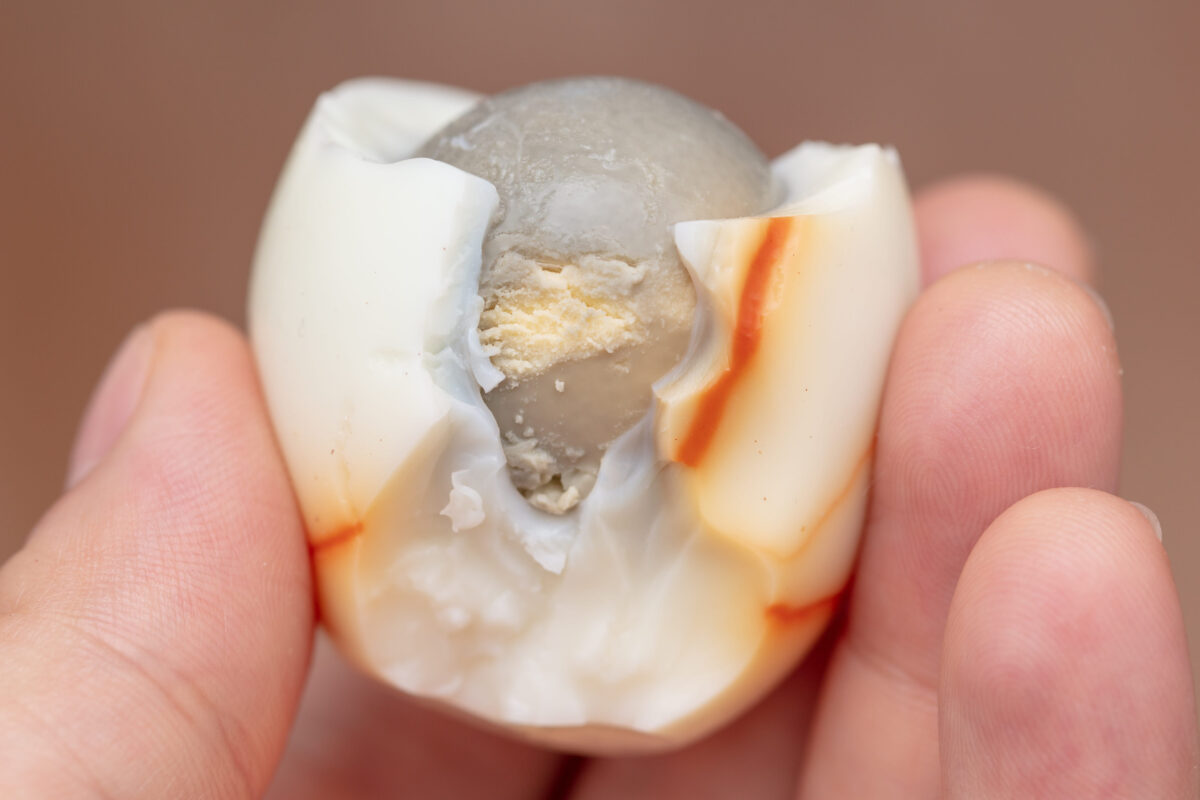
Also known as hundred-year eggs, century eggs are preserved eggs that have been marinated in clay, ash, and quicklime for several weeks or months. The result is a black egg with a greenish yolk and a pungent flavor that can be off-putting for many.
Despite their striking appearance and strong taste, they are considered a delicacy in China and other parts of Asia.
Kiviak
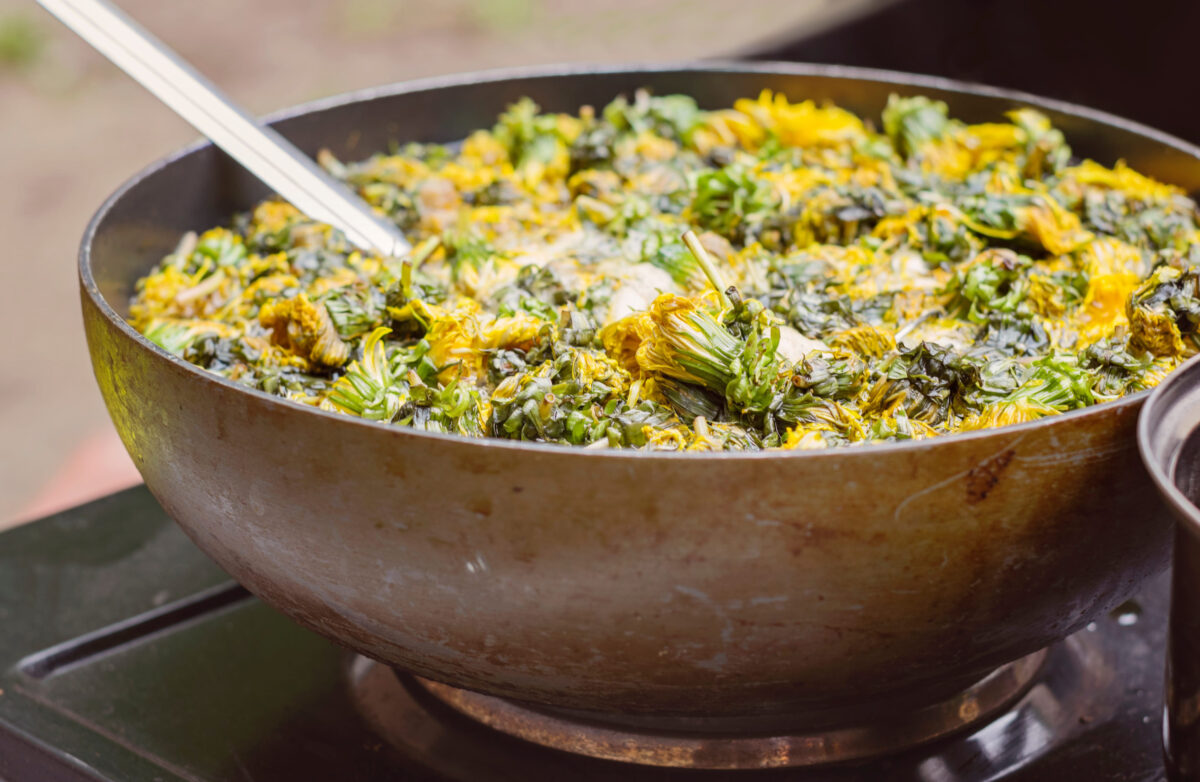
Kiviak is a traditional dish from Greenland that involves fermenting a whole bird (usually an auk) inside a seal carcass.
The birds are stuffed into the seal’s body and left to ferment for several months. Once it’s ready, the fermented meat is eaten raw, a process that results in a dish with a very distinctive (and not-so-pleasant) flavor.
Sannakji
Sannakji is a dish made from live octopus, typically served as chopped pieces with sesame oil. While the tentacles are still wriggling on the plate, the dish’s appeal lies in its novelty, but the act of eating live animals isn’t for everyone.
The squirming pieces of octopus make for an unsettling dining experience, and some people have even choked while trying to swallow them.
Fugu
Fugu, or pufferfish, is a Japanese delicacy that can be deadly if not prepared properly.
The fish contains tetrodotoxin, a potent neurotoxin that requires specialized training to remove safely. Despite its deadly reputation, fugu is consumed by those willing to risk it for the experience, but many will opt for safer fish options instead.
Witchetty Grub
This large, white grub is a staple food of Indigenous Australians. Often eaten raw or roasted, the witchetty grub is high in protein but is not particularly appetizing to most outsiders.
The grub’s gooey texture and earthy flavor make it an acquired taste, even for those willing to try something adventurous.
Muktuk
Muktuk is a traditional dish made from the skin and blubber of a whale. Often served raw or pickled, its chewy texture and fatty taste make it a challenging dish for many.
Muktuk is deeply embedded in the cultures of Arctic communities, but for most people, the idea of eating whale blubber is a tough sell.
Stink Head

Stink head, or “fermented fish head,” is an Alaskan delicacy made by fermenting the head of a salmon for weeks or months.
The result is a dish that’s described as having an intense, pungent odor. Its strong smell makes it a food that’s typically consumed only by those with a strong constitution and a deep appreciation for local traditions.
Jellied Eels
Jellied eels are a classic dish from London that involves boiling eels in a spiced vinegar solution, which causes them to set into a gelatinous consistency.
The sight of eel meat suspended in jelly is enough to put many off, and the dish’s slippery texture can be unsettling to those unfamiliar with it.
Beondegi
Beondegi refers to boiled or steamed silkworm larvae, which are a popular snack in South Korea. The larvae are often sold in cups on street corners, and locals enjoy them for their rich, earthy flavor.
However, the texture and appearance of the tiny, wriggling larvae can be off-putting for many who aren’t used to eating insects.
Black Pudding
Black pudding is a type of blood sausage made from congealed animal blood, fat, and grains.
Often served as part of a traditional English or Irish breakfast, it has a dense, chewy texture and a rich, iron-like taste that is an acquired taste for many.
Escamoles
Escamoles, often referred to as “insect caviar,” are ant larvae harvested from the roots of agave plants.
These larvae are sautéed with butter and spices and served in tacos or as a side dish. While escamoles are considered a delicacy in Mexico, the idea of eating ant larvae is unappealing to many.
Chicha
Chicha is a traditional fermented beverage from Peru made by chewing maize and fermenting it. Historically, women chewed maize, and the saliva enzymes helped break down the starches.
The resulting drink can have a sour, yeasty flavor, making it a challenging beverage for those not accustomed to fermented drinks.
Tarantula
Fried tarantulas are a popular snack in Cambodia, where they are deep-fried and served with a crispy coating.
The idea of eating a spider, especially a large one, is enough to make most people shudder. Yet, those brave enough to try it report that the flavor is not as bad as one might think, with a crispy exterior and soft meat inside.
Rocky Mountain Oysters
Despite the name, Rocky Mountain oysters are not seafood; they are bull testicles. Deep-fried and served as an appetizer in parts of the American West, these “oysters” are often dipped in cocktail sauce.
The idea of eating testicles may be enough to deter many, but for those who enjoy them, they’re a delicacy.
Tuna Eyeballs
Tuna eyeballs are a popular dish in Japan, often served in soups or stews.
The large, bulbous eyes of the tuna are cooked and served whole, offering a gelatinous texture and a savory flavor. While they are considered a delicacy by some, the idea of eating an eyeball is a bridge too far for many.
Ackee
Ackee is a fruit native to West Africa and Jamaica’s national fruit. When unripe, ackee is toxic and can cause vomiting and even death. However, when properly prepared, it is cooked and served as part of the popular dish “ackee and saltfish.”
While the dish is beloved in Jamaica, the fruit’s toxic properties make it a risky food to prepare without proper knowledge.
Conclusion
From fermented fish to fried tarantulas, these 20 disgusting foods show that the concept of culinary delicacies is deeply subjective.
While they may make most people gag, they remain important parts of the cultures where they are beloved. Whether it’s the challenge of conquering bizarre textures or the acquisition of a taste for pungent smells, these dishes offer a reminder of the diverse ways food can bring people together—though they might leave a few outsiders cringing.
So, the next time you’re offered a dish that seems out of the ordinary, remember that one person’s disgusting food is another’s beloved tr