8 Cheap Foods That Can Cost You More in the Long Run
Saving money at the grocery store feels like a win, especially when prices keep climbing, and every trip to the checkout seems to sting a little more. Cheap food can seem like the smartest choice in the moment, but the lowest price tag does not always mean the best value once hunger, health, and waste come into play.
Some foods are cheap because they are built to fill space, not to truly satisfy you. They may leave you hungry again too soon, push you toward more snacking, or quietly add costs through poor nutrition, wasted leftovers, and meals that never really do the job. Here are eight cheap foods that can seem like bargains at first, but often end up costing more over time.
Instant noodles can leave you full for only a short while
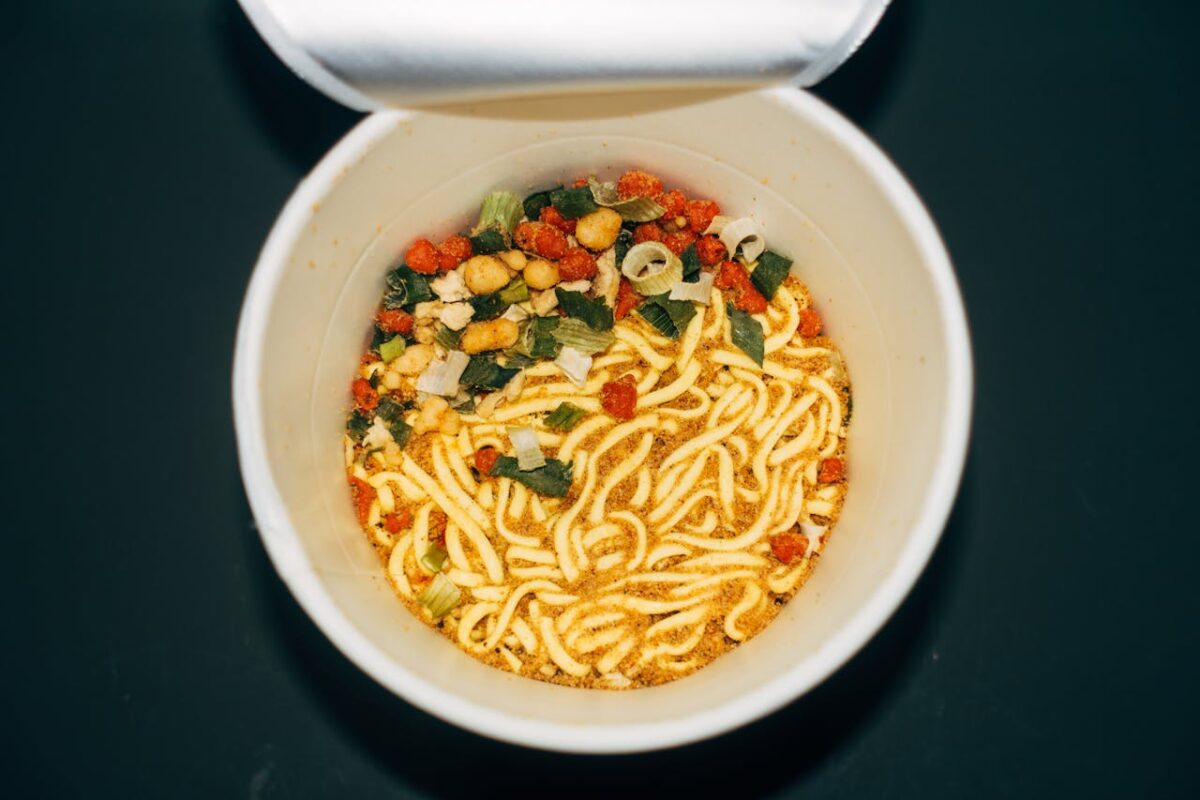
Instant noodles are famous for being one of the cheapest meals on the shelf. They are fast, salty, comforting, and easy to stock up on when the budget feels tight. The problem is that they often give you plenty of refined carbs and sodium, with little fiber, protein, or real staying power. That means you may eat them, feel full for an hour, and then find yourself reaching for more food again before the day is even halfway done.
That extra hunger adds up. One cheap pack can quickly turn into a second snack, a sugary drink, or a late-night fast-food order because the meal never truly satisfies you. Over time, the low cost of instant noodles stops looking so impressive when they keep pushing you back into the kitchen or toward extra spending. What looked like a bargain can turn into a revolving door of hunger.
Sugary cereals can trick you into paying for a weak breakfast.
A box of cheap cereal can seem like a budget-friendly breakfast hero. It is easy, quick, and often marketed as a cheerful start to the day. Yet many lower-priced cereals are packed with sugar and refined grains, which means they may give you a fast burst of energy followed by a crash that leaves you hungry, tired, and looking for another bite before lunch.
That pattern can make mornings more expensive than they seem. You may end up buying extra snacks, larger lunches, or more coffee just to feel normal again. On top of that, sugary cereals rarely feel satisfying for long unless you pair them with fruit, yogurt, eggs, or something more substantial. Once you keep adding to make that cheap cereal work, the cost advantage starts to fade fast.
Processed lunch meats can turn a cheap sandwich into a weak meal.
Cheap deli meats often seem like a practical answer for quick lunches. A few slices of bread can look like an affordable way to feed yourself or your family without much effort. But many of the cheaper options are heavily processed, high in sodium, and made with fillers that do not deliver the same satisfaction as higher-quality protein sources.
The hidden cost shows up in two ways. First, those sandwiches can feel skimpy, which leads people to add chips, cookies, or other extras just to make lunch feel complete. Second, cheap processed meats often spoil quickly once opened, especially if they are forgotten in the back of the fridge. What seemed like a low-cost lunch solution can turn into both a nutritional compromise and a waste problem.
White bread can disappear fast without really feeding you.
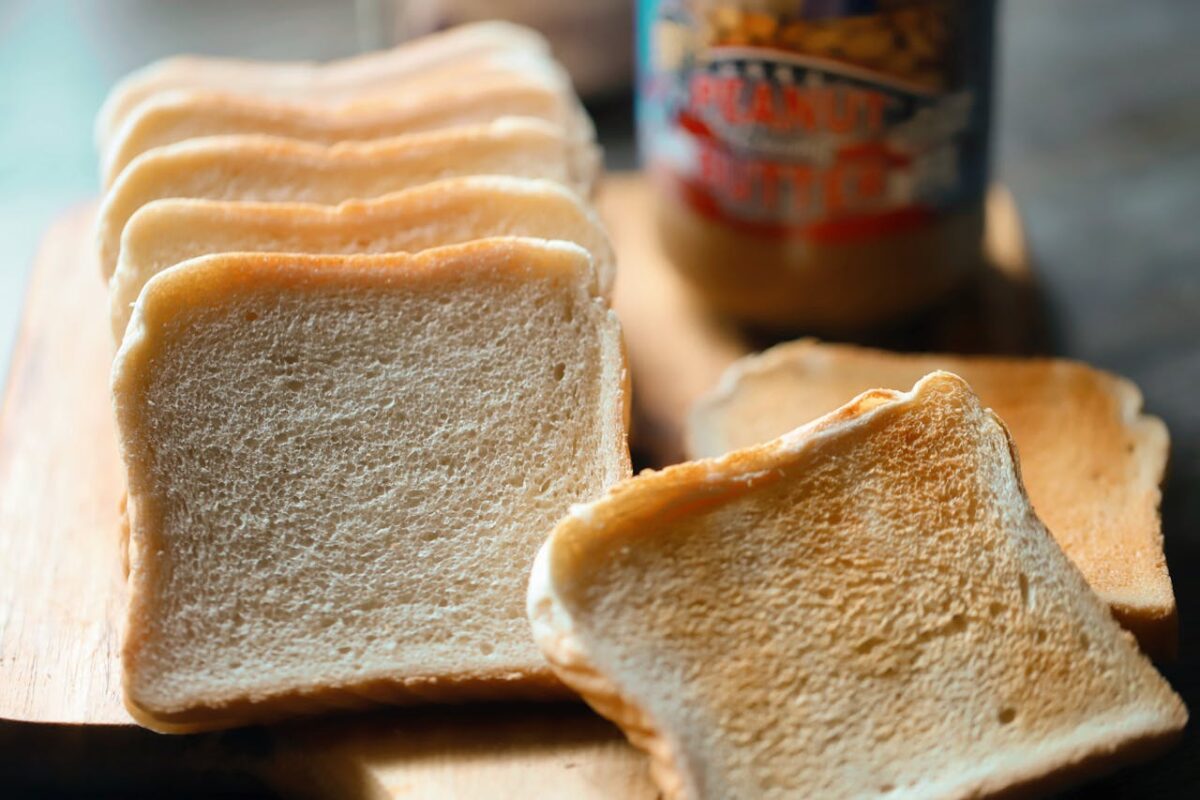
Cheap white bread has long been seen as a household staple because it stretches meals and fits almost any budget. It works for toast, sandwiches, and quick bites, which makes it feel like a smart cart addition. The issue is that it often lacks the fiber and density that help a meal stay satisfying, so it can leave you hungry again far sooner than a heartier loaf would.
There is also the problem of waste. Cheap bread tends to go stale quickly, tear easily, and lose its appeal after only a few days. Many people buy it because it is inexpensive, then throw part of the loaf away because no one wants the last dry slices. When a food item vanishes quickly from both your stomach and your kitchen, it is not saving nearly as much money as it pretends to.
Frozen budget meals can cost you in portions and quality.
Bargain frozen dinners often look like a miracle for busy people trying to avoid takeout. They promise convenience, low prices, and just enough food to count as dinner. But many of them are tiny, heavily processed, and short on the kind of ingredients that actually make a meal feel complete. You heat one, eat it in minutes, and still feel like your stomach is waiting for the real dinner to arrive.
That usually leads to extras. Maybe it is more bread, another frozen snack, dessert, or even a second meal later that night. The price on the box may be low, but if the portion is small and the ingredients don’t satisfy, the real cost rises. Cheap frozen meals often act like placeholders rather than proper dinners, and placeholders have a way of making people spend twice as much.
Cheap snack foods can drain your budget little by little.

Budget chips, cheese puffs, crackers, and sugary biscuits are masters of looking harmless. They are inexpensive, easy to toss into the cart, and perfect for those moments when you want something quick. Yet snack foods are often the kings of false economy because they disappear fast, do very little to satisfy real hunger, and make repeat purchases almost inevitable.
A family can go through several packs in a surprisingly short time, then head back to the store for more without realizing how much the habit is costing. Worse still, snack-heavy eating can push proper meal planning aside, leading people to rely on quick bites rather than balanced meals. The result is a grocery bill that leaks money in small amounts, over and over again, with very little real value to show for it.
Cheap sugary drinks can quietly inflate food spending.
Many people do not think of soft drinks, powdered juices, and cheap sweetened beverages as major budget problems because each bottle or packet looks affordable on its own. But these drinks rarely satisfy hunger, add little real nourishment, and can easily become a daily expense that sneaks past your attention. They are the kind of purchase that feels tiny until you multiply it across weeks and months.
There is another catch. Sugary drinks often increase cravings rather than settle them, which can lead to more snacking and more mindless eating throughout the day. A cheap drink with lunch can push you toward a sweet treat later, then another bite in the evening when your energy drops. What looked like a harmless add-on can slowly become one of the most expensive habits in the kitchen.
Low-quality cooking oils can affect both food and waste.

Very cheap cooking oils may seem like a practical buy, especially when the bottle is large and the price is hard to ignore. But lower-quality oils can go rancid faster, affect food taste, and sometimes make people use more than necessary because the food never comes out quite right. That means meals may be less enjoyable, leftovers may get ignored, and food waste can creep in without much warning.
When food cooked at home tastes dull or greasy, people are more likely to order takeout or grab something else later. That is where the hidden cost starts to show its face. A slightly better oil that helps meals taste fresher and more balanced can sometimes save more money than the cheapest bottle on the shelf. In the kitchen, quality often shapes how likely you are to actually eat what you cook.
Cheap processed cheese products can create more cravings than value.
Processed cheese slices and bargain cheese spreads often win shoppers over because they are cheap, long-lasting, and easy to use. They melt quickly and make basic meals seem more comforting, which is why they are such a common budget pick. The problem is that they are often more about salt, oils, and additives than the rich flavor and protein people expect from real cheese.
That can leave meals feeling oddly unfinished. You may add more slices, more bread, more condiments, or more side items just to make the dish feel satisfying. In the end, the cheap cheese product becomes part of a meal that costs more and delivers less. Sometimes paying a little more for a smaller amount of better food gives you more satisfaction and less waste.
Conclusion
Cheap food is not always bad food, and stretching a budget does not mean every low priced item should be feared. The real issue is value. A food that leaves you hungry, encourages more spending, spoils too fast, or turns meals into a cycle of cravings is not really saving money, no matter how friendly the shelf price looks.
The smartest grocery choices are often the ones that keep you full, help you waste less, and make home meals feel worth eating. When you start thinking beyond the price tag and pay attention to what a food actually does for your body, your time, and your wallet, the picture changes. Sometimes the cheapest thing in the store is the one that quietly costs the most.