6 Food Laws Around the World That Turn Ordinary Meals Into a Big Deal
Food feels universal until the law gets involved. One country treats a small act of hunger with compassion, another guards school lunch culture like a national treasure, and somewhere else, a sandwich chain learns that bread is not always legally bread.
The more you look at international food rules, the clearer it becomes that eating is never just about taste. It is also about values, public health, identity, and sometimes plain old order. Ranker’s roundup of unusual food laws captures that perfectly, and several of its most memorable examples hold up when checked against court rulings, public health research, and government records.
What makes these laws so fascinating is that they sound absurd from the outside until you understand the local logic behind them. A ketchup restriction can be about preserving a national food culture. A ban on cartoon mascots can be about reducing childhood exposure to junk food marketing.
A chewing gum crackdown can be less about candy and more about keeping a city running smoothly. Once you see the reason behind each rule, the strangeness gives way to something far more interesting. These countries are telling the world what they think food should do, and what it should never become.
Italy made room for compassion when hunger was the issue.

Italy drew global attention in 2016 when its highest court ruled in favor of a homeless man who had taken a small amount of food. The case involved cheese and sausage worth roughly $4.50, and the court ruled that taking such a small amount in a moment of immediate need for nourishment should not be treated as a crime. That detail matters because the ruling was not a free pass for shoplifting. It was a narrow recognition that survival can outweigh a rigid reading of theft law. What makes the decision so powerful is not the amount involved, but the principle behind it. Italy’s court effectively said that a civilized legal system should not ignore the reality of hunger when someone is trying to meet a basic human need.
France decided school cafeterias should not taste like fast food.

France’s restriction on ketchup in school cafeterias became one of those laws people joke about until they realize how seriously the country takes food education. The rule took effect in 2011 and limited ketchup in schools and government cafeterias, with a small exception for serving it with fries. This was about more than sugar content.
French officials and observers framed it as part nutrition policy and part cultural defense, a way to preserve the French approach to meals instead of letting processed condiments dominate children’s plates. That may sound dramatic, but France has long treated mealtime as something worth protecting. In that context, ketchup was not just a sauce. It was a symbol of imported eating habits that many policymakers felt should remain on the edges of school lunch, not at its center.
Chile went after cartoon mascots because packaging can sell bad habits.
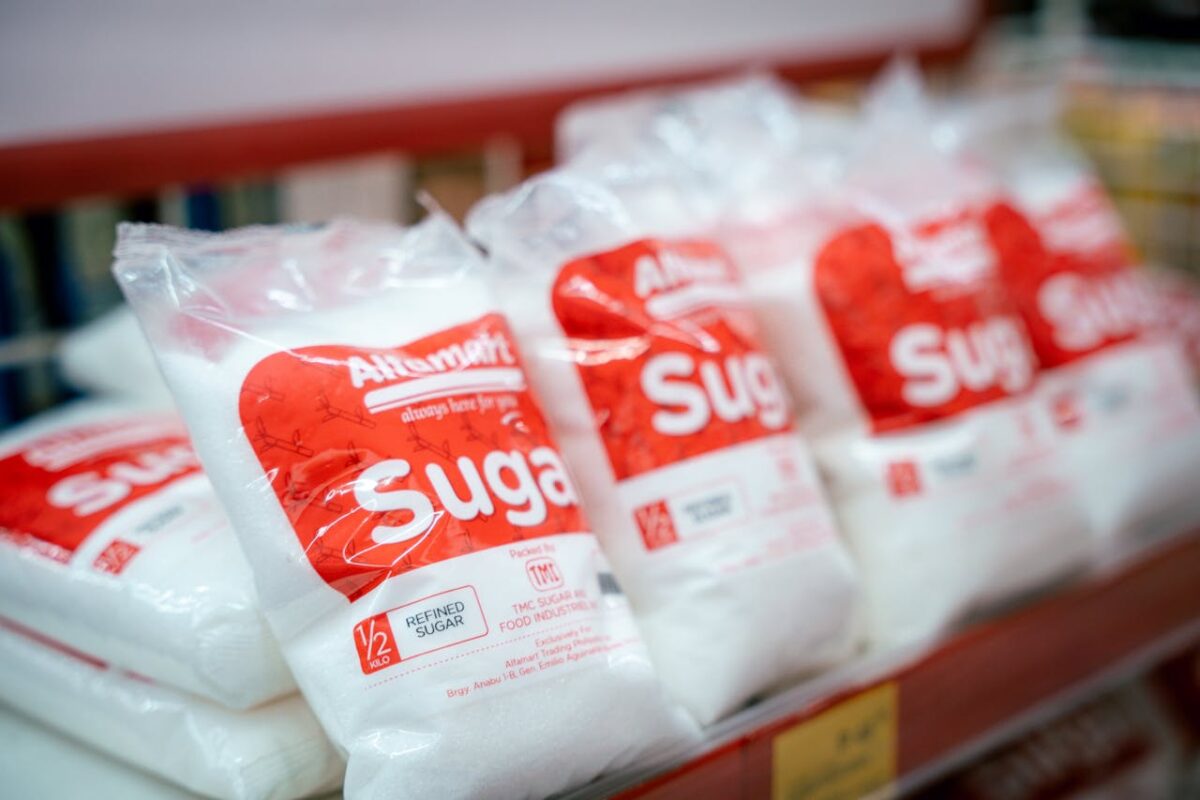
Chile took one of the boldest steps in modern food policy when it rolled out its food labeling and advertising law in phases starting in 2016. The law required warning labels on foods high in sugar, sodium, saturated fat, or calories, restricted child-directed marketing, and barred the sale of these warning-label products in schools. One of the most visible consequences was the disappearance of cartoon-style branding and child-friendly marketing from many packages.
That was not a cosmetic policy. Researchers and public health bodies have described the law as a broad attempt to reduce the power of packaging and advertising to pull children toward unhealthy food. In other words, Chile treated the smiling mascot on the box as part of the health problem, not just part of the design. That shift changed how the whole supermarket shelf looked, and it showed that food law can shape desire before a child even takes a bite.
Mexico followed with warning labels and less child bait on the box.
Mexico moved in a similar direction, but with its own version of front-of-pack discipline. Under the updated NOM 051 labeling rules, products carrying warning seals for excess sugar, calories, sodium, saturated fat, trans fat, or certain sweeteners cannot use cartoons, mascots, celebrities, athletes, or similar elements intended to attract children.
Reporting and policy analysis show the tougher enforcement phase emerged around 2021, turning what had been colorful persuasion into a far more restrained design. This matters in a country where obesity and diet-related disease have been major public health concerns. Mexico’s message was blunt. If a product needs a warning label, it should not get to dress itself up like a toy. That is a sharp break from the old habit of letting bright characters do the selling while the nutrition panel whispered the truth on the back.
Ireland reminded everyone that legal bread is not always bread.
Ireland’s ruling on Subway bread became internet famous because it sounded ridiculous on first read and strangely logical on second. In 2020, Ireland’s Supreme Court ruled that Subway’s bread did not qualify as bread under the country’s tax law because the sugar content was too high relative to the flour. The issue was not whether customers would still call it bread in everyday conversation.
The issue was whether it met the legal definition needed for a tax exemption reserved for staple foods. According to the reporting and legal analysis, the sugar level far exceeded the threshold set by the relevant law. That is what makes this case such a great example of how food rules work. They do not always care what a product is marketed as. They care what it is made of, how it is classified, and whether it fits the legal standards attached to that category.
Singapore treated chewing gum like a public nuisance with a price tag.

Singapore’s gum restrictions are probably the most famous example of a food-related rule that outsiders love to call extreme. The basic policy took effect in 1992 and banned the sale, import, and manufacture of chewing gum. Government records and reporting tied the move to a practical concern rather than a moral panic.
Gum litter was dirtying public spaces and causing costly problems, including damage and disruptions linked to the city-state’s transit system. In 2004, Singapore eased the policy enough to allow therapeutic and dental gum under controlled conditions, such as nicotine gum and certain sugar-free varieties sold through authorized channels. That detail is important because it shows the law was not really waging war on chewing. It was targeting mess, maintenance costs, and behavior in shared spaces. Singapore looked at gum and saw not a snack, but an avoidable systems problem.
Conclusion
These food laws sound weird only if food is viewed as nothing more than something to consume. Once food is seen as part of public health, national identity, legal classification, childhood behavior, and urban order, the logic becomes much easier to understand. Italy used the law to accommodate human needs.
France used it to shape how children eat. Chile and Mexico treated packaging as a public health battlefield. Ireland showed that legal definitions can turn a lunch staple into something else entirely, and Singapore proved that even gum can become a government issue when it starts affecting public infrastructure. That is what makes international food law so compelling. It reveals that every country is writing its values into the menu, rule by rule.