The Hidden Dangers of Juice
Juice has long been perceived as a healthy, refreshing drink, packed with vitamins and minerals from fruits and vegetables. From a child’s first sip of apple juice to a glass of freshly squeezed orange juice with breakfast, many people believe that juice is a wholesome addition to their diet. However, recent studies and expert opinions have begun to challenge this long-standing notion. While juice may seem like an innocent beverage, it can have several negative effects on your health that are often overlooked. Let’s break down why juice is bad for you and explore the hidden dangers lurking in your glass.
High Sugar Content

One of the biggest culprits of why juice isn’t as healthy as it seems is its excessive sugar content. Whether it’s store-bought or freshly squeezed, juice is often high in sugar. Even if the juice is labeled as 100% natural, it doesn’t mean it’s free from sugar. A glass of orange juice, for example, contains nearly as much sugar as a can of soda. This sugar spike, combined with a lack of fiber, can lead to blood sugar imbalances, making it especially harmful for people with insulin resistance or those trying to manage their weight.
Unlike whole fruits, which contain fiber to slow the absorption of sugar, juice is essentially a sugar bomb that can wreak havoc on your blood sugar levels. This not only raises your risk for developing conditions like type 2 diabetes but also contributes to the dreaded sugar crash after the initial energy boost. Essentially, juice tricks your body into thinking it’s getting a nutritious burst, but it’s all sugar without the nutritional benefits of fiber or the whole fruit.
Missing Nutrients and Fiber
While juice does provide some vitamins and minerals, it is often stripped of the fiber found in whole fruits. Fiber is crucial for maintaining digestive health, regulating blood sugar, and supporting overall well-being. When you drink juice, you’re missing out on this essential nutrient. The juicing process removes the pulp, which contains the fiber, leaving you with a liquid that offers only a fraction of the nutritional value of its solid counterpart.
Moreover, many commercial juices are pasteurized, a process that involves heating the juice to kill harmful bacteria. While this makes juice safer to consume, it also destroys many of the delicate nutrients, including vitamins and antioxidants. As a result, even though you may feel like you’re getting your daily dose of vitamin C, you’re not getting the full spectrum of nutrients found in whole fruits and vegetables.
Overconsumption of Calories
It’s easy to underestimate how many calories are packed into a glass of juice. The volume of juice you might drink in one sitting often contains the equivalent of multiple servings of fruit, which can quickly add up in terms of calories. For instance, a large glass of orange juice can contain juice from as many as 4 or 5 oranges. Consuming that many fruits in a single sitting without the fiber and other beneficial components can lead to unnecessary calorie intake.
When you consider that many juices also contain added sweeteners and preservatives, the calorie count becomes even more concerning. Over time, regular juice consumption can contribute to weight gain, especially if it’s replacing more nutritious and satisfying meals like a balanced breakfast or lunch.
The Role of Additives and Preservatives
Another significant concern with store-bought juices is the presence of additives and preservatives. Many commercial juices contain artificial colors, flavors, and sweeteners to enhance the taste and prolong shelf life. These chemicals may not only make juice taste better but can also pose potential health risks when consumed regularly.
For instance, high-fructose corn syrup, a common sweetener in many juices, has been linked to obesity, fatty liver disease, and an increased risk of metabolic disorders. Studies have shown that excessive fructose intake can significantly impair the body’s fat metabolism, leading to weight gain and cardiovascular issues. While many people drink juice with the intention of improving their health, these added ingredients may be working against them.
Impact on Dental Health

Drinking juice can also negatively impact your dental health. The high sugar content in juice is a major contributor to tooth decay. When sugar interacts with bacteria in the mouth, it forms acids that erode tooth enamel, leading to cavities and other dental problems. Juice’s acidity,especially citrus juices like orange and grapefruit, can further exacerbate this issue by softening tooth enamel and making it more vulnerable to decay.
Even if you’re diligent about brushing your teeth, the damage done by frequently sipping juice throughout the day can still take its toll on your oral health. For optimal dental hygiene, it’s recommended that you limit sugary beverages like juice and drink them in moderation, ideally with a meal, to minimize their impact on your teeth.
The Deceptive Nature of “Healthy” Juices
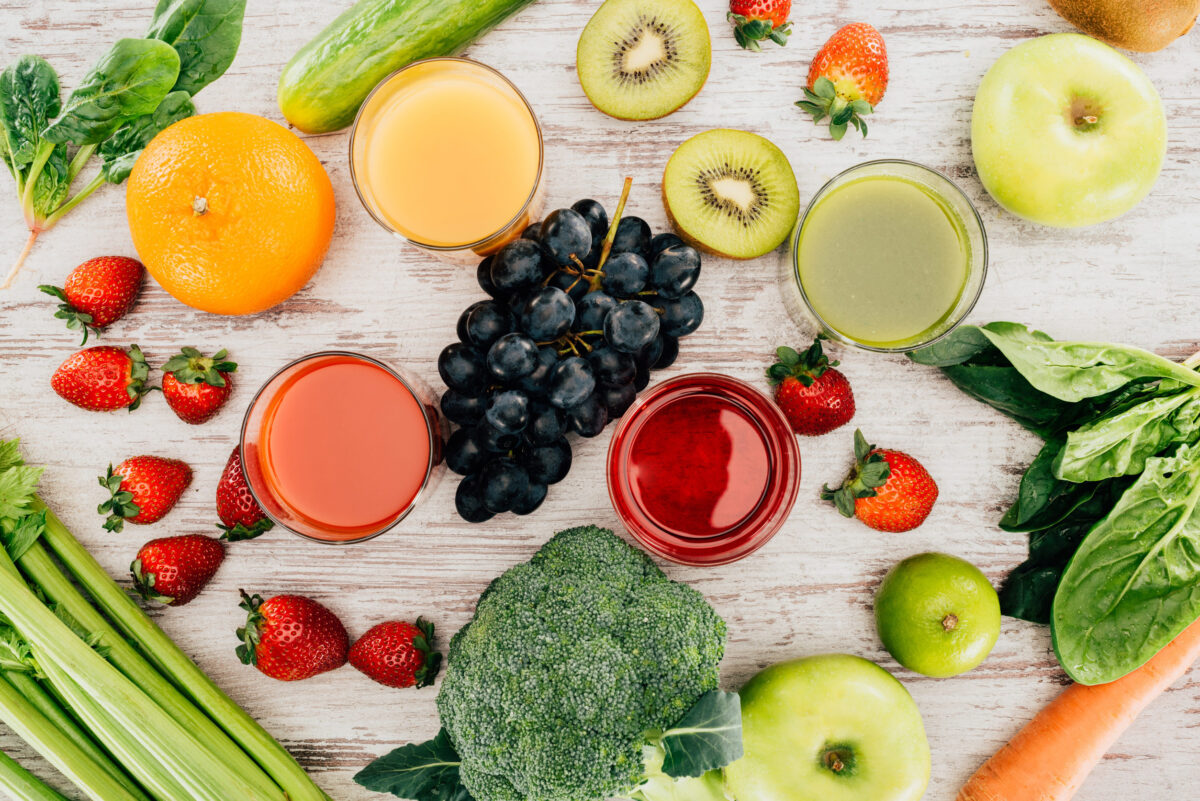
Not all juices are created equal, and the marketing behind these beverages can be quite deceptive. Many juices marketed as “healthy” may still be full of sugar, artificial ingredients, and empty calories. For example, fruit punch, even though it may contain some real fruit juice, is often packed with added sugars, artificial sweeteners, and little to no actual fruit content.
Even “green” juices, which are touted as super healthy for detoxing and boosting energy, can be surprisingly high in sugar. While they may contain spinach, kale, and other nutrient-dense vegetables, the juice also often includes fruits like apples and pineapples, which are high in sugar. The result is a juice that may contain more sugar than an average fruit juice, leaving you with fewer health benefits than expected.
A Better Alternative

If you love the taste of fruit and want to reap the benefits of its nutrients, eating whole fruits is the better option. Whole fruits provide not only vitamins and minerals but also fiber, which helps regulate your blood sugar, promotes satiety, and supports your digestive health. By eating fruits in their whole form, you’re getting a balanced package of nutrients that your body can process more efficiently.
For hydration, nothing beats water. Water is essential for your health and helps to keep your body functioning at its best. If you miss the taste of flavored drinks, try infusing your water with natural ingredients like cucumber, mint, or citrus for a refreshing twist without the added sugar.
Conclusion
While juice may seem like a quick and easy way to get your daily vitamins, it’s important to be mindful of the potential health risks associated with its consumption. The high sugar content, lack of fiber, excessive calorie intake, and additives and preservatives make juice a less-than-ideal choice for those looking to improve their health. Instead of relying on juice, incorporate whole fruits, vegetables, and water into your diet for a more balanced, nutritious approach to hydration and nutrition.
Ultimately, if you choose to drink juice, moderation is key. Opt for smaller portions, choose juices without added sugars, and balance your intake with other nutrient-dense foods. Your body will thank you for it in the long run.