7 Foods That Can Turn Dangerous When Stored Carelessly
A lot of people think food only becomes risky when it smells bad, looks slimy, or starts wearing a fuzzy coat of mold. That sounds sensible, but food safety does not always announce itself so politely. The CDC says 48 million people in the United States get sick from foodborne illness every year, and the FDA warns that food can make you very sick even when it does not look, smell, or taste spoiled.
The real trouble usually starts with time and temperature. USDA says bacteria multiply rapidly in the danger zone between 40 and 140 degrees Fahrenheit, and perishable food should not sit there for more than 2 hours, or 1 hour if the weather is above 90 degrees Fahrenheit. That means a harmless-looking meal can quietly become a bad decision if it is left out too long or cooled the wrong way.
Cooked rice that sits around too long

Rice has a reputation for being one of the easiest foods to save for later, but it is also one of the easiest to mishandle. Foodsafety.gov lists rice among foods linked to Bacillus cereus, a bacterium that can cause vomiting and diarrhea when cooked food sits out too long at room temperature.
The FDA notes that food poisoning from B. cereus can occur when foods are prepared and held without adequate refrigeration for several hours. Rice often fools people because it does not always smell off, and its texture can remain fairly normal even after sitting in risky temperatures. The smart move is to cool it quickly, store it in a wide, shallow container, and refrigerate it as soon as possible if it will be kept longer than 2 hours.
Foil-wrapped baked potatoes that stay warm for hours.

A baked potato feels harmless, almost boring, which is exactly why people do not suspect it. USDA and Foodsafety.gov both note that botulism illnesses have been linked to baked potatoes sealed in aluminum foil when they are mishandled.
The issue is not the potato itself, but the warm, low-oxygen environment that foil can create when the potato is left sitting too long, rather than being eaten promptly or chilled properly. A potato that stays wrapped on the counter after dinner or lingers in a lunch bag for half the day can move from comfort food to something much riskier. Once the meal is over, that potato needs to be eaten, kept hot, or cooled and refrigerated without delay.
Garlic in oil that looks fancy but stores badly
Garlic in oil feels upscale, restaurant-worthy, and perfect for anyone who likes building flavor ahead of time. The trouble is that Foodsafety.gov lists herb-infused oils and bottled garlic among foods linked to botulism, and the FDA Food Code identifies garlic in oil mixtures as products that can support pathogenic growth or toxin formation if they are not modified to prevent it. That makes homemade garlic oil far less casual than people assume.
Leaving it at room temperature on the counter for convenience is a risky habit, especially if it contains fresh garlic and has not been prepared with proper controls. It may look like a clever kitchen shortcut, but careless storage can turn it into a quiet hazard.
Delis meats that seem safe just because they are chilled
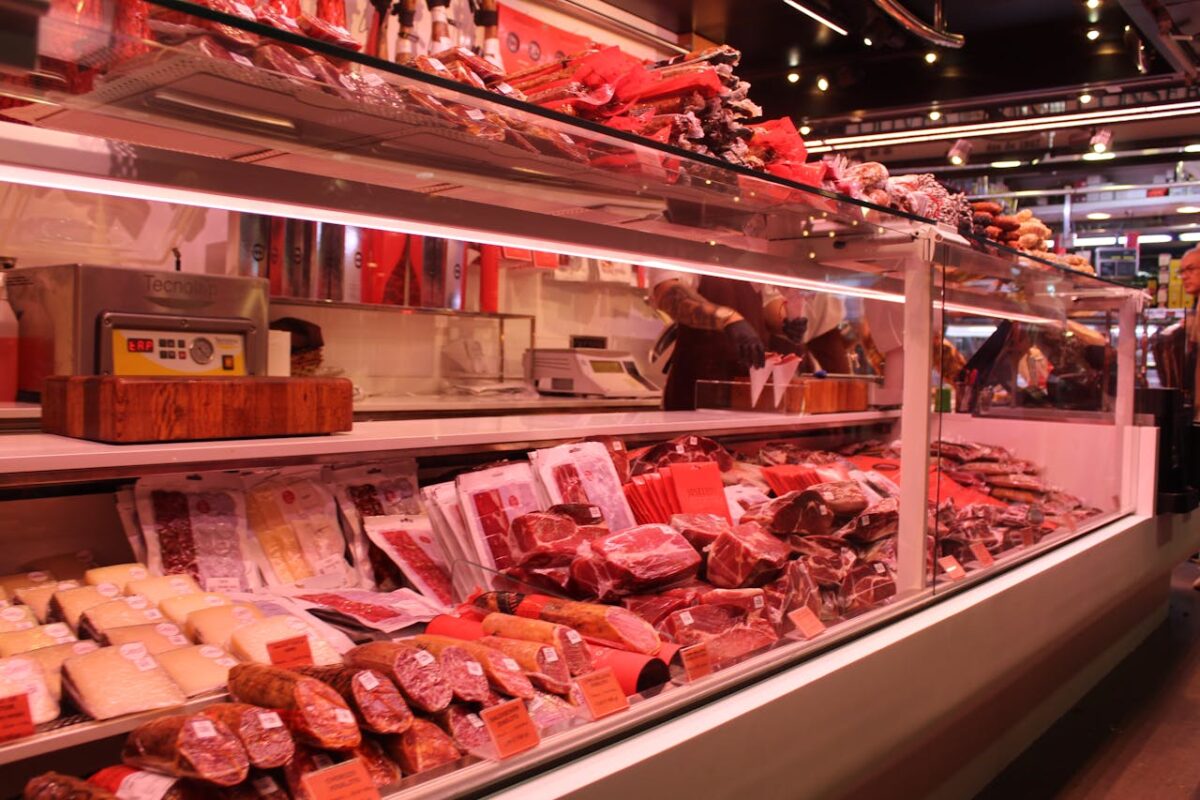
Many people see deli meat as ready-to-eat and, therefore, safe by default. The CDC says deli products can be contaminated with Listeria, that the bacteria spread easily among deli equipment, surfaces, hands, and food, and that refrigeration does not kill Listeria. That last point matters because people often believe cold automatically means protected. It does not.
The FDA also warns that refrigerated ready-to-eat foods such as luncheon meats should be used as soon as possible because Listeria has a greater chance to grow the longer they sit in the refrigerator, especially if the fridge is warmer than 40 degrees Fahrenheit. For higher-risk groups such as pregnant people, older adults, and those with weakened immune systems, the CDC advises reheating deli meat until it is steaming hot.
Cut melon that turns from refreshing to risky.

A whole melon can sit out just fine, which is why people often assume sliced melon can do the same. The FDA draws a sharp line between the two. It advises consumers to buy pre-cut produce only when it is refrigerated or surrounded by ice, and to refrigerate all pre-cut or packaged produce. Separate FDA melon guidance goes even further, stating that cut melons should be kept at 41 degrees Fahrenheit or below and can be displayed without refrigeration for only a limited time.
Once a melon is sliced, its juicy interior becomes much more vulnerable to bacterial growth. That fruit tray on the counter may still look fresh and bright, but its safety clock starts ticking the moment the knife goes in.
Bagged salads and cut leafy greens that warm up fast
Bagged salad has a health halo, and that halo can make people careless. The FDA recommends maintaining cut leafy greens at 41 degrees Fahrenheit or lower during storage and display, as warmer temperatures may allow surviving pathogens to multiply.
It also tells consumers to refrigerate packaged produce and to keep produce intended for eating raw separate from raw meat, poultry, and seafood. That means the danger is not only leaving salad out too long, but also storing it poorly in a crowded fridge or letting raw meat juices come into contact with it. A bowl of greens may look like the safest thing in the kitchen, yet once it is cut and bagged, it needs cold temperatures and careful handling to stay on your side.
This is where many careful home cooks still get tripped up. A huge pot of chili or stew feels safest when it is fresh off the stove, but if it is tightly covered and left to cool in a single deep container, it can stay in the danger zone for too long. Foodsafety.gov says Clostridium perfringens is linked to beef, poultry, gravies, and foods left for long periods at room temperature, and it advises refrigerating leftovers within two hours and dividing large amounts of food into shallow containers right away.
The FDA also recommends shallow containers for quicker cooling, while it says sauces, soups, and gravy should be brought to a boil when reheated. The danger here is not dramatic kitchen chaos. It is that very ordinary habit of letting a giant pot sit there because it seems too hot to deal with.
Conclusion
Food turns dangerous less often because it was bad to begin with, and more often because it was handled with too much confidence. Rice, potatoes, garlic oil, deli meat, melon, salad greens, and large leftover dishes all have one thing in common. They can look perfectly normal while harmful bacteria multiply in the background. Keeping your refrigerator at 40 degrees Fahrenheit or below, following the two-hour rule, cooling leftovers in shallow containers, and treating ready-to-eat foods with more respect can save you from a miserable mistake. In the kitchen, carelessness usually looks small right up until the consequences do not.