8 Shocking Foods Banned in the United States
Food is not just about nourishment; it’s an essential part of our culture, pleasure, and even identity. However, certain foods have been banned in the United States for health, environmental, or safety reasons. While these foods are still available in other parts of the world, American regulators have determined that they pose unacceptable risks.
Let’s take a deep dive into eight shocking foods banned in the U.S., exploring why they were prohibited and the impact on consumers.
Fugu
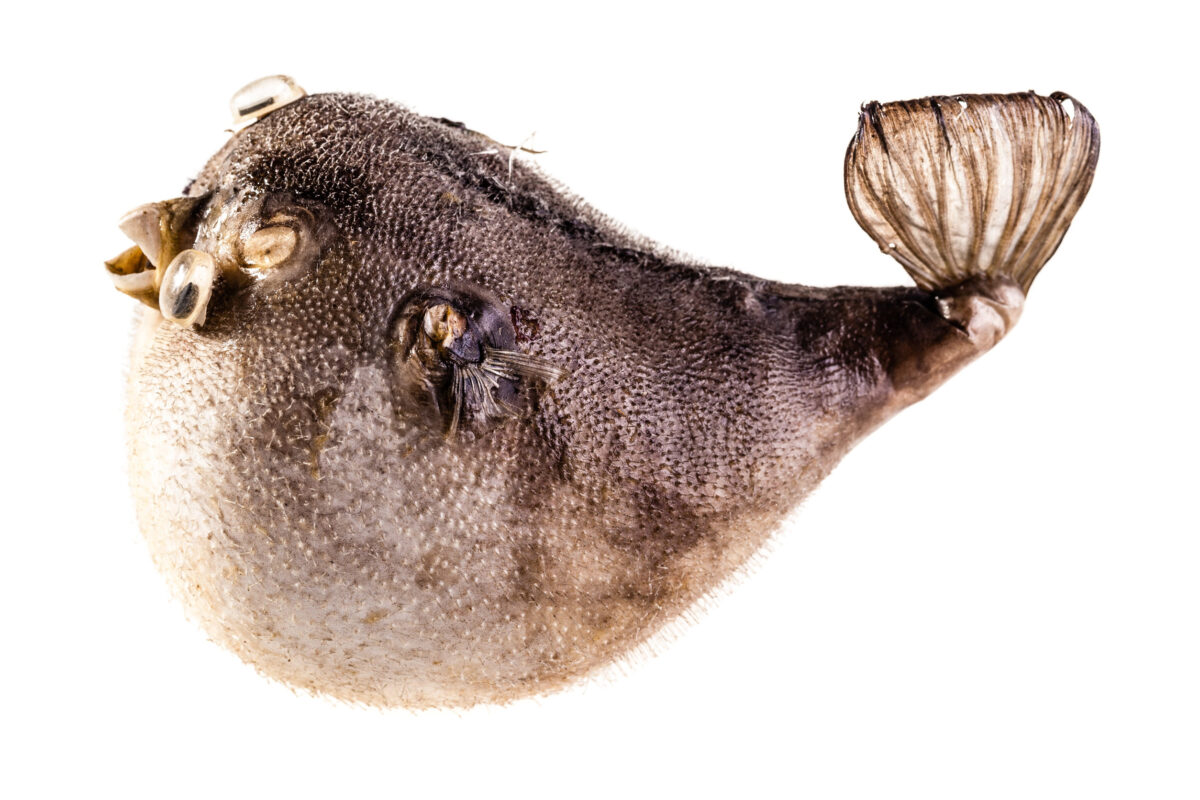
Fugu, or pufferfish, is a delicacy in Japan, where it’s prepared by highly trained chefs. The reason for its notoriety is the potent neurotoxin tetrodotoxin found in its organs, which is deadly if not prepared correctly. In the United States, fugu is banned because of the high risk of accidental poisoning. Preparing fugu requires extreme skill to ensure the toxic parts are completely removed. Even a small mistake could result in death, making it too dangerous for the average diner.
Despite its ban, fugu remains a fascinating dish in Japan, where it’s considered a test of a chef’s expertise. The U.S. has stricter food-safety standards, and the risk of improper preparation outweighs the allure of exotic cuisine.
Raw Milk
Raw milk, or unpasteurized milk, is another food that is banned in many states across the U.S., primarily due to health concerns. Pasteurization is a process that involves heating milk to kill harmful bacteria such as E. coli, Listeria, and Salmonella. Raw milk does not undergo this treatment, making it more likely to carry these dangerous pathogens.
Proponents of raw milk argue that it contains beneficial bacteria and enzymes destroyed by pasteurization, offering a range of health benefits. However, the Centers for Disease Control and Prevention (CDC) warns that the risk of consuming raw milk outweighs the potential benefits, and thus it remains banned or heavily regulated in most states.
Haggis
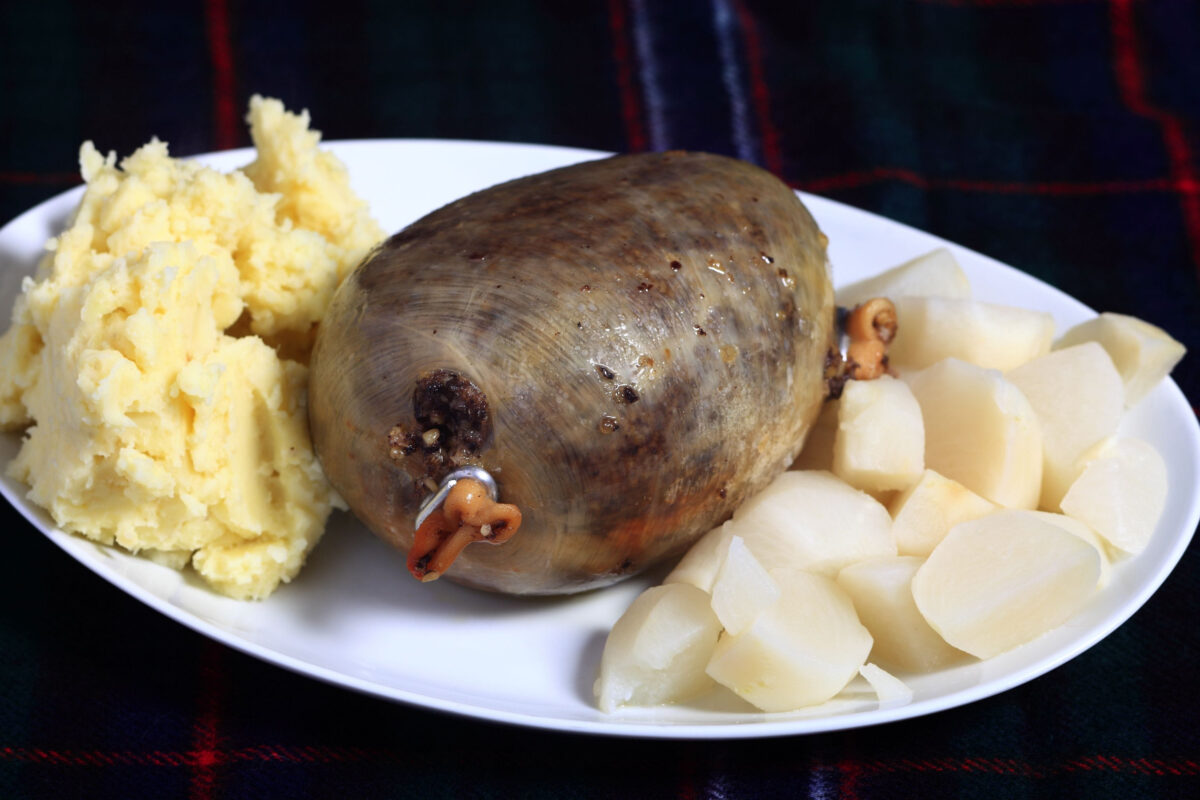
Haggis, the traditional Scottish dish made of sheep’s heart, liver, and lungs, is beloved in Scotland but banned in the United States. The U.S. Food and Drug Administration (FDA) prohibits the sale of haggis containing sheep’s lung because of concerns about the safety of consuming lung tissue, which can harbor dangerous pathogens.
Although haggis is typically cooked thoroughly, the ban on sheep’s lungs is due to concerns about diseases such as scrapie, a prion disease that affects sheep and could be transmitted to humans. While other parts of the dish are acceptable in the U.S., the ban on lungs makes it difficult for Americans to enjoy an authentic haggis experience.
Shark Fin Soup
Shark fin soup is a delicacy in some Asian countries, but its consumption has come under increasing scrutiny due to the devastating impact on shark populations. The U.S. has moved to ban shark fins in an effort to curb shark finning, a practice where fins are sliced off sharks and the rest of the animal is discarded back into the ocean, often while still alive.
Shark finning is illegal in many U.S. states, and as a result, shark fin soup is banned. The practice has been shown to contribute to the depletion of already vulnerable shark populations. By banning shark fins, the U.S. is attempting to protect marine ecosystems and promote sustainable seafood practices.
Kinder Surprise Eggs
Kinder Surprise Eggs are a popular treat in Europe, combining chocolate with a small toy hidden inside. However, these treats are banned in the United States under a law that prohibits non-food items from being embedded in food products. The concern is that children might accidentally choke on the toy, leading to serious health risks.
The U.S. Food and Drug Administration (FDA) strictly enforces this law, which is designed to protect children from potential hazards. While Kinder Eggs are available in other countries, U.S. regulators have determined that the risk of choking makes them unsafe for American consumers.
Red M&Ms
Red M&Ms were once banned in the United States due to concerns about Red 2, a dye linked to cancer. In the 1970s, the FDA banned the dye after studies showed that it could be carcinogenic. However, the ban on red M&Ms was lifted when manufacturers switched to safer food dyes, and red M&Ms returned to store shelves.
While the original concern was legitimate, today’s M&Ms are safe to consume, as the red dye used is no longer the harmful Red 2. The banning of Red 2 is an example of how food safety laws evolve as new information emerges about the risks posed by certain ingredients.
Casu Marzu
Casu marzu, an Italian cheese known for containing live maggots, is banned in the United States due to health concerns. The cheese, typically made from sheep’s milk, is intentionally infected with cheese fly larvae, which break down the cheese’s fats, making it soft and spreadable. In some cases, the maggots are alive when the cheese is eaten.
The FDA bans the sale of casu marzu because the live larvae pose a health risk, as they can harbor harmful bacteria that can cause foodborne illness. While it’s considered a delicacy in Sardinia, where it’s often consumed with the maggots still inside, it’s deemed too dangerous to be sold in the U.S.
Loquats

Loquats, a sweet fruit native to Asia, are not banned per se in the U.S., but there are significant restrictions on their importation. The fruit is often restricted because of its potential to carry pests and diseases that could harm American agriculture. The U.S. Department of Agriculture (USDA) imposes strict import restrictions on loquats, making it difficult for American consumers to enjoy the fruit unless it is grown domestically.
While the loquat is beloved in other parts of the world, the risk of introducing invasive species to U.S. soil has kept it off many grocery store shelves.
Conclusion
These eight foods reveal a fascinating and sometimes alarming look at how food safety laws are enforced in the United States. While some of these bans are due to legitimate health concerns, others reflect cultural differences and the evolving understanding of food safety. From the danger of pufferfish poisoning to the environmental impact of shark finning, these banned foods highlight the lengths to which the U.S. government will go to protect its citizens.
However, it’s important to note that just because a food is banned in the U.S. doesn’t mean it’s necessarily dangerous everywhere. Many of these foods are still enjoyed in other parts of the world with appropriate safety measures in place. Ultimately, these bans serve as a reminder that food safety is a complex and nuanced issue, in which science, ethics, and health concerns must be carefully weighed to ensure consumer well-being.
The ongoing debate about food bans and regulations underscores the importance of continually assessing the risks and benefits of what we consume. In some cases, the restrictions may feel unjust, but the goal remains the same: to protect the public and ensure that the foods we eat are safe, sustainable, and free from harmful substances.