6 Weird Things on Cruise Ships Most Passengers Never Expect to Find
Cruise ships may look like floating playgrounds, but beneath the surface, hidden systems keep thousands safe, healthy, and entertained. Behind every drink and pool lies a miniature city,far more complex than any brochure suggests.
Behind the brochure, cruise ships reveal oddities shaped by security, health codes, tradition, and quirky rituals. Here are six of the strangest features most passengers miss or find only after setting sail.
Jail Cells
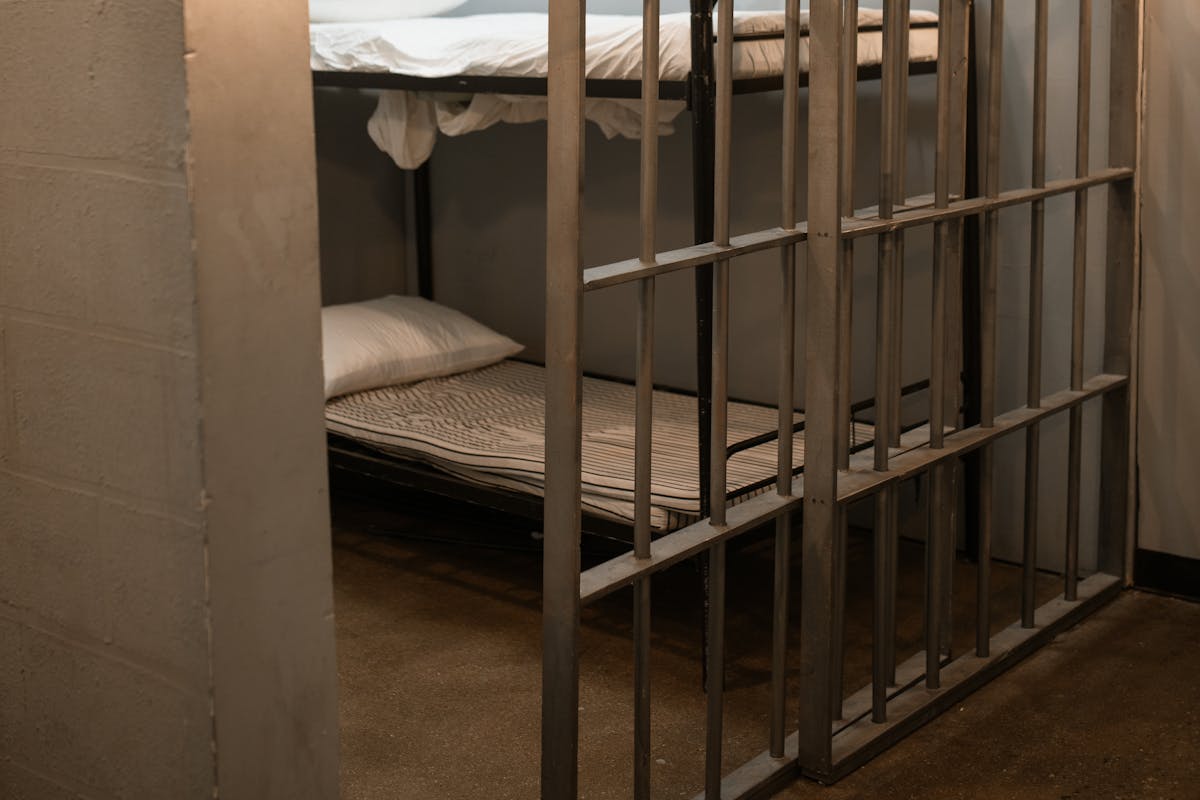
Cruise ships have strict rules, and serious misconduct can mean confinement in the ship’s brig—a real, if simple, holding cell for guests who become dangerous or disruptive. Sometimes, cruise lines will confine someone to their cabin under guard, but the brig is used when safety is at risk.
This shifts our view: cruise ships are sealed worlds where security teams must act fast, since there’s no easy way to send someone home at sea. The brig, though hidden by the vacation mood, is a practical feature for keeping order until landfall.
Morgue
Many cruise ships have a small morgue and carry body bags, since deaths can happen during long voyages. Most morgues hold three to six bodies. U.S.-bound ships must report onboard deaths to the nearest Port Health Station.
This is not about danger, but planning. Bodies stay in the morgue until the ship reaches port, involving authorities as needed. It’s a reminder that ships must be ready for life’s hardest moments—even while the party continues above.
Rubber Ducks
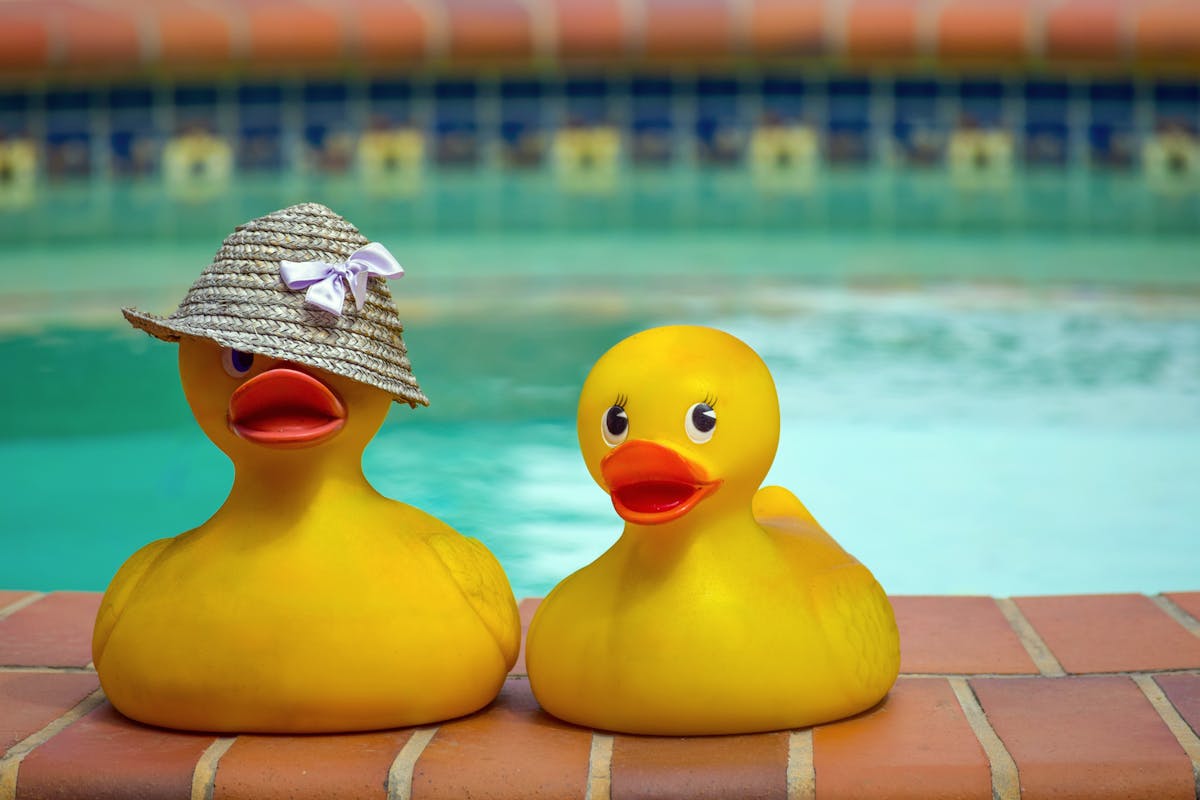
In recent years, passengers have hidden rubber ducks around ships for others to find, turning them into a floating scavenger hunt. What seems random to newcomers is often part of a giant informal game shared online and across cruise communities.
This playful tradition has even led some cruise lines to clarify their policies as the trend grows.
Not every cruise line allows ducks; Disney, for example, prohibits hiding items in staterooms or public areas. On some ships, they’re souvenirs; on others, they’re removed as clutter. Either way, ducks have become cruise folklore.
Crew Only Pools

Passengers usually only see the guest side, but crew members live in a parallel world with their own accommodations and amenities,sometimes including pools, gyms, bars, and lounges reserved just for them.
These hidden areas create a ship with two faces: the polished public resort for passengers, and the private backstage community that keeps everything running.
Magnetic walls
Many cruise cabin walls and doors are steel, so magnets stick to them, turning rooms into useful storage zones. Magnetic hooks let passengers hang essentials, but showers are usually tile or fiberglass and won’t work the same way.
It’s a small but practical surprise: seasoned cruisers love using magnets to add storage, while first timers rarely expect it.
Missing Deck 13
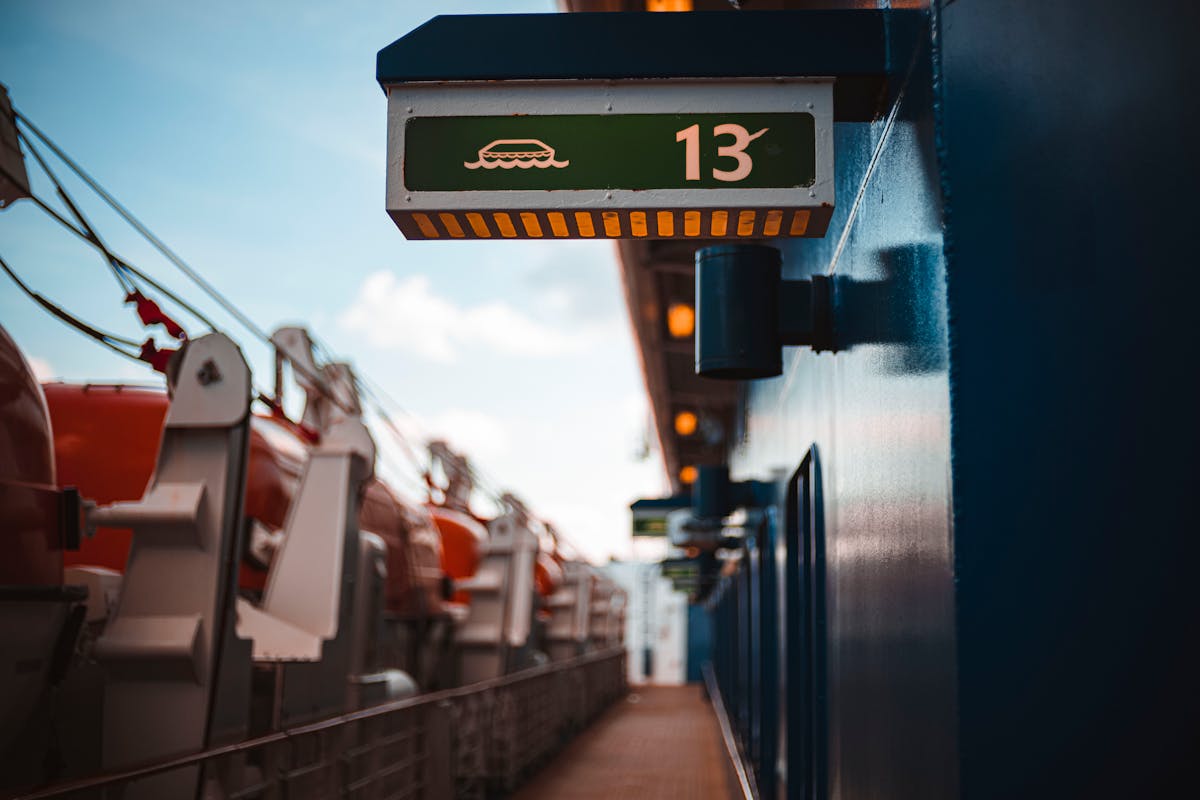
Some cruise ships skip Deck 13, jumping from 12 to 14, because many travelers associate 13 with bad luck. If there is a Deck 13, it’s often reserved for non-cabin spaces.
This small detail shows how tradition and superstition still shape modern cruising, even as ships grow more advanced.
Conclusion
The strangest part of cruising is not the unusual features but how they make sense once we remember what a cruise ship really is: a hotel, workplace, transport system, and community all stacked into one floating city with its own rules and rituals.
That hidden complexity is the appeal: the brig keeps order, the morgue handles emergencies, crew spaces sustain the staff, missing deck numbers show superstition, ducks reveal cruise culture’s playful side, and magnetic walls prove design at sea is never accidental.
The more we look, the stranger and more impressive cruise ships become.