10 Popular Foods That Can Quickly Go Bad If You Store Them Incorrectly
We’ve all been there,tucking away a fresh batch of groceries, thinking we’ve done everything right. But when we go to pull them out, we’re met with unpleasant surprises: wilted greens, moldy bread, or overripe fruit.
Storing food may seem simple, but a slight mistake can lead to rapid spoilage, turning what could have been a nutritious meal into a waste of money. Here are 10 popular foods that can go bad quickly if stored incorrectly, along with how to make sure they last longer.
Bread Can Quickly Go Stale or Moldy If Stored Improperly

Bread is one of those foods that can easily go bad if stored improperly. Tossing a loaf into the pantry and forgetting about it might seem harmless, but without proper airflow, bread can go stale or moldy in no time. If stored in a warm environment or sealed tightly in plastic, it traps moisture, which accelerates mold growth.
The best way to keep bread fresh is to give it room to breathe and store it in a dry, cool place. If you can’t finish the loaf within a few days, freezing it is always a good option.
Bananas Ripen Too Quickly If Left in the Wrong Spot
Bananas are notorious for ripening fast, and storing them improperly can speed up this process. Leaving them in a fruit bowl may seem like the obvious choice, but bananas emit ethylene gas, a natural ripening agent, which accelerates the aging of other fruits around them.
The best way to avoid overripe bananas is to keep them separate from other fruits. If you want to slow down their ripening process, putting them in the fridge can work wonders, though the peel may turn brown—don’t worry, the fruit inside will remain fresh.
Leafy Greens Can Wilt and Turn Slimy When Stored With Excess Moisture

Leafy greens like spinach, kale, and lettuce are incredibly delicate and can spoil quickly if exposed to moisture.
These greens need to stay crisp and fresh, but condensation from being packed too tightly or stored in non-breathable containers can cause them to wilt, rot, or become slimy. To preserve their freshness, greens should be kept in breathable bags or containers, with a few paper towels added to absorb excess moisture. If you want them to last longer, ensure they have enough space to breathe, so they don’t suffocate.
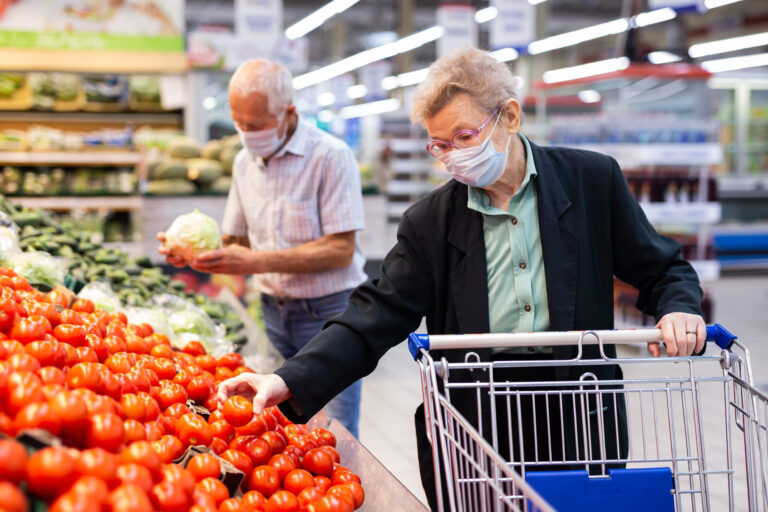
Tomatoes Lose Flavor and Texture When Stored in the Fridge
Tomatoes are often stored incorrectly, either in the fridge or near heat sources, both of which can harm their flavor and texture.
The cold from the fridge can cause tomatoes to lose their natural taste and become mealy, while keeping them in direct sunlight or in a warm place can cause them to ripen too quickly. The best way to keep tomatoes fresh is by storing them on the countertop at room temperature, away from sunlight. If they’re fully ripe and you’re not going to eat them soon, the fridge can extend their lifespan—but remember to bring them back to room temperature before eating to restore their flavor.
Cheese Becomes Dry or Moldy When Not Stored Properly

Cheese is a favorite for many, but it’s also one of the most misunderstood foods when it comes to storage. If cheese is exposed to too much air, it can dry out, mold, or lose its delicate flavor. On the other hand, storing it in an airtight container without proper ventilation can trap moisture, leading to spoilage. Soft cheeses like Brie require different storage than hard cheeses like Parmesan.
The key is to wrap cheese in paper, then store it in an airtight container. This method keeps the cheese from drying out while allowing it to breathe, which extends its shelf life.
Meat Can Spoil Quickly If Left Out at Room Temperature
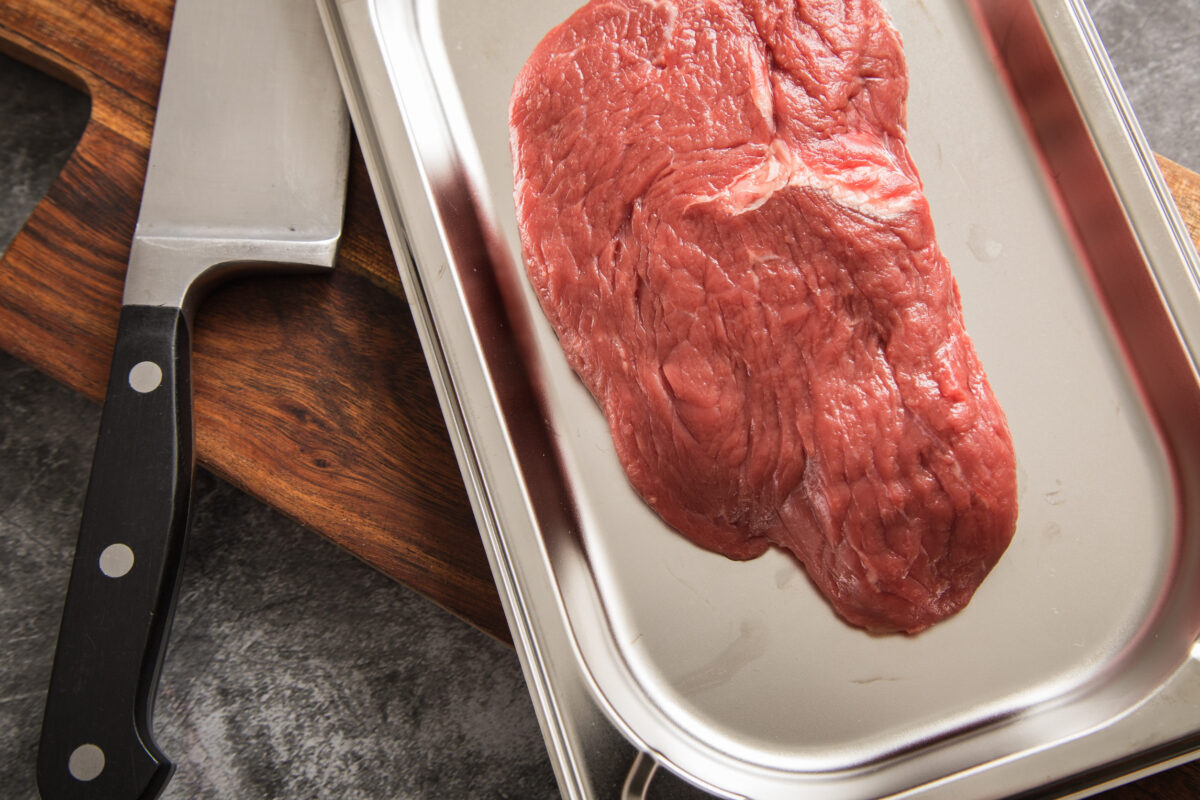
Meat is highly perishable and can spoil rapidly if not stored properly. Whether it’s beef, chicken, pork, or fish, raw meat requires careful storage to avoid bacterial contamination, which can cause foodborne illnesses. Storing meat at room temperature for even a short period can make it unsafe to eat.
To keep meat fresh, it should always be stored in the fridge or freezer, depending on how quickly you plan to use it. Vacuum sealing or tightly wrapping the meat helps protect it from air and moisture, further extending its shelf life.
Berries Spoil Quickly If Exposed to Too Much Moisture
Berries,strawberries, raspberries, blueberries, and blackberries are incredibly delicate, and they spoil quickly if not stored correctly.
They’re prone to mold and rot due to their high moisture content, which makes them sensitive to temperature and humidity. If you’ve ever bought a fresh batch of berries only to find them moldy after just a day or two, you know how quickly they can turn. To make them last, store berries in their original packaging, or place them in a shallow container with paper towels to absorb excess moisture. Don’t wash them until you’re ready to eat them to prevent premature spoilage.
Potatoes Should Never Be Stored in the Fridge or Exposed to Light
Potatoes might seem sturdy enough to be stored anywhere, but they’re surprisingly sensitive when it comes to where and how they’re kept. If potatoes are stored in the fridge, the cold temperature turns the starches into sugars, resulting in a sweeter taste and odd texture.
Additionally, potatoes stored in direct sunlight or in a warm environment can begin to sprout, becoming soft and inedible. To store potatoes properly, keep them in a cool, dry, and dark place, away from onions. Both need to be kept separate, as onions can speed up potato spoilage.
Apples Can Lose Crispness and Ripen Too Quickly If Stored Wrong
Apples are another fruit that can easily go bad if stored incorrectly. While they are hardy and less perishable than berries, improper storage can cause them to lose their crispness and flavor. Apples release ethylene gas, which speeds up the ripening process of nearby fruits and vegetables.
To keep apples fresh, it’s best to store them in the fridge, where they’ll stay crisp and last longer. If you plan to keep them at room temperature, separate them from other fruits to avoid quick over-ripening.
Avocados Ripen Too Quickly and Oxidize When Exposed to Air
Avocados are infamous for their quick ripening once they’ve reached peak freshness. Leave an avocado on the counter, and in a matter of days, it can go from perfectly ripe to overripe and mushy. Once cut, avocados oxidize quickly, turning brown and inedible within a few hours.
To slow the ripening process, store unripe avocados on the counter, and move them to the fridge once they’re ripe. If you’ve cut one open and have leftovers, wrap it tightly in plastic wrap and add a squeeze of lime or lemon juice to prevent browning.
Conclusion
Proper storage is essential to extending the shelf life of many popular foods. Even though some items seem sturdy enough to be tossed around without a care, improper storage can quickly turn them from fresh and appetizing to spoiled and unusable.
From bread to avocados, understanding how each food item behaves in different conditions can help reduce waste and save you money in the long run. Keep these storage tips in mind, and you’ll be able to enjoy your groceries at their best for much longer!