8 Surprising Old Foods That Have Stood the Test of Time
Food trends come and go, but some foods are so ancient that they’ve transcended time, evolving while still holding onto their rich legacies.
You’d be surprised by how many long-standing foods have survived across generations and continents. While modern cuisine thrives on innovation, these old foods have weathered the centuries and continue to captivate our palates. Let’s take a delicious journey through history and uncover the incredible stories behind 8 surprisingly old foods that are still a part of our lives today.
Bread

Bread is arguably one of the oldest foods in human history, with evidence of its consumption dating back to at least 14,000 years ago in the Fertile Crescent. Imagine that—our ancestors were baking bread long before the rise of agriculture! Initially, it was a simple mixture of wild grains and water, baked over an open flame, but over time, bread evolved into the delicious varieties we know today.
Despite the countless variations—sourdough, baguette, pita, and more—bread remains a staple in almost every culture. The reason? Bread’s ability to fill the stomach and offer nutritional value made it an essential food throughout history. Today, it continues to play a crucial role in cuisines worldwide, showing that even in a fast-paced modern world, the comforting taste of bread remains timeless.
Cheese
Who would have thought that cheese—a product that came into existence by accident—would become one of the world’s most beloved foods? According to legends, cheese was discovered over 4,000 years ago when ancient nomads stored milk in containers made from animal stomachs. The enzymes in the stomachs curdled the milk, creating cheese. Over time, this unintentional innovation evolved into the wide array of cheeses we enjoy today.
From soft, creamy brie to sharp, aged cheddar, cheese has transcended regional boundaries and is now a culinary essential in many cultures. The beauty of cheese lies in its versatility: it can be a standalone snack, part of a gourmet dish, or even transformed into a melted topping. The old-world techniques of cheesemaking continue to thrive, keeping this ancient food as relevant as ever.
Olives

Olives are far from just a Mediterranean delicacy—they’ve been cultivated and enjoyed for over 6,000 years. The olive tree is deeply embedded in Mediterranean culture, and its oil has been integral to religious ceremonies, health practices, and cooking traditions since ancient times. It’s believed that olive cultivation began in ancient Greece and spread across the region, influencing cuisines and even politics.
Today, olives remain a staple of Mediterranean cuisine, appearing in everything from salads and tapenade to pasta and cocktails. Olive oil, a product of the same fruit, continues to be revered for its health benefits. Whether eaten whole or used as a condiment, olives stand as a testament to the enduring appeal of foods that nourish both body and culture.
Honey
Honey isn’t just a sweet treatit’s a food that has been around for millennia, revered by ancient civilizations for its medicinal properties and rich flavor. Archaeologists have found honey in Egyptian tombs over 3,000 years old, and, remarkably, it was still perfectly edible! Honey’s long shelf life is attributed to its unique chemical composition, which inhibits the growth of bacteria and other microorganisms.
In addition to being an ancient sweetener, honey has held symbolic and medicinal significance in many cultures. From the Egyptians to the Greeks, honey was used to treat wounds and ailments, and it even appeared in religious rituals. In modern kitchens, honey is still a beloved ingredient, used in everything from baking to tea and even skincare. The enduring popularity of honey proves that some natural foods are simply meant to last.
Rice

Rice is one of the world’s oldest and most essential grains, feeding billions across the globe. Archaeological evidence suggests that rice cultivation began in ancient China more than 10,000 years ago, with early civilizations relying on this humble grain as a primary food source. Over time, rice spread to India, Southeast Asia, and the Mediterranean, where it became a staple ingredient in countless dishes.
What makes rice so remarkable is its adaptability—it pairs with virtually any protein or vegetable, making it the perfect canvas for a wide range of flavors. It’s a cornerstone of global cuisines, from Asian stir-fries to Latin American rice dishes like paella. Whether steamed, fried, or in a pudding, rice remains a beloved food that has endured for centuries.
Wine
Wine is one of the oldest alcoholic beverages known to humanity, with evidence of its production dating back 6,000 years in Georgia. Over the centuries, wine has been intricately linked to religious rituals, ancient feasts, and cultural celebrations. Ancient Egyptians, Greeks, and Romans all drank wine, and each society developed distinct winemaking techniques that are still practiced today.
The enduring appeal of wine lies in its complexity, flavors, and ability to enhance social occasions. Wine continues to evolve, with modern winemakers pushing the boundaries of flavor profiles and techniques while honoring centuries-old traditions. Whether enjoyed in a fine restaurant or at a casual dinner party, wine is a timeless beverage that links us to our ancient ancestors and their love for fermented beverages.
Tea
Tea is not only one of the most popular drinks worldwide, but it’s also one of the oldest. The origins of tea are steeped in legend, but the most commonly accepted story traces tea back to China in 2737 BCE, when Emperor Shen Nong accidentally discovered tea leaves falling into a pot of boiling water. From that moment, tea became an integral part of Chinese culture before spreading to Japan, India, and eventually the Western world.
Today, tea is still consumed daily by millions, and it remains an essential part of cultural rituals in many countries. From the Japanese tea ceremony to British afternoon tea, the tradition of tea drinking has evolved but retained its deep roots in history. Tea’s soothing properties, varied flavors, and versatility ensure that it remains a popular choice for refreshment and relaxation.
Pickles
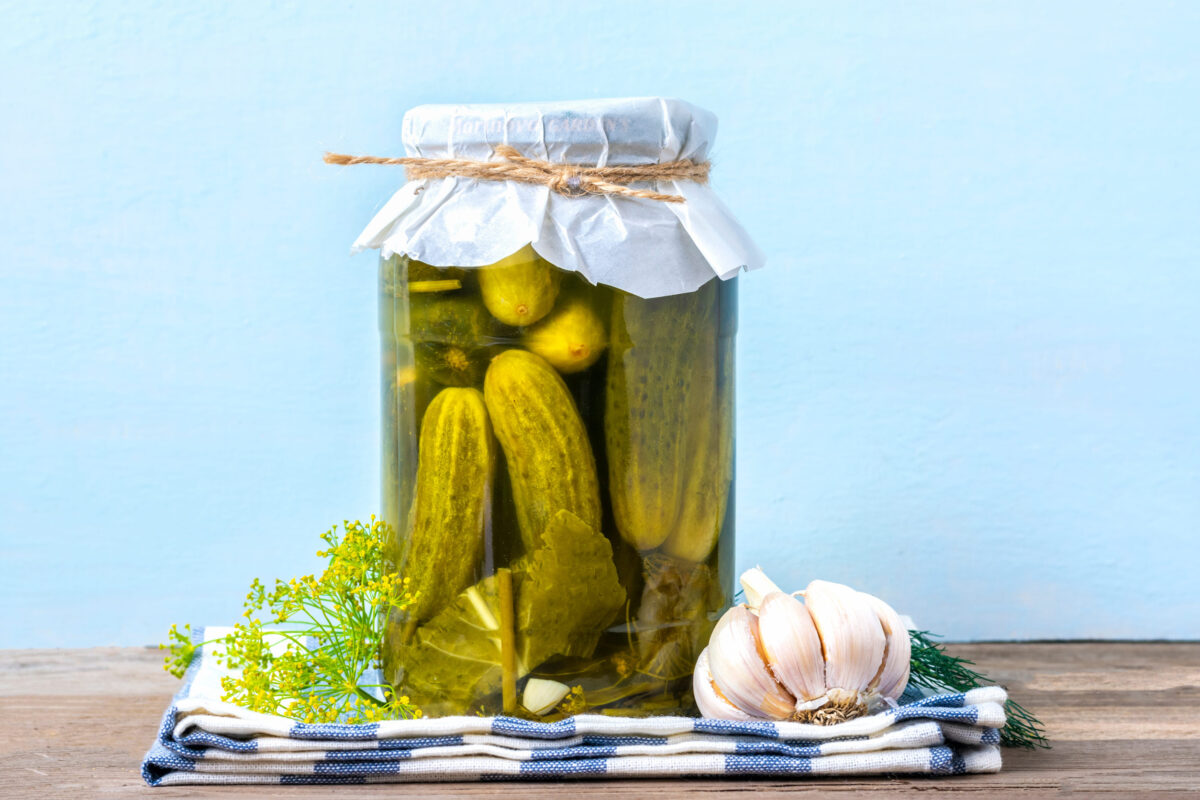
Pickling is one of the oldest food preservation techniques, dating back to ancient Mesopotamia, around 4,000 years ago. Originally, the process of pickling allowed people to store vegetables and fruits for months, particularly during times when fresh produce wasn’t available. The technique involves soaking food in brine or vinegar, which not only preserves it but also adds a burst of flavor.
From cucumbers to carrots, pickled foods have spread across cultures, each adding their own twist to the process. In the modern world, pickles are enjoyed as a tangy snack, condiment, or side dish. Their zesty, salty goodness ensures that pickles remain a favorite, proving that an ancient method of preservation can still thrive in today’s culinary landscape.
Conclusion
These surprising old foods have withstood the test of time, evolving to suit the tastes and needs of countless generations. What’s fascinating about them is not just their ability to adapt but also their deep connection to human culture and history. While food trends may come and go, these ancient staples continue to provide sustenance, joy, and comfort across the globe. So the next time you sit down to enjoy a slice of cheese, a fresh loaf of bread, or a cup of tea, take a moment to appreciate the timeless journey these foods have traveled.