15 Cruise Dining Hacks for Better Food and Lower Costs at Sea
Cruise ships love to sell the fantasy of endless indulgence, but the truth is a little less glamorous once the extra charges start stacking up. One innocent specialty dinner turns into a drink upgrade, then a snack stop, then room service, and suddenly your supposedly prepaid vacation starts acting like an open tab. Cheapism’s April 13, 2026, roundup makes one thing clear: the smartest cruisers do not necessarily spend more; they simply know how to work the dining system better.
The good news is that cruise dining has far more flexibility than many first-time passengers realize. Menus can be tweaked, desserts can be doubled, snacks can be saved, and timing can completely change the quality of your experience. Once you stop treating the ship like a rigid restaurant and start treating it like a floating opportunity, the food gets better, and the bill gets smaller.
Use the buffet like your personal room service.
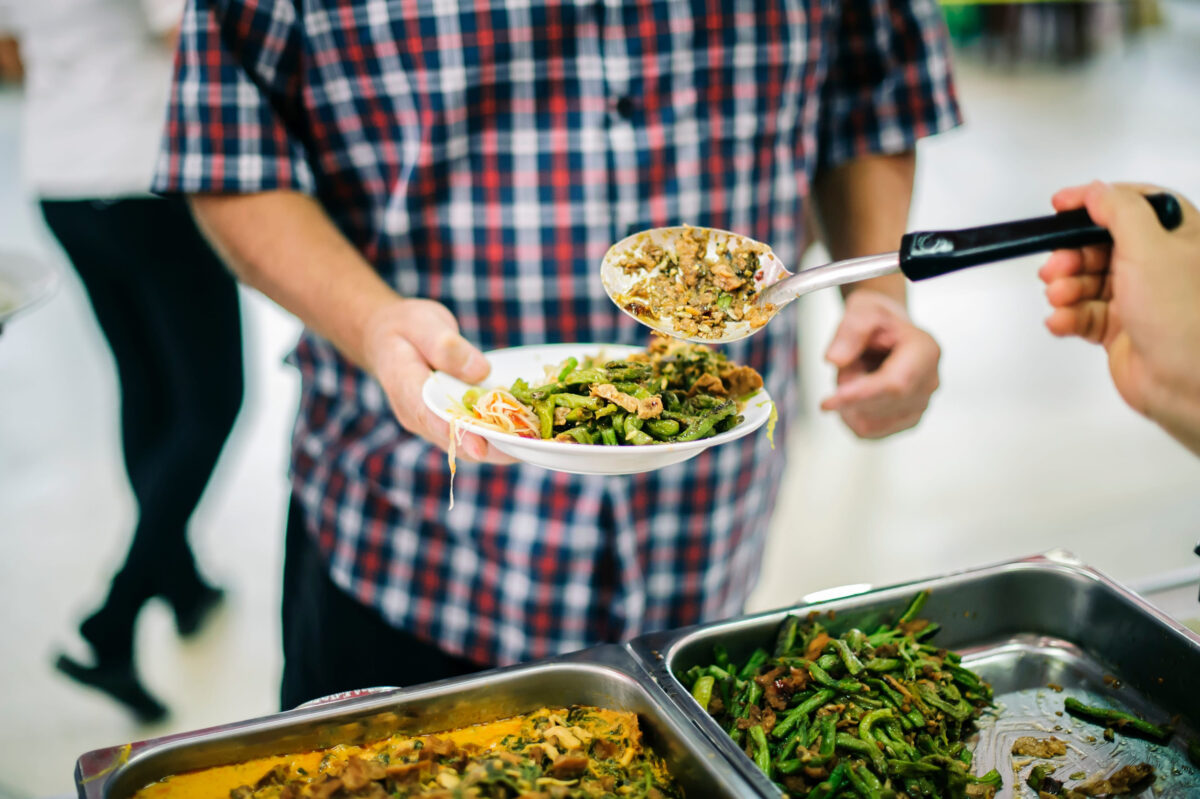
One of the easiest money-saving moves on a cruise is skipping paid room service and building your own meal from the buffet.
You get to choose exactly what you want, avoid service fees, and enjoy the same relaxing in-room moment without paying extra for the privilege. It feels even smarter when you carry that plate out to your balcony and realize the expensive version would not have tasted any better.
Book specialty dining on the first night
Cruise lines often push dining promotions early in the trip because they want passengers to commit before routines settle in.
That means the first night can come with discounts, bundled extras, or perks like a complimentary glass of wine that may disappear later. If you plan to splurge once, this is usually the most strategic moment to do it.
Track down the free soft serve before everyone else does
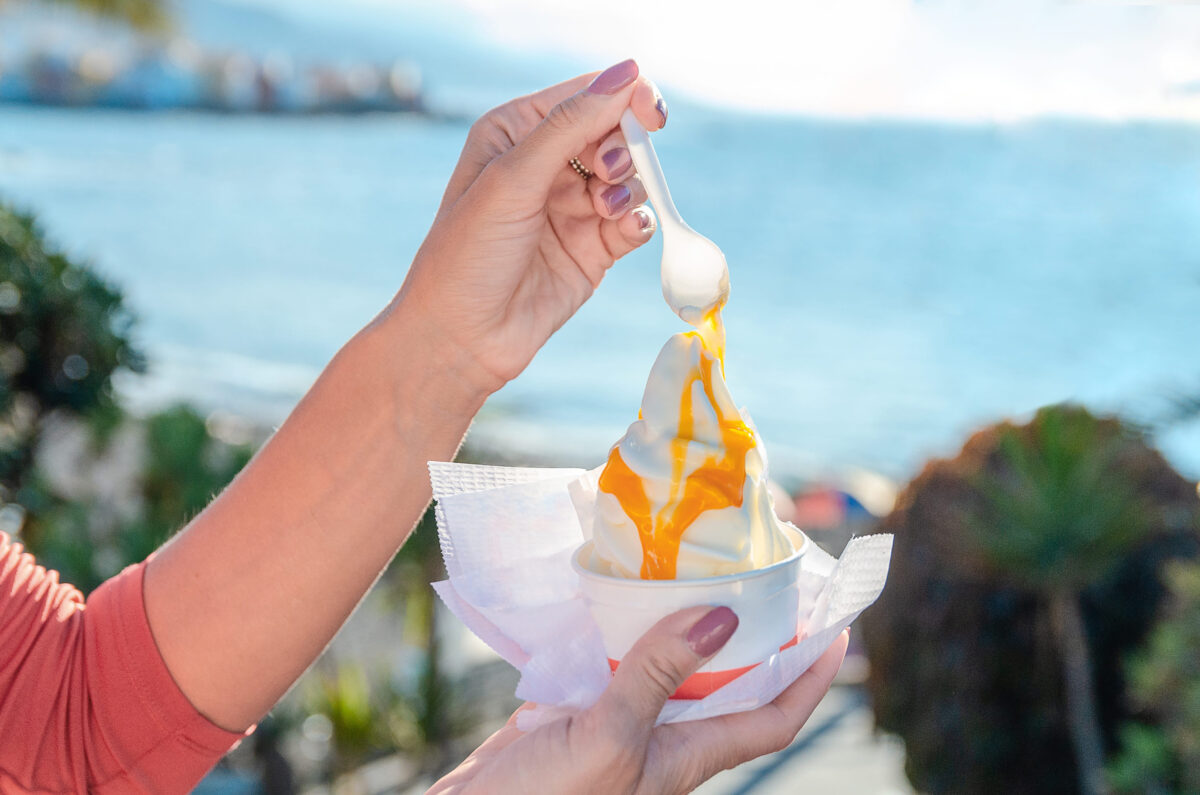
Free soft serve is one of those cruise perks that feels small until you realize how often it saves you from buying dessert elsewhere.
It works as an afternoon cool-down, a late-night snack, or a fast fix when the dessert line in the dining room looks too long. The trick is finding the machine early in the trip so it becomes part of your routine instead of a lucky accident.
Be nice to the bartender even if you are not drinking alcohol.
A good bartender can quietly improve your cruise experience in ways the drinks menu never advertises. They can point you toward better options, help with simple custom requests, and sometimes turn a plain soda or juice into something that feels far more enjoyable with little touches like fruit or creative mixing.
Friendly service often starts with friendly passengers, and that social currency can go farther than people expect.
Pack your own drink helpers.
Cruise beverages can drain your wallet at almost insulting speed, especially if you like specialty coffee, flavored water, tea, or fizzy drinks beyond the standard options. Bringing powdered drink mixes, instant coffee, tea bags, or small flavor packets gives you more control and helps you dodge overpriced onboard purchases.
It is not glamorous packing, but it is one of the least flashy decisions that saves the most.
Hunt for hidden breakfast spots
Most passengers stampede toward the most obvious breakfast venues, then act surprised when the lines are miserable, and the atmosphere feels chaotic. Smaller or lesser-known breakfast spots can be calmer, cleaner, and sometimes offer better-made-to-order options than the busiest buffet area.
A quieter breakfast can completely change the mood of your day, especially on sea days when patience starts running thin.
Stop ordering the dining room menu like it is a fixed rulebook.
Many travelers treat the main dining room menu as if it were a formal script that must be followed in exact order. In reality, you can often share appetizers, ask for half portions, skip courses, double up on dessert, or reorder favorites on another night if the staff can accommodate it.
That flexibility turns the dining room from a routine meal into a way to get more value without looking cheap.
Split the expensive stuff.
Specialty restaurants can be worth trying, but they become much easier to justify when you stop thinking in full individual portions.
Sharing a high-end entrée or combining multiple smaller dishes lets you sample more without committing to a bloated bill or a heavy meal that leaves you waddling back to your cabin. On a cruise, tasting widely often feels better than eating in large quantities.
Ask for off-menu help without feeling awkward.
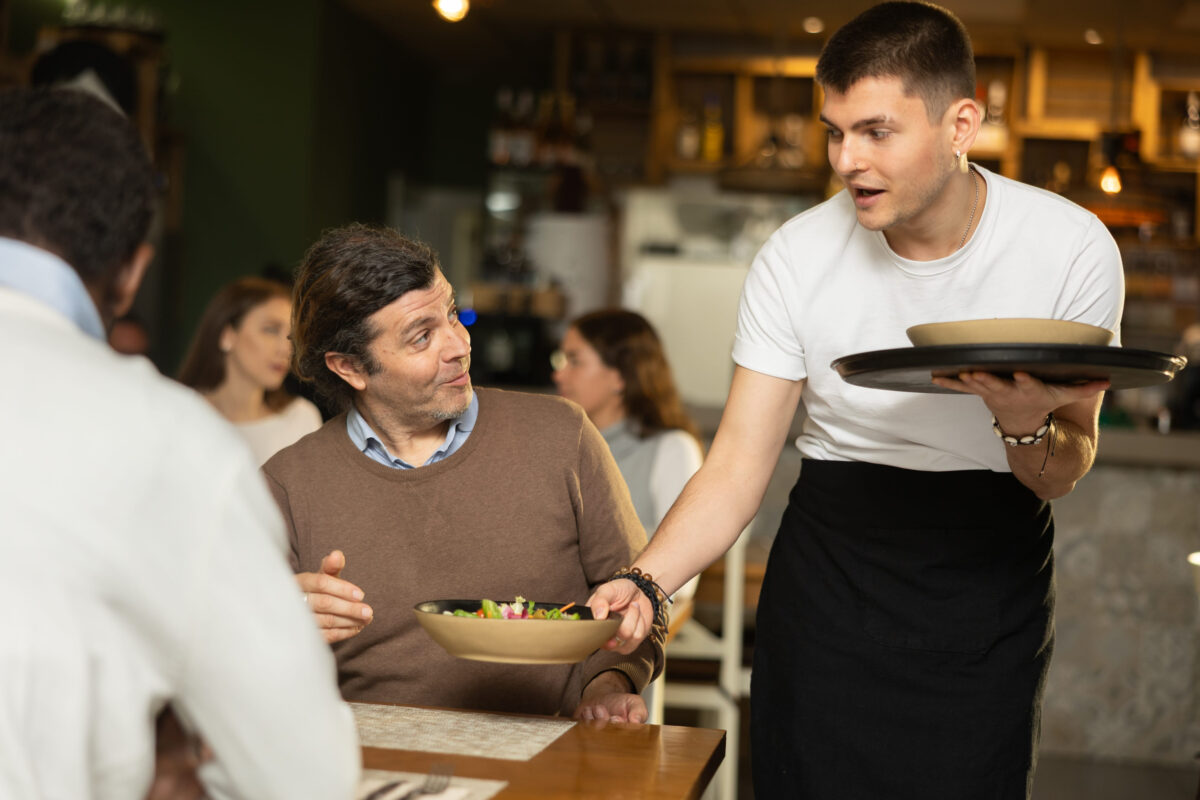
A surprising number of cruise passengers never ask for anything beyond what is printed in front of them. That is a mistake, because ships often handle simple modifications, dietary adjustments, or custom combinations far more easily than people assume.
Sometimes the best dining hack is simply realizing that polite questions unlock options the menu never mentioned.
Build a private snack stash in your cabin.
Cruise hunger rarely arrives on a perfect schedule. It shows up after the show, between excursions, during a lazy afternoon, or right when every convenient option seems crowded.
Grabbing fruit, cookies, pastries, or other easy snacks from permitted venues and keeping them in your cabin gives you a safety net that saves money and protects you from the impulse purchases that can leave you desperate.
Bring a simple food-carrying tool.
This sounds almost too practical to matter, but it does. A basic tray, container, or easy carrying setup makes it much easier to move breakfast, snacks, or late-night treats back to your room without juggling plates like a nervous street performer.
Convenience changes behavior, and when transporting food becomes easier, you are far less likely to pay extra just because the cheaper option feels annoying.
Read the menus before hunger makes the decision for you.
The ship app and daily schedule are more valuable than many passengers realize.
They can show you menus, dining times, pop-up food events, and specialty offers before you make random choices based on whatever is nearest. Cruise dining gets more expensive when you drift through it thoughtlessly, so a little planning can protect both your appetite and your wallet.
Use breakfast room service strategically when it is included.

A quiet breakfast in your cabin can be one of the most satisfying parts of a cruise, especially when the ship is waking up and the public spaces still feel frantic.
If your line includes complimentary breakfast room service, using it wisely can help you avoid crowds early and then enjoy other dining venues later when the rush has eased. It is less about luxury and more about timing, and timing is often the secret ingredient behind a better cruise meal.
Bring allowed drinks and know the policy before boarding
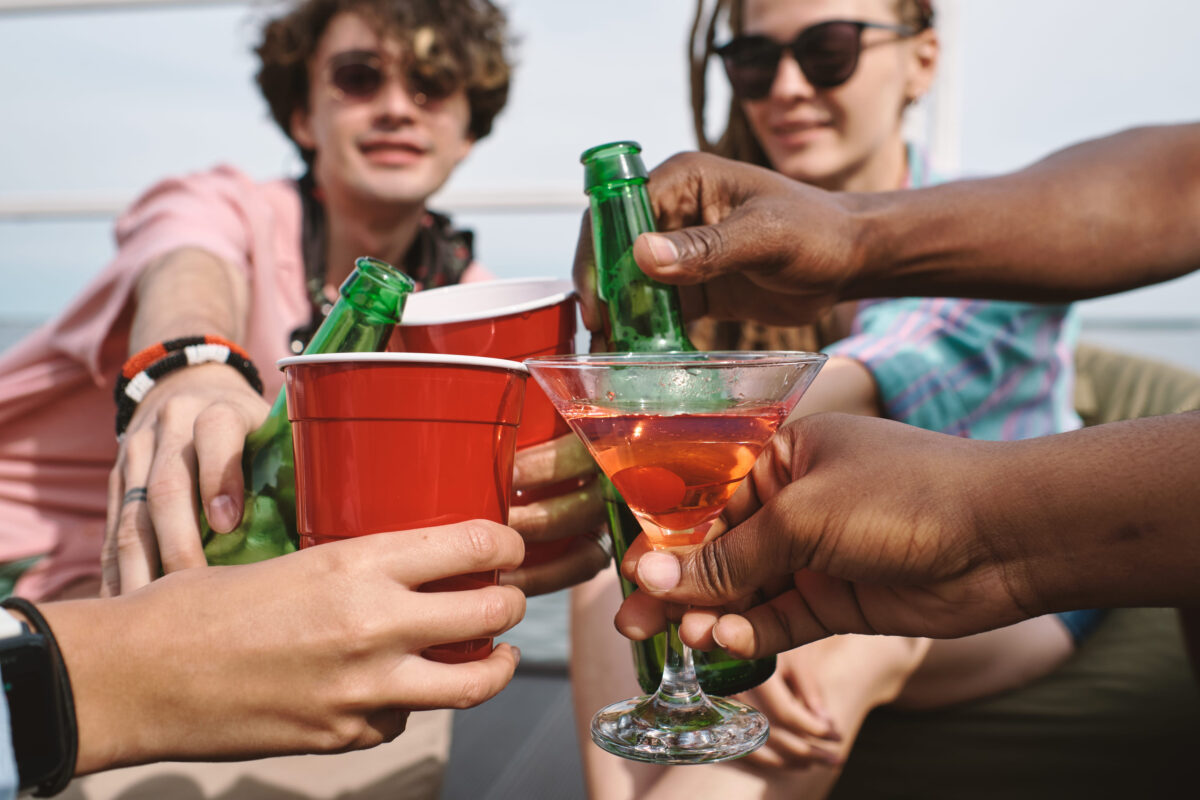
Some cruise lines allow guests to bring limited beverages onboard, and that can make a real difference if you want wine in your cabin or a familiar drink without paying ship prices.
The important part is checking the exact rules before you pack, because policies vary by cruise line and the limits can be specific. A smart saver reads the fine print before the suitcase closes.
Turn dessert into a game instead of a purchase.
Cruise dessert becomes more fun when you stop treating it like a formal end-of-meal event. Free soft serve, buffet cookies, and take-away sweets can be mixed, saved, and enjoyed later in your room or out on deck when the mood is right.
That small shift makes dessert feel less like another upsell and more like one of the best included perks on the ship.
conclusion
Cruise dining can either be a budget trap or a quiet victory, and the difference usually comes down to awareness.
The passengers who eat best are not always the ones paying for the most premium experiences; they are the ones paying attention to timing, flexibility, and the loopholes hiding in plain sight. Master these simple habits, and your next cruise meal might taste even better because it won’t come with unnecessary regret.
Output in