Trump’s Iran Threat Sparks Major Calls for His Removal from Office
The rhetoric coming from President Trump is shaking the political landscape to its core. His recent threat to obliterate Iran in response to its refusal to meet U.S. demands has pushed Democrats to a breaking point, fueling loud calls for his removal from office. This isn’t just about political disagreement anymore; it’s about whether the president’s conduct has become a threat to global stability and the moral integrity of the White House.
Democrats’ Growing Push for Trump’s Removal
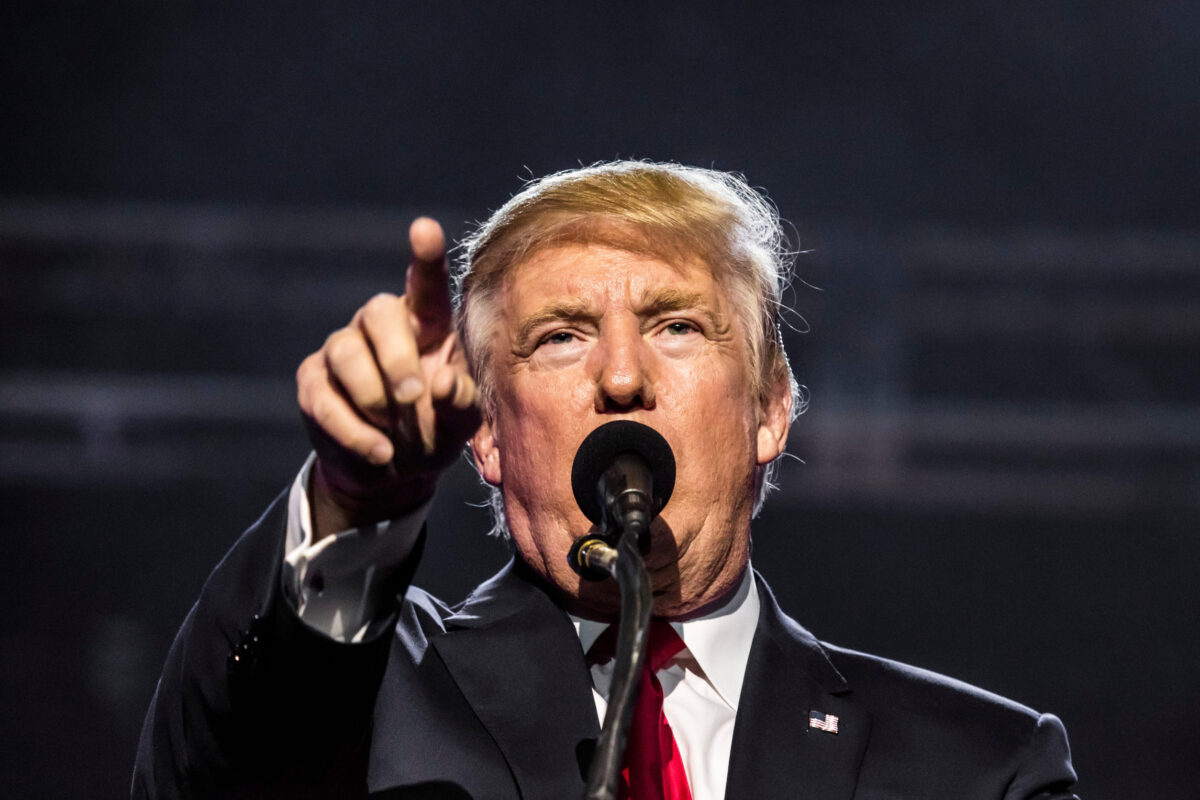
In the wake of President Trump’s threat to destroy an entire civilization, Democratic lawmakers are amplifying their calls for his removal. What once seemed like a remote possibility has rapidly gained traction across party lines. More and more voices are now demanding that Trump either face impeachment or be removed via the 25th Amendment, a constitutional procedure that allows the vice president and Cabinet to declare a president unfit for office. The timing of this push highlights the intensity of Democratic frustration and the unprecedented nature of Trump’s rhetoric.
The 25th Amendment
The 25th Amendment may seem like an extreme measure, but it’s now part of the conversation. While it requires both the vice president and the Cabinet to agree on the president’s incapacity, the potential to invoke it reflects the seriousness with which Democrats are viewing the situation. It’s a highly political and complex process that requires two-thirds of each chamber of Congress to support it. As unlikely as it seems, the growing calls for using this tool show just how far the conversation has moved beyond mere political opposition.
Impeachment
Impeachment has always been a tool Democrats have used to challenge Trump, yet it remains largely symbolic due to Republican control of Congress. The issue isn’t whether the votes are there; it’s the lack of leverage to make any removal effort a reality. Still, with Trump’s latest threat, some Democratic lawmakers argue that impeachment is not just an option but a moral imperative. The question now is not whether they will push for it, but whether they can build enough momentum to challenge the political reality that gives Trump the upper hand in Congress.
The White House Defends Trump’s Threats
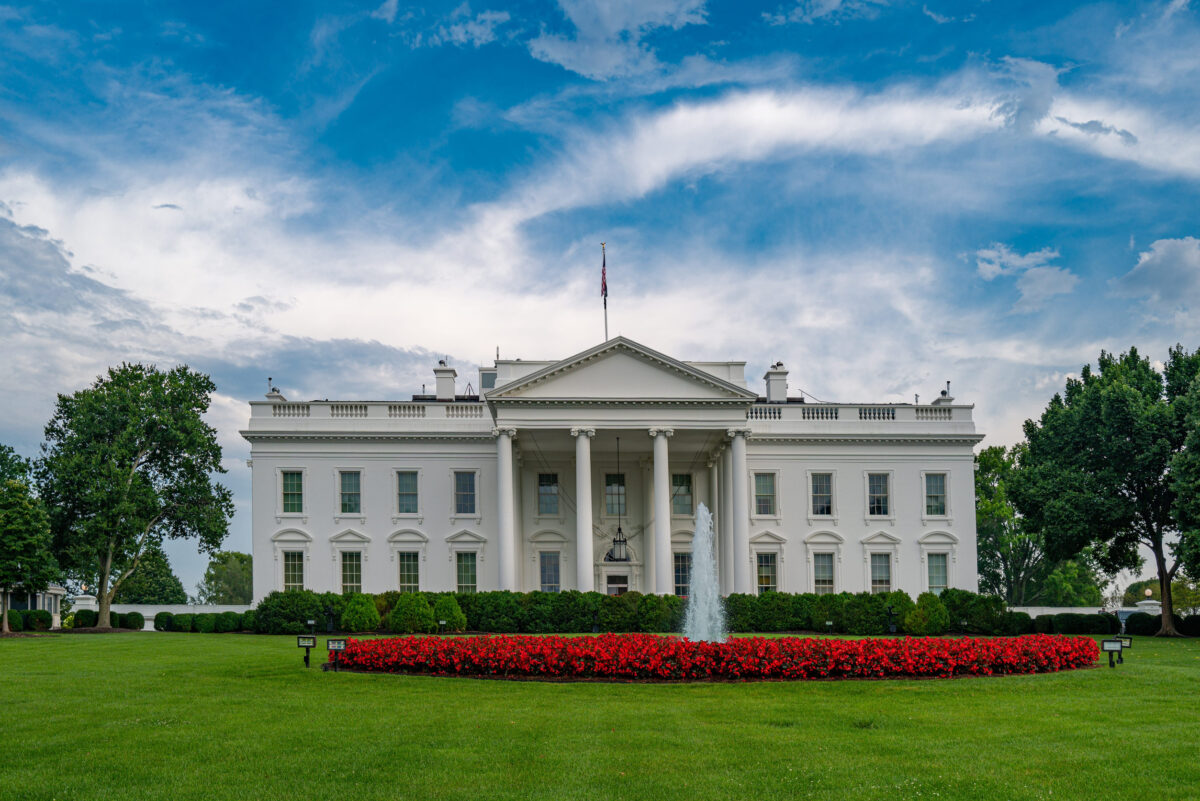
As the uproar grows, the White House is standing firm behind Trump’s actions. Press Secretary Karoline Leavitt has defended the president’s fiery rhetoric, claiming that it ultimately led to the Iranian government backing down and agreeing to a ceasefire. But this defense misses the point of what many Democrats are calling “dangerous and reckless” behavior. For them, it’s not about the outcome of the threat; it’s about what that language represents and the international consequences it may trigger.
Public Outcry Amplifies the Debate
Public response to Trump’s rhetoric has been overwhelming, with congressional offices flooded with calls and emails. The intensity of the public reaction is not just coming from partisan sources; it’s a grassroots swell of concern from everyday Americans worried about the president’s power and judgment. The urgency in the air is palpable, and it’s becoming harder for lawmakers to dismiss it as just another political argument. Whether this translates into actionable change will depend on Democrats’ ability to maintain this momentum amid political gridlock.
The War Powers Battle

Amid the impeachment and 25th Amendment discussions, another crucial front is emerging: war powers. Democrats are pushing for legislation that would require Trump to seek congressional approval before escalating military actions, especially in Iran. This move aims to check presidential power and restore some balance to the war powers Congress originally intended to keep in its hands. Though Republicans have successfully blocked such efforts so far, this issue will continue to be a point of contention as long as the potential for military action remains on the table.
The Struggle for Accountability and Power
While impeachment and the 25th Amendment are the most talked-about options, they both face enormous hurdles. The real challenge for Democrats is finding ways to hold Trump accountable through practical legislative means. As pressure mounts on both sides of the aisle, the focus may shift toward other mechanisms of accountability, whether that means pushing the president into a corner through public hearings or crafting laws that limit his unilateral ability to take drastic military actions.
A Constitutional Crisis?
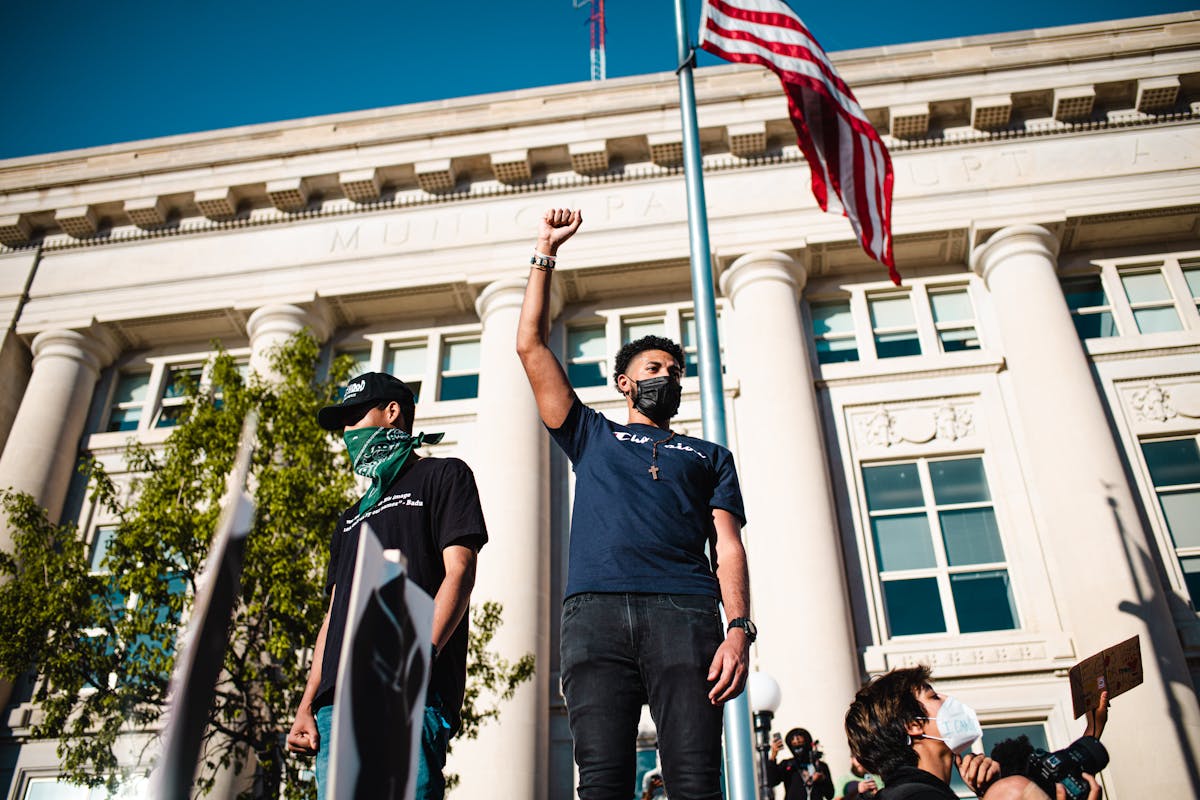
At the heart of this political firestorm is a fundamental question: What does it take to hold a president accountable in times of crisis? The tools may be there, but the will to use them is still up for debate. The conversation about the 25th Amendment, impeachment, and war powers is not just about political gamesmanship; it’s about a larger battle for the future of the presidency and the limits of executive power.
Conclusion
This isn’t just about a president making inflammatory statements; it’s about whether his behavior should be tolerated in the face of grave threats to international peace. For Democrats, Trump’s actions have moved from the realm of political contention into the sphere of constitutional danger. With impeachment and the 25th Amendment back on the table, the next phase of this fight will likely be about forcing accountability in a system that, for the moment, seems to have few tools left to stop a president who will not be reined in.