10 Cleaning Mistakes That Make Your Home Dirtier
While we all want a clean, fresh home, many of us are unknowingly making common cleaning mistakes that only make our spaces dirtier. From using too much product to neglecting high-traffic areas, these everyday missteps could be spreading dirt and bacteria faster than you can clean them up.
In this article, we’ll show you the 10 cleaning mistakes that could be sabotaging your efforts, and what to do instead to maintain a truly spotless home.
Using Too Much Cleaning Product

You might think that using more cleaning products means better results, but that’s not always the case. Overusing cleaning solutions can actually leave behind a sticky residue that attracts dirt and dust faster than you can clean it. When you apply too much cleaning solution, it can seep into surfaces, leaving behind a film that not only makes your home look dirtier but also contributes to poor air quality.
The buildup of product on counters, floors, and other surfaces can cause streaking, making your home look like it’s never truly clean. Additionally, excess product can create waste and impact the environment, which is counterproductive to maintaining a sustainable home.
Not Changing Cleaning Cloths Regularly
Using the same cloth throughout your cleaning session might seem like a time-saver, but it’s actually one of the biggest cleaning mistakes you can make. If you’re not swapping out your clothes regularly, you’re just redistributing dirt and germs around your home.
When you reuse a dirty cloth, you’re spreading bacteria, dust, and grime to other areas. This leads to unsanitary conditions that might not be immediately visible but can be detrimental in the long term. It’s important to have multiple cloths ready for each task and to wash them frequently to ensure that you’re actually cleaning, not just moving dirt around.
Ignoring the Dusting Sequence

Dusting first might seem like a good idea, but it’s actually better to do it last. If you’re dusting before vacuuming or mopping, you could be creating more work for yourself. To prevent dust from settling on already-cleaned surfaces, always dust surfaces first, then finish by vacuuming or mopping the floors. This ensures that you’re not just pushing dust around but removing it for good. It may seem like a minor detail, but following the correct sequence can make your cleaning routine far more efficient.
Wiping Surfaces with Dirty Sponges
Sponges are one of the most common cleaning tools, but if they’re not maintained properly, they can do more harm than good. Dirty sponges harbor bacteria, mold, and germs, and using them on surfaces just spreads these pathogens around. To keep your sponges clean, wash them regularly by soaking them in hot water with detergent or placing them in the dishwasher. Additionally, replace sponges frequently to prevent bacterial buildup. It’s a small step that can significantly improve your home’s hygiene.
Using the Wrong Cleaning Tools
Using the wrong cleaning tools for specific tasks can damage surfaces and leave your home looking less than clean. Whether you’re using a rough scrub brush on a delicate surface or an incorrect mop for your floors, choosing the wrong tool can lead to mistakes that make your home dirtier.
Each cleaning task requires a specific tool for the best results. For example, use microfiber cloths for dusting, scrub brushes for tough grout stains, and a mop with an appropriate solution for floors. Using the right tools ensures you’re cleaning efficiently without harming surfaces.
Not Vacuuming Enough
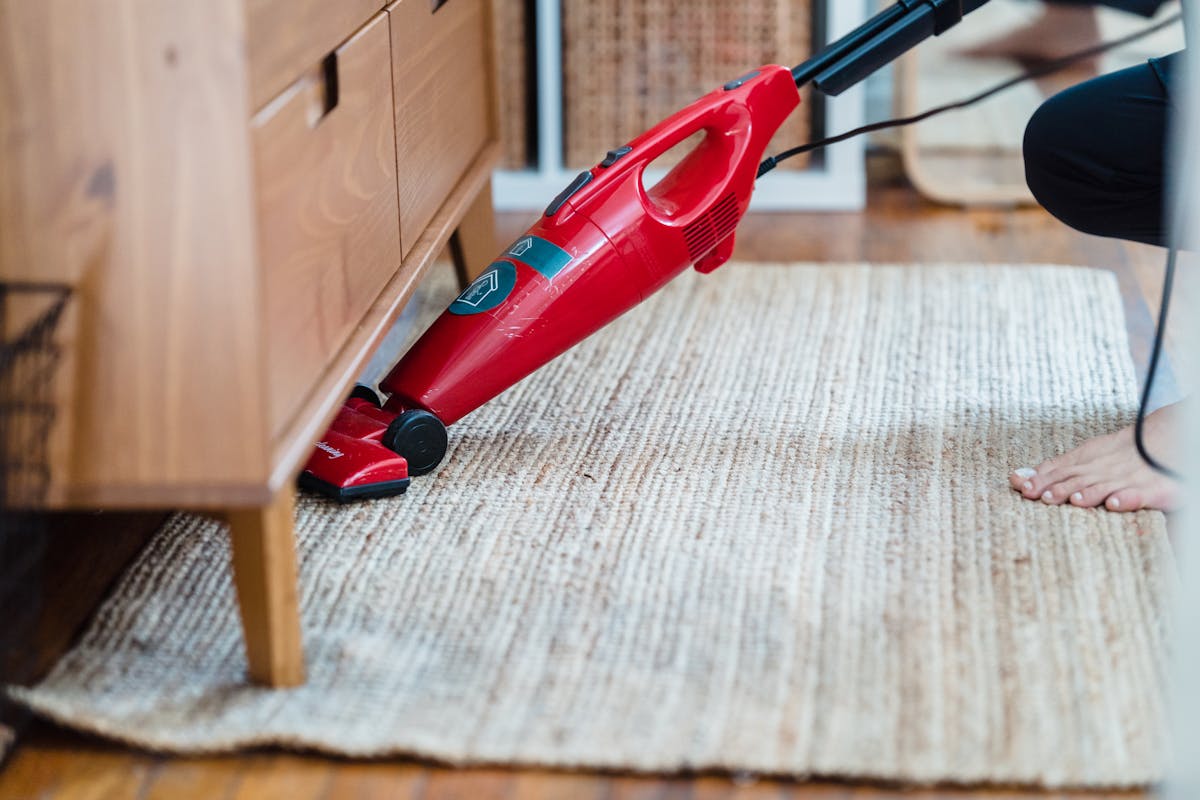
Vacuuming is one of those chores that gets pushed aside for other tasks, but it’s essential to maintaining a clean home. Skipping vacuuming or not doing it often enough can result in dirt, dust, and allergens accumulating, which is harmful to your health and the cleanliness of your space. Regular vacuuming removes dust, dirt, pet hair, and other allergens from carpets and floors, helping maintain a healthier living environment.
By vacuuming frequently, you prevent dirt from getting deeply embedded in your carpets or flooring, making it easier to keep your home clean. Don’t neglect this important task; vacuum at least once or twice a week, especially in high-traffic areas.
Overlooking the Air Vents and Filters
Air vents and filters are often neglected during cleaning, but they play a crucial role in maintaining clean air throughout your home. Dirty filters and vents can circulate dust and allergens, impacting both your cleaning efforts and your health. Dirty air vents and filters can reduce the overall air quality in your home.
Regularly clean or replace filters to ensure your HVAC system is running efficiently, and clean air vents to prevent dust from circulating throughout your living space. Clean air helps maintain a fresher, healthier environment, especially for those with allergies or respiratory issues.
Not Cleaning High-Traffic Areas Regularly
High-traffic areas in your home, such as entryways and hallways, tend to accumulate dirt and debris quickly. Neglecting these areas means dirt will continue to accumulate and spread to other parts of your home.
Focus extra cleaning efforts on the areas that get the most use. Regularly cleaning entryways, bathrooms, and the kitchen will help prevent dirt buildup in the areas that matter most. By cleaning high-traffic areas frequently, you’ll keep your home looking cleaner longer.
Leaving Wet Surfaces Too Long
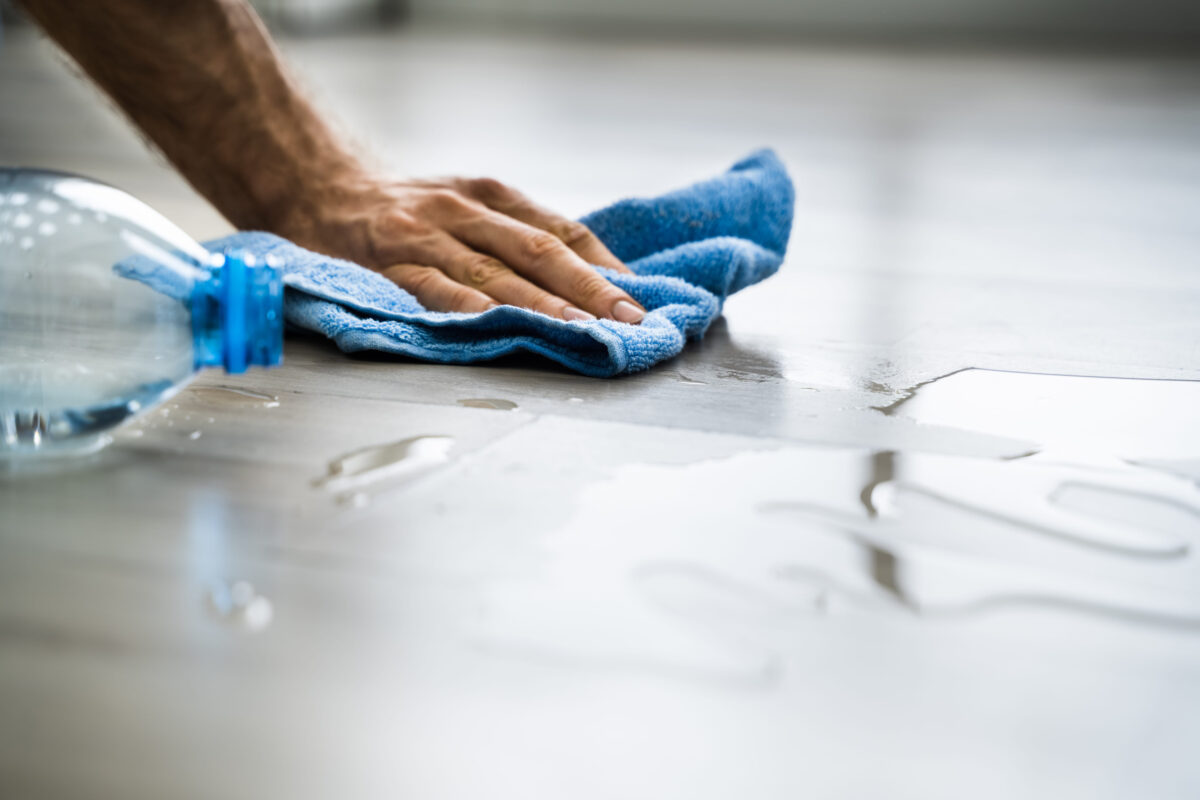
Leaving wet surfaces after cleaning can lead to mold growth, water spots, and grime buildup. Moisture attracts dirt, which leads to even more cleaning down the road. Excess moisture left on countertops, floors, or bathroom surfaces can promote mold and mildew growth. Be sure to wipe up any wet surfaces immediately after cleaning to prevent these issues. Thoroughly drying surfaces will also ensure your home remains clean and fresh.
Neglecting the Kitchen
The kitchen is often the dirtiest room in the house, and it needs to be cleaned regularly to prevent bacteria buildup, odors, and grease stains. Neglecting the kitchen means you’re leaving food particles and spills to fester, which leads to unwanted messes.
Make sure to clean kitchen surfaces such as counters, sinks, and stovetops regularly. Don’t forget to tackle areas like the refrigerator and trash can, as they can harbor bacteria and odors. By staying on top of kitchen cleaning, you’ll prevent larger messes and keep your home smelling fresh.
Conclusion
Making the right cleaning decisions can ensure your home stays clean and fresh without making things dirtier in the process. By avoiding these 10 common cleaning mistakes and implementing better practices, you’ll enjoy a cleaner, healthier living space. Start with small adjustments, and you’ll see a difference in your home’s cleanliness.