6 Pioneer Foods That Make the Wild West Look Far Less Glamorous
The Wild West gets sold to modern readers as grit with a golden glow. We picture cast-iron skillets, open fires, rugged self-reliance, and the kind of meals that feel simple, hearty, and almost noble. The real food story was harsher than that. Pioneer diets were built around survival, not pleasure, and that meant heavy reliance on wild game, bread, cornmeal, bacon, beans, dried produce, and whatever could be preserved, traded, hunted, or improvised when supplies ran thin.
That is what makes the old recipes so revealing. They strip the romance off frontier life and show a daily routine shaped by shortage, monotony, and constant substitution. The Ranker roundup on pioneer foods highlights dishes and drinks that were not created because they were beloved, but because settlers were trying to make it through hard country with limited options.
Roast Skunk Was Survival Cooking at Its Most Unforgiving
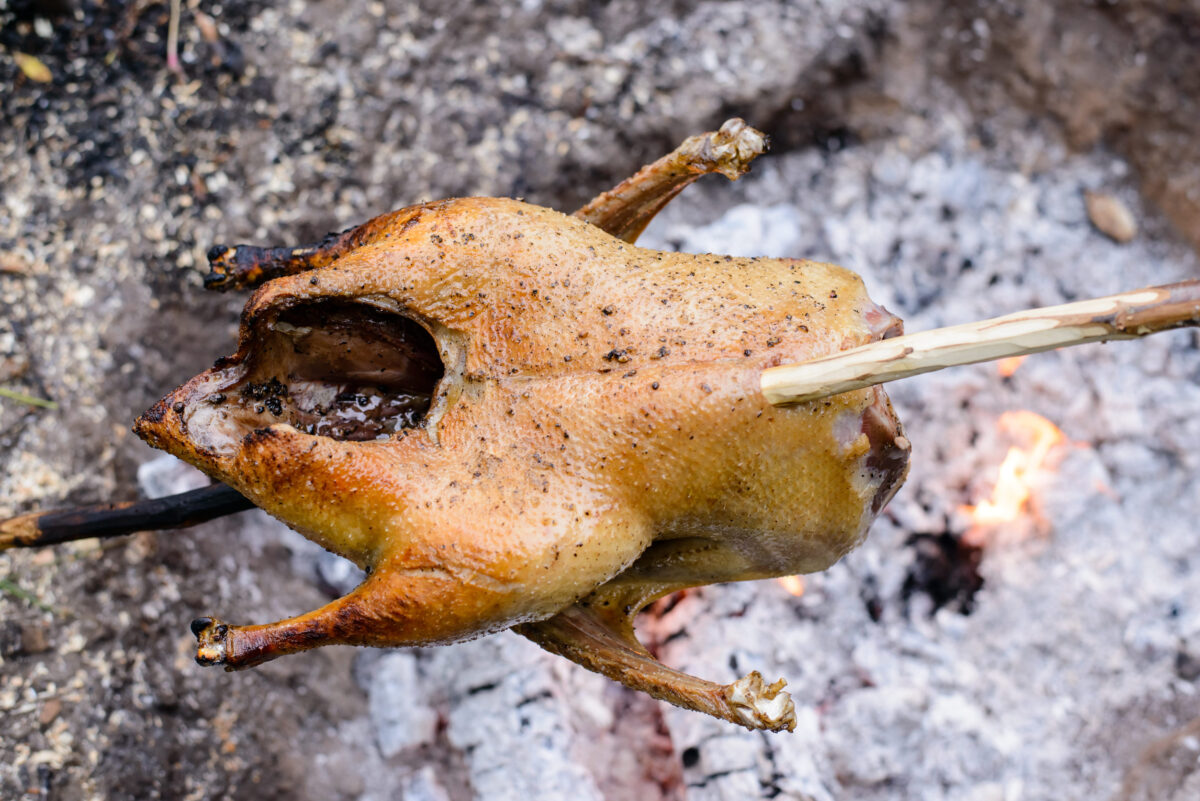
Nothing punctures the fantasy of frontier dining faster than roast skunk. Ranker notes that old pioneer recipe instructions included a crucial warning to remove the scent glands before cooking, which tells you almost everything you need to know about how desperate and practical this food culture could become.
Historical traces of roast skunk recipes also appear in older archival material, which confirms this was not just a tall tale invented to shock modern readers. The point was simple and brutal. If an animal could provide meat, it could become dinner. That is not a culinary adventure. That is hunger making the decision for you.
Sweet Potato Coffee Proves Scarcity Was a Daily Problem
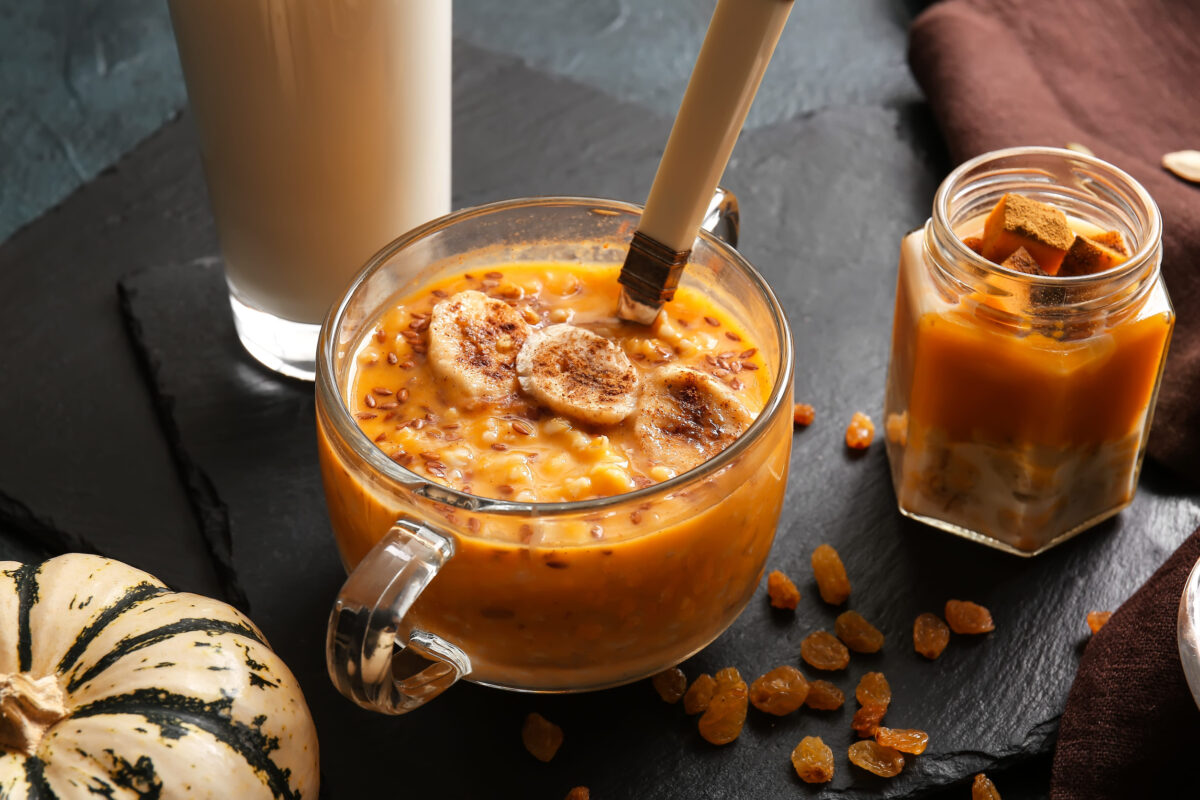
Coffee feels like a basic comfort now, but on the frontier, it could quickly become a luxury. The National Park Service notes that settlers sometimes turned to chicory or parched bran as substitutes, and Nebraska historical accounts show that pioneers roasted whatever they could to imitate coffee when the real thing was out of reach. Ranker adds one of the more laborious examples, a drink made by cooking, mashing, drying, and grinding sweet potatoes into something that could be steeped in water.
That is not the story of a charming vintage beverage. It is the story of people trying to preserve a ritual when the real ingredient is gone.
Calf’s Foot Jelly Turned Dessert Into a Test of Endurance
Modern desserts usually aim for comfort. Calf’s foot jelly did the opposite. Ranker describes it as a popular Old West sweet made from calves’ feet, eggs, sugar, lemon, and spices, while older reference material shows that calf’s foot jelly was indeed a recognized dessert made from gelatin extracted from calves’ feet.
It may sound refined on paper, as it sometimes included wine or citrus, but the preparation reveals a kitchen culture in which nearly every edible part of an animal had to be put to use. This was thrift taken to its absolute limit. Frontier cooks were not being eccentric. They were working inside a world where waste was a luxury they could not afford.
Sheep Sorrel Pie Was Clever, but It Also Exposed How Little Was Available
Sheep sorrel pie sounds quaint until you understand why it existed. Ranker explains that pioneers used sheep sorrel as a stand-in for lemons when citrus was scarce, and Nebraska historical writing goes further by noting that sheep sorrel pie was unusual even then and required so much sugar to tame the herb’s sourness that it was prepared only rarely in at least one pioneer home.
That detail matters. It shows how frontier inventiveness often grew out of deprivation rather than abundance. People praise substitution as creativity, and it was, but it was also evidence that the pantry was missing something important, and there was no store around the corner to fix it.
Bear Head Cheese Showed How Thoroughly Pioneers Used an Animal
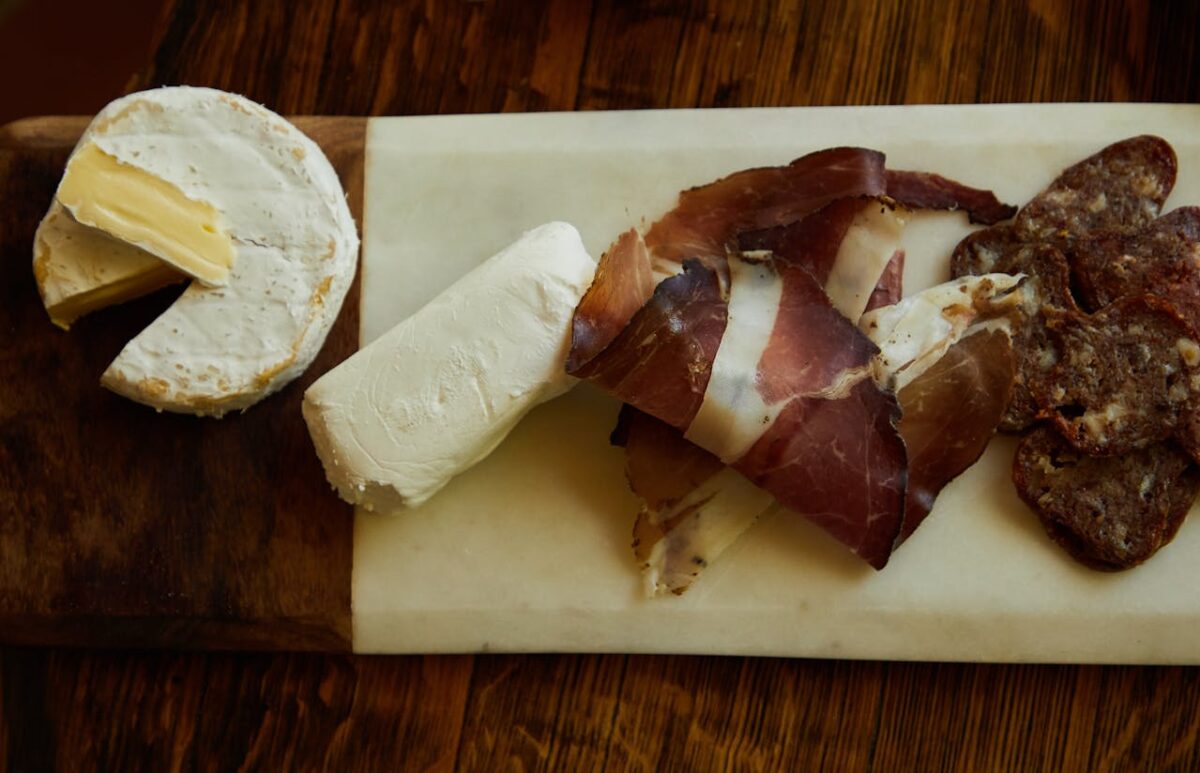
Bear head cheese may be one of the clearest examples of frontier practicality overpowering squeamishness. Ranker explains that pioneers sometimes used a bear’s head to make a version of head cheese, and standard dictionary definitions back up what head cheese actually is: a jellied loaf made from parts of an animal’s head and other gelatin-rich cuts rather than dairy. In other words, the name softens the reality.
This was a preservation strategy disguised by familiar language. It also reflects a broader frontier rule that if a large animal had been killed, nearly every usable part had to be stretched into food. Waste offended necessity more than taste ever did.
Vinegar Pie Is Resourceful, but It Is Also a Reminder of Just How Thin Supplies Ran
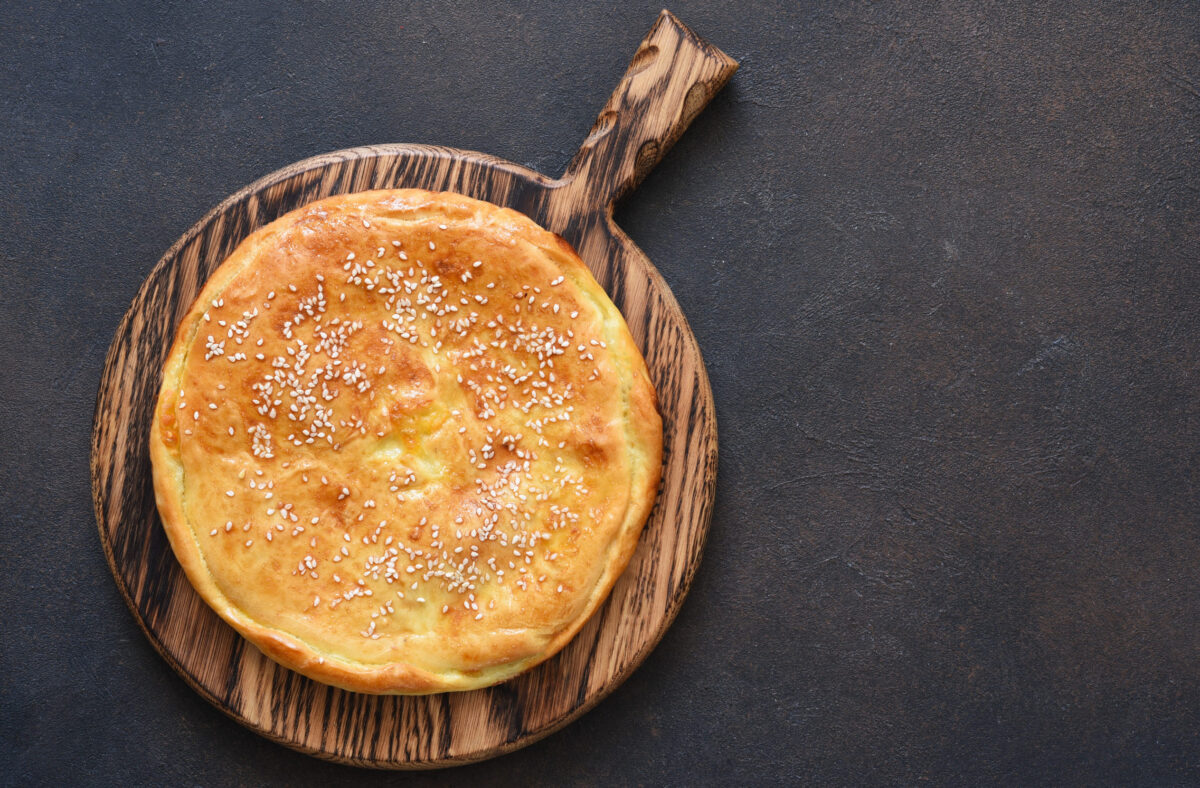
Vinegar pie is the least shocking item on this list, but it may be the most revealing. Ranker notes that pioneers used apple cider vinegar to mimic the tartness of apples or lemons when fresh produce was unavailable.
Modern food writers still describe vinegar pie as a pantry dessert made from bare-bones ingredients, with the vinegar supplying a tartness that stands in for fruit. That sounds clever because it is clever. Still, the deeper truth is less cozy. A pie made to imitate ingredients you cannot get is still a sign of shortage. The frontier kitchen could be inventive, but invention was often just scarcity wearing a brave face.
Conclusion
The foods that sustained pioneers in the Wild West were far from the hearty, adventurous meals we often imagine. They were a testament to the grim realities of frontier life, where survival took precedence over taste, and creativity was born from scarcity, not innovation. Dishes like roasted skunk, calf’s foot jelly, and vinegar pie weren’t made because they were tasty; they were a means to stretch limited resources and keep hunger at bay.
These foods may have been resourceful, but they also reflected just how difficult life was on the frontier. Romanticizing pioneer cuisine overlooks the desperation and endurance that shaped these meals. The truth is clear: the Wild West was not a place for culinary exploration; it was a place where you ate whatever you could, no matter how unappealing, just to survive. And perhaps that’s the most honest story of all.