10 Haunting Reasons Phil Hartman’s Murder-Suicide Still Feels So Disturbing 28 Years Later
Phil Hartman did not build his fame on scandal. He built it on timing, control, and the rare ability to make chaos feel organized. On Saturday Night Live, he was the calm center of loud comedy. On NewsRadio, he made arrogance hilarious. On The Simpsons, his voice turned side characters into pop culture legends. That is why his death still feels so jarring.
On May 28, 1998, Hartman was killed inside his Los Angeles home by his wife, Brynn Hartman, who later died by suicide. The murder-suicide stunned Hollywood, devastated fans, and left behind two children who had to live with a loss no headline could ever fully explain. Nearly three decades later, the case still pulls people in because it was not only a celebrity tragedy. It was a collision between public laughter and private crisis.
Here are 10 reasons the story remains so unforgettable.
Phil Hartman Was the Man Who Made Comedy Feel Safe
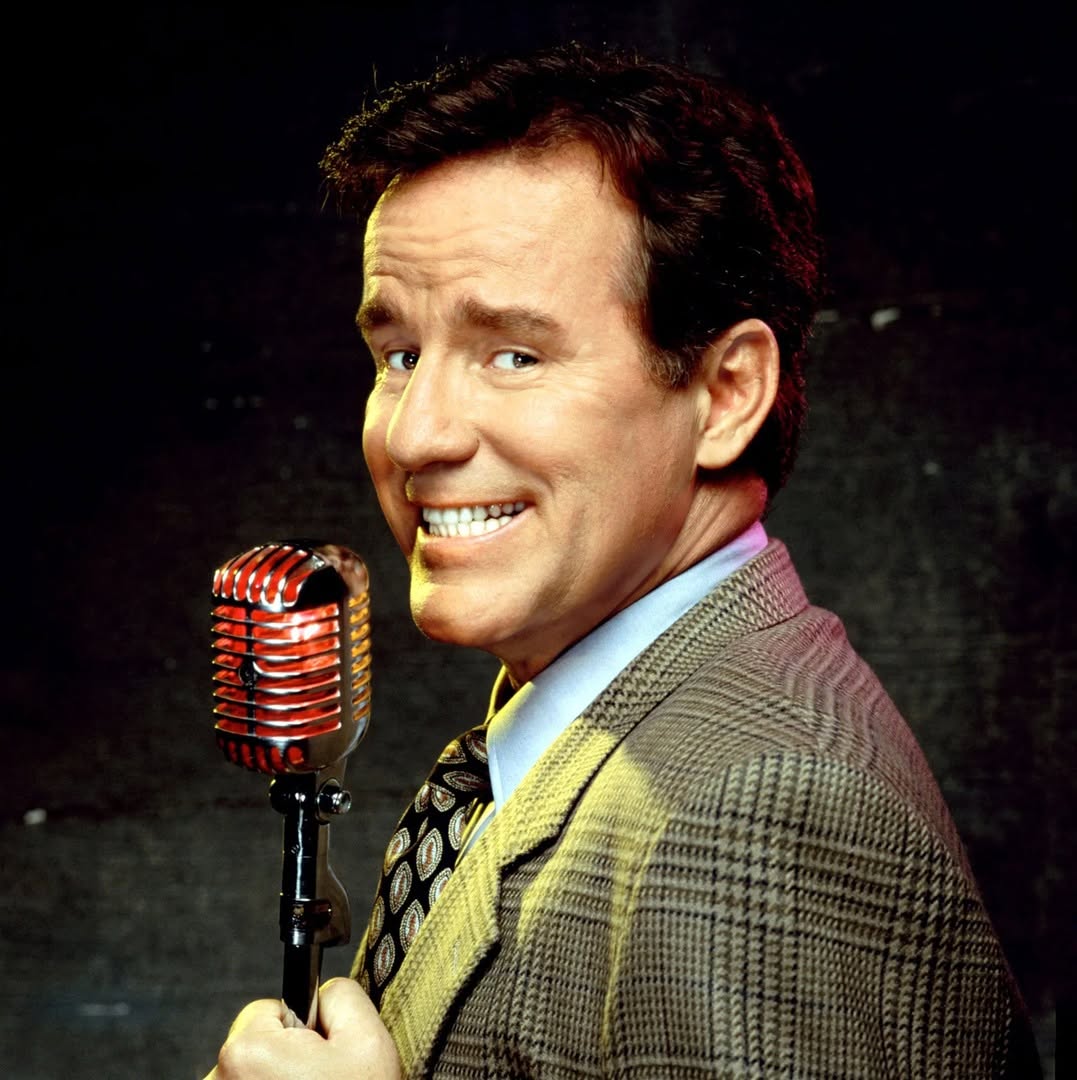
Hartman was not the wildest comedian in the room. He was the one who made the wildest room work. His SNL castmates famously called him “The Glue” because he could hold a sketch together even when everything around him was designed to be ridiculous. That nickname now feels painfully symbolic. On screen, he brought order. At home, there was a level of disorder that most fans had never seen.
That contrast is one reason the story still hits hard. Hartman’s public image was not reckless, dangerous, or unstable. He seemed steady. He seemed professional. He seemed like the person who could walk into confusion and calm it down with one perfectly delivered line.
His Death Changed How Fans Watch His Best Work
Watching Phil Hartman today can feel strangely emotional. One moment, he is making you laugh as Troy McClure, Lionel Hutz, Bill McNeal, or one of his many SNL characters. The next moment, the viewer remembers how suddenly and violently his life ended. That double feeling is part of his legacy now. His comedy still works, but it carries a shadow.
The painful thing is that Hartman’s performances were so alive. His voice had bounce. His expressions had electricity. His characters felt complete, even when they appeared for only a short scene. That makes the loss feel fresh every time a clip resurfaces online.
The Crime Happened Behind the Door of a Successful Home
From the outside, the Hartman home looked like a Hollywood success story. A beloved actor. A comfortable Los Angeles residence. A family. A career still moving forward. But the tragedy revealed something many true crime stories also expose: a home can look stable from the street and still be breaking down inside.
That is what makes this case feel bigger than celebrity gossip. It speaks to the frightening reality that private crises often hide behind normal routines, polite smiles, and public achievements. The danger was not playing out on a red carpet. It was inside a bedroom, in the quiet hours of the morning.
Brynn Hartman’s Struggles Made the Story More Complicated, Not Less Serious
Reports after the deaths described a troubled marriage, emotional tension, and substance abuse concerns. Those details matter because they help explain the atmosphere surrounding the tragedy. But they do not excuse the violence.
That is where this story must be handled carefully. Brynn Hartman’s struggles can be part of the record without becoming a shield for what happened. Addiction, disappointment, jealousy, anger, and emotional crisis can increase danger inside a relationship, but they do not make murder inevitable.
The more disturbing lesson is that warning signs can grow over time and still be misunderstood, minimized, or treated as private drama until it is too late.
The Children Were the Quietest Victims of the Story
Celebrity headlines often focus on the famous person, but the most heartbreaking part of this case is that two children lost both parents in one morning. They were physically unharmed, but their lives were permanently changed. That detail gives the story a deeper sadness because it reminds readers that murder-suicide does not end with the people who die. It leaves trauma behind.
The public remembers Hartman through reruns and famous characters. His children had to remember him as a father, while also carrying the unimaginable weight of how both parents were lost. That is why the case should never be treated solely as entertainment. It was a family disaster before it became a Hollywood headline.
Hollywood Lost a Performer Who Still Had So Much Left to Give
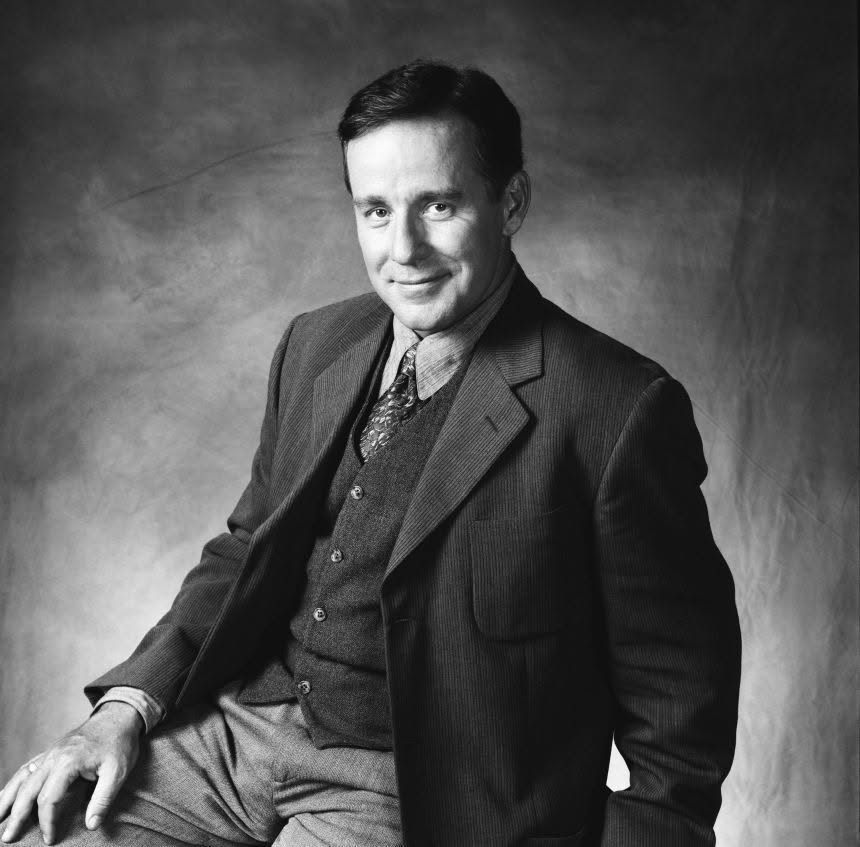
Hartman was only 49 when he died. His career was not fading. He was still active, still respected, and still capable of creating characters that could have lasted for years. That unfinished quality makes the loss sharper.
Fans can imagine future seasons, movies, voice roles, sketches, and cameos. They can imagine the characters he never got to play and the jokes he never got to deliver. In comedy, timing is everything, and Hartman’s timing was cut off brutally early. His death not only ended a life. It erased a future body of work that audiences would never have seen.
His Voice Became Part of American Pop Culture
Some actors are remembered for their faces. Hartman is also remembered for his voice. It was smooth, theatrical, confident, and instantly recognizable. That voice could sell fake sincerity better than almost anyone. As Troy McClure on The Simpsons, he made every absurd introduction sound like a showbiz handshake. As Lionel Hutz, he turned bad legal advice into comedy gold.
That is why his absence was so noticeable. His characters did not just disappear from a show. A whole comic texture disappeared with him. Hartman’s voice had the rare quality of sounding both polished and ridiculous at the same time. That gift is difficult to replace.
The Story Forces an Uncomfortable Conversation About Domestic Violence
The Phil Hartman case is often remembered as a Hollywood tragedy, but it is also a domestic violence story. That label matters. Domestic violence is not limited to one gender, income level, neighborhood, or type of relationship. It can happen in wealthy homes, famous homes, quiet homes, and homes where outsiders assume everything is fine.
The case remains disturbing because it shows how quickly private conflict can become fatal when emotional instability, substance abuse, relationship tension, and access to a weapon come together. It also reminds readers that domestic danger does not always look like the stereotype people expect. Sometimes, the person at risk is the one everyone else thinks is doing fine.
The Public Still Wants to Understand What Could Not Be Fixed
Part of the reason readers return to this story is the unanswered emotional question: Could something have stopped it? That question is painful because the final outcome is already known. No article can undo it. No documentary can repair it. No anniversary piece can change the morning of May 28, 1998.
But people keep searching for meaning because the tragedy feels preventable, as many domestic crises do after the fact. Friends noticed problems. Reports later described tension. There were signs of personal struggle. Yet the final danger still arrived. That is what makes the case haunt people. It sits in the space between what was known and what was not fully understood.
Phil Hartman Is Still Remembered for Laughter, Not Just Loss

The most powerful thing about Hartman’s legacy is that the crime did not swallow up his entire story. Yes, his death remains one of Hollywood’s most shocking murder-suicides. Yes, the details are devastating. Yes, the loss still carries a heavy sadness.
But Phil Hartman is still remembered because his work continues to breathe. People still laugh at his sketches. They still quote his animated characters. They still discover his performances and understand almost instantly why he mattered.
That is the final emotional twist of the story. The man died in darkness, but the work he left behind still belongs to laughter.