10 Most Terrifying Natural Disasters in History
Natural disasters become terrifying for more than the damage they leave behind. They terrify us because they arrive with little mercy, erase familiar places in hours, and expose how fragile human systems can be when nature turns violent.
Some disasters on this list killed hundreds of thousands. Others changed politics, cities, science, and the way nations prepare for danger. Death tolls from older disasters are often uncertain, so this list weighs scale, fear, historical impact, and human suffering rather than numbers alone.
The 1931 China floods

The 1931 floods in China remain one of the darkest chapters in disaster history. After months of heavy rain, swollen rivers, failed defenses, and overwhelmed communities, the lower Yangtze basin turned into a vast inland sea.
Cities such as Nanjing and Wuhan suffered as floodwaters swallowed homes, crops, roads, and entire neighborhoods. Britannica estimates that the disaster covered more than 30,000 square miles, killed about 3.7 million people, and left roughly 40 million homeless. That is what makes it so frightening: the flood did not simply strike and leave; it trapped millions in hunger, disease, and grief.
The 1887 Yellow River flood
The Yellow River has long been called both a cradle of Chinese civilization and a source of fear. In 1887, after heavy rains, the river broke through dikes and spread across the low plains of northern China. The water did not behave like a single wave.
It moved like a slow, unstoppable occupation, covering farms, villages, and market towns. Estimates suggest that 900,000 to 2 million people died, many from drowning, famine, and disease, after the flood. The terror came from the helplessness of watching a river that people depended on become the thing that destroyed them.
The 1970 Bhola cyclone
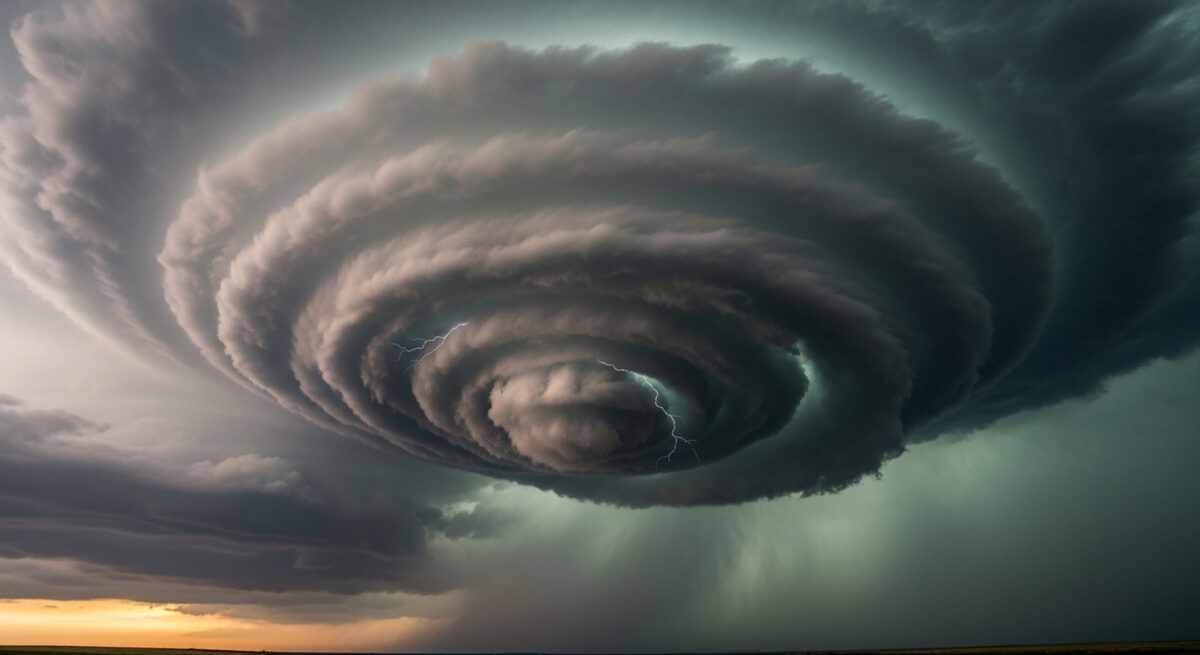
The Bhola cyclone hit what was then East Pakistan, now Bangladesh, in November 1970. The storm itself was brutal, but the storm surge turned it into a nightmare. Low-lying islands and tidal flats offered little protection as the sea surged inland, erasing villages in the dark.
The World Meteorological Organization describes Bhola as the world’s deadliest tropical cyclone, with an estimated 300,000 to 500,000 deaths. Many victims drowned before warnings, shelter, or help could reach them. The disaster also fueled public anger and political instability, proving that a cyclone can shake history far beyond the coastline.
The 1556 Shaanxi earthquake
The Shaanxi earthquake of 1556 is often remembered as the deadliest earthquake in recorded history. It struck central China early in the morning, when many people were still at home. What made it especially deadly was the region’s housing.
Many residents lived in caves carved into soft loess cliffs, and those cliffs collapsed under the shaking. Britannica reports that the quake killed or injured an estimated 830,000 people and may have reduced the population of Shaanxi and Shanxi by about 60 percent. Few disasters show so clearly how geography, poverty, and construction can turn shaking ground into mass death.
The 2004 Indian Ocean tsunami
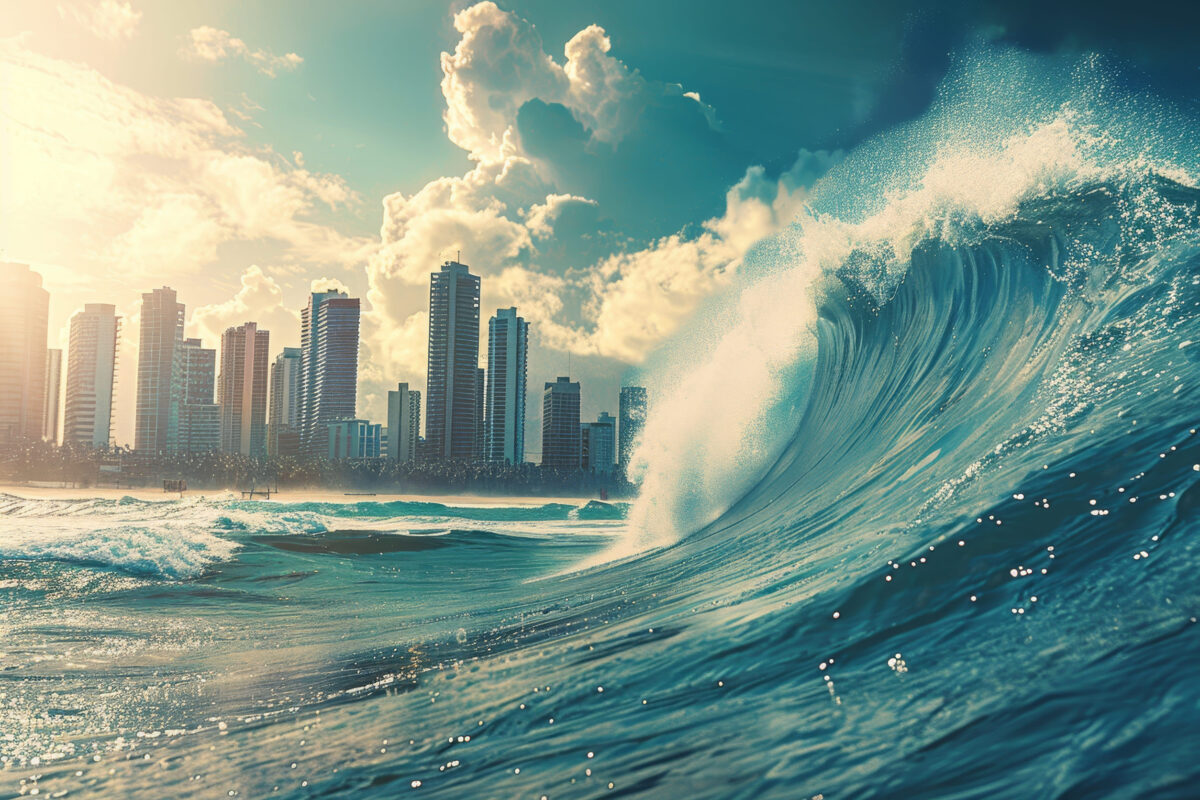
The 2004 Indian Ocean tsunami began with a massive undersea earthquake off the coast of Sumatra on December 26. Then came the waves. They crossed the ocean at terrifying speed and struck coastlines in Indonesia, Sri Lanka, India, Thailand, and beyond. In many places, people had no warning system and no clear idea that the sea’s retreat was a deadly sign.
The U.S. Geological Survey describes it as the deadliest tsunami in recorded history, with tsunami runup heights above 30 meters along parts of Sumatra’s west coast. Around 230,000 people died across the region, and the images of water swallowing towns remain almost impossible to forget.
The 1976 Tangshan earthquake
The Tangshan earthquake struck China before dawn on July 28, 1976, when much of the industrial city was asleep. Buildings collapsed so quickly that many residents had no chance to escape. The city was nearly flattened, and rescue work became a race against dust, rubble, aftershocks, and silence. Britannica reports an official death toll of 242,000, though some estimates have placed the number much higher. NOAA’s earthquake database lists 242,769 deaths, 799,000 injuries, and extensive damage in the Tangshan area. Its horror lies in the timing: one sleeping city, one violent rupture, and a generation marked by loss.
The 1815 Mount Tambora eruption
Mount Tambora’s eruption in 1815 did not stay in one place. The Indonesian volcano exploded with such force that it became the largest volcanic eruption in recorded history. Nearby communities faced ash, fire, darkness, tsunamis, collapsing roofs, and starvation.
Britannica notes that at least 10,000 islanders were killed directly by the eruption, but the wider disaster became even more terrifying when ash and gases disrupted global weather. The following year became known as the “year without a summer,” bringing crop failures and famine in parts of the Northern Hemisphere. Tambora proved that one mountain could disturb the rhythm of the whole planet.
The 1900 Galveston hurricane

Before modern forecasting and storm tracking, Galveston, Texas, faced one of the deadliest storms in U.S. history. The 1900 hurricane slammed into the island city with ferocious winds and a devastating storm surge. Homes broke apart, streets disappeared under water, and thousands were trapped in wreckage. NOAA reports that more than 8,000 people died, with winds over 130 miles per hour and a 15-foot storm surge.
The tragedy permanently changed Galveston’s future, pushing the city to build a seawall and raise parts of the island. The most chilling part is simple: many people did not fully understand what was coming until it was already there.
The 2010 Haiti earthquake
The 2010 Haiti earthquake struck near Port-au-Prince, a crowded capital already burdened by weak infrastructure and deep poverty. The quake lasted less than a minute, but that was enough to bring down homes, schools, hospitals, government buildings, and the National Palace. People clawed through concrete with bare hands because heavy rescue equipment was scarce.
The World Bank estimates that about 220,000 people died, 1.5 million were displaced, and damages reached $7.8 billion. The disaster was terrifying because it showed how a moderate-magnitude earthquake can become catastrophic when buildings, emergency systems, and public services cannot withstand the impact.
The 2023 Turkey and Syria earthquake
The Turkey and Syria earthquake of February 2023 was a modern horror witnessed almost in real time. A magnitude 7.8 quake struck, followed by another powerful quake and waves of aftershocks. Apartment blocks folded into piles of concrete, rescue teams dug through freezing nights, and survivors waited for help under collapsed buildings.
AP reported that the death toll neared 48,000 in Turkey, while the United Nations estimated about 6,000 deaths in Syria at that point. The disaster exposed the deadly cost of unsafe buildings, war-damaged systems, and slow access to aid. It reminded the world that modern cities can still fall in minutes.
Conclusion
The most terrifying natural disasters in history share one brutal lesson: nature becomes deadliest when human systems are unprepared, unequal, or fragile. Floods killed millions when river defenses failed. Earthquakes became massacres when homes and cities could not withstand them.
Cyclones and tsunamis turned catastrophic when warnings arrived too late or never came at all. These disasters deserve to be remembered because they were not just moments of destruction. They changed how people build, warn, evacuate, govern, and grieve. History cannot stop the next flood, quake, eruption, or storm, but it can teach societies to respect risk before the sky darkens, the ground shakes, or the sea begins to pull away.