Shocking 7 Ways Workplace Robots Are Putting Employees in Danger
Automation is everywhere. From high-tech factories to modern warehouses, robots are transforming the way work gets done. They promise efficiency, speed, and precision, but the truth is far more unsettling. Workplace robots, often celebrated as tools that reduce human risk, are quietly creating new hazards that can seriously injure or even kill workers. While companies race toward smarter, faster operations, safety often takes a back seat, and employees pay the price.
These aren’t isolated incidents. Human-robot collisions, programming errors, mechanical failures, and other risks have caused serious injuries across industries. These seven ways highlight how automation can become a dangerous double-edged sword if precautions aren’t taken seriously.
Programming and Control Errors

Robots follow instructions precisely, which is exactly the problem. A single programming mistake or oversight in control logic can turn a machine from a helper into a hazard.
For instance, robots have swung too fast, gripped objects with excessive force, or moved in directions that workers weren’t expecting due to faulty code. In high-output manufacturing environments, a programming glitch once caused a robot to misapply force to an assembly part, creating a dangerous situation for nearby employees. Even AI-driven robots can behave unpredictably when algorithms fail or are poorly tested. Every coding error is a potential accident waiting to happen, underscoring that automation doesn’t remove risk; it shifts it.
Deadly Human-Robot Collisions
The biggest threat in robot-integrated workplaces comes from human-robot collisions. Modern factories often have collaborative robots, or cobots, working side by side with humans. While designed to be safe, these machines can move fast, unexpectedly, and with incredible force.
Workers stepping into a robot’s operational zone without following strict safety protocols risk being struck, crushed, or pinned. In one automotive plant, a technician was severely injured when a robotic arm unexpectedly moved while being installed. Even minor lapses, such as misjudging timing or failing to account for blind spots, can have catastrophic consequences. Safety experts warn that as robots become more common, these collisions could increase unless companies enforce strict exclusion zones, motion sensors, and real-time monitoring.
Crushing and Trapping Hazards

Heavy robot arms, conveyor systems, and grippers can turn everyday operations into life-threatening situations. Workers can be trapped, crushed, or pinned in seconds, especially during maintenance or unexpected movements.
Cases abound of employees caught between machinery and robotic arms due to insufficient safeguards or bypassed protocols. Even with stationary robots, the sheer mechanical force makes mistakes unforgiving. These incidents reveal a sobering reality: while robots reduce some hazards, they create new ones, and without protective barriers, emergency stops, and vigilance, human injury is almost inevitable.
Mechanical Failures
Robots, like any machine, are prone to wear and mechanical failure. Joints, actuators, and end-effectors can malfunction, leading to unpredictable and dangerous movements.
A hydraulic failure in a factory robot once caused a heavy component to drop, nearly striking multiple employees. Aging equipment, lack of maintenance, or unnoticed defects can turn reliable systems into unpredictable hazards. While predictive maintenance technologies help identify potential problems, nothing is foolproof. Every malfunction underscores the importance of regular inspections, redundant safety systems, and risk planning, because even a single broken component can have deadly consequences.
Inadequate Safety Measures

Physical safeguards aren’t optional; they’re critical. Yet in many workplaces, robots operate without sufficient guards, emergency stop mechanisms, or clearly defined zones.
Failing to implement or properly use safety systems exposes employees to high-speed robotic movements and heavy loads. Even advanced sensors cannot prevent all accidents if the safety culture is weak. Workers without proper training or awareness can accidentally trigger a robot or enter a restricted area, turning a productive tool into a potential weapon. The lesson is stark: automation without enforcement is a disaster waiting to happen.
Human Error Amplifies Danger
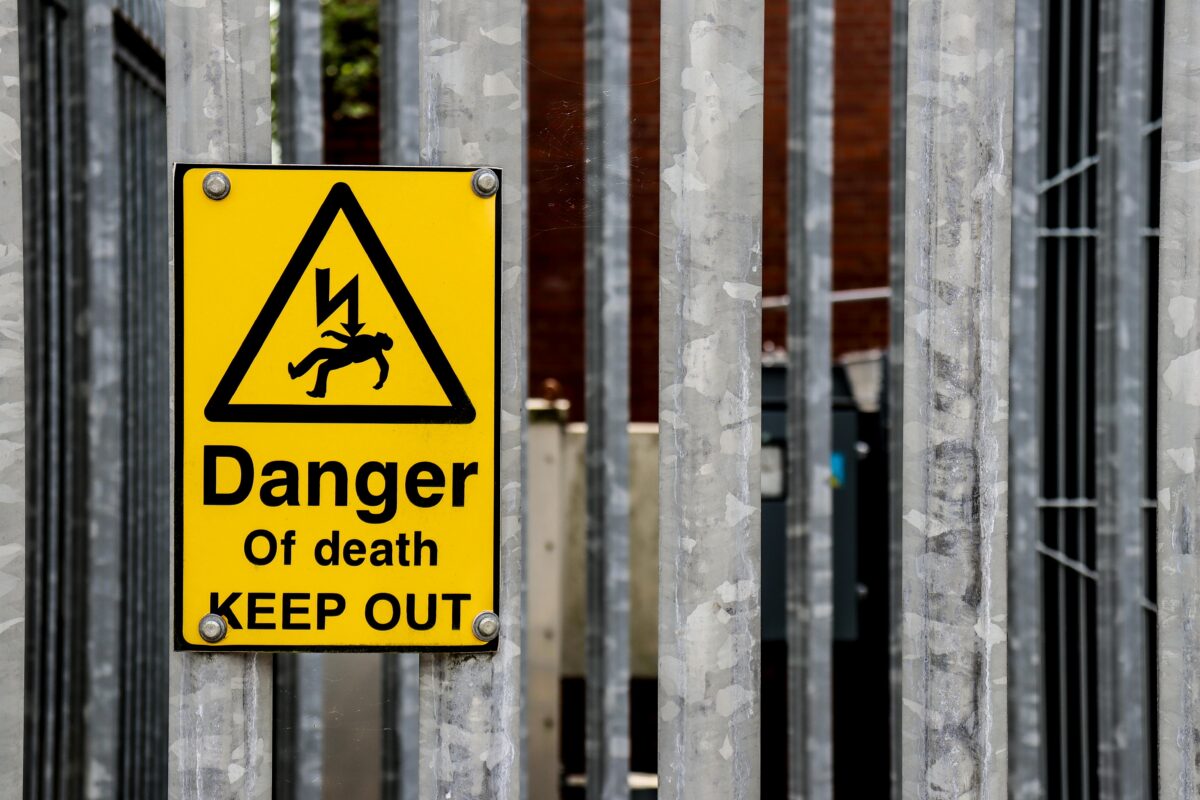
Even in highly automated workplaces, human error remains the leading cause of robot-related accidents. Workers may bypass safety procedures, ignore lockout/tagout protocols, or fail to follow operational guidelines.
In one documented case, a technician bypassed the lockout procedure during robot maintenance and suffered a preventable injury. Pressure to meet production targets often encourages shortcuts, amplifying risk. The safest robot is ineffective if employees don’t follow procedures, underscoring the importance of human oversight and accountability.
Cybersecurity and AI Risks
The newest robots are intelligent, autonomous, and networked, which is both a blessing and a hazard. Malfunctions, AI miscalculations, or cyberattacks can make robots behave unpredictably, putting human co-workers at risk.
Autonomous decision-making robots may take actions that engineers never anticipated. A compromised network or software glitch can turn a productive robot into a dangerous one. As workplaces rely more on AI, companies must consider cybersecurity and AI safety as critical components of risk management. Without them, digital errors can quickly translate into physical harm.
Conclusion
Workplace robots are transforming the industry at an unprecedented pace. They offer speed, precision, and efficiency, but they also carry serious hidden dangers. Human robot collisions, mechanical failures, programming errors, and cybersecurity threats are real and increasingly common. The rise of collaborative and AI-driven machines makes safety more complex than ever.
Businesses that ignore these risks are gambling with their most valuable resource: human life. The future of work will be automated, but without vigilance, training, and robust safety systems, robots can become more of a threat than an ally. Automation promises progress but it comes with consequences, and those consequences are already visible on factory floors around the world.