7 Reasons Family Fortunes Collapse by the Third Generation
Across the world, family fortunes built by one generation often vanish by the third. What starts as hard-earned wealth in the hands of visionary founders can quietly disintegrate as it passes to heirs. This isn’t just bad luck—it’s a predictable pattern rooted in human behavior, family dynamics, and financial oversight. Understanding why wealth fades across generations reveals both the fragility of fortune and the strategies families can adopt to preserve it.
The First Generation Earned Through Struggle
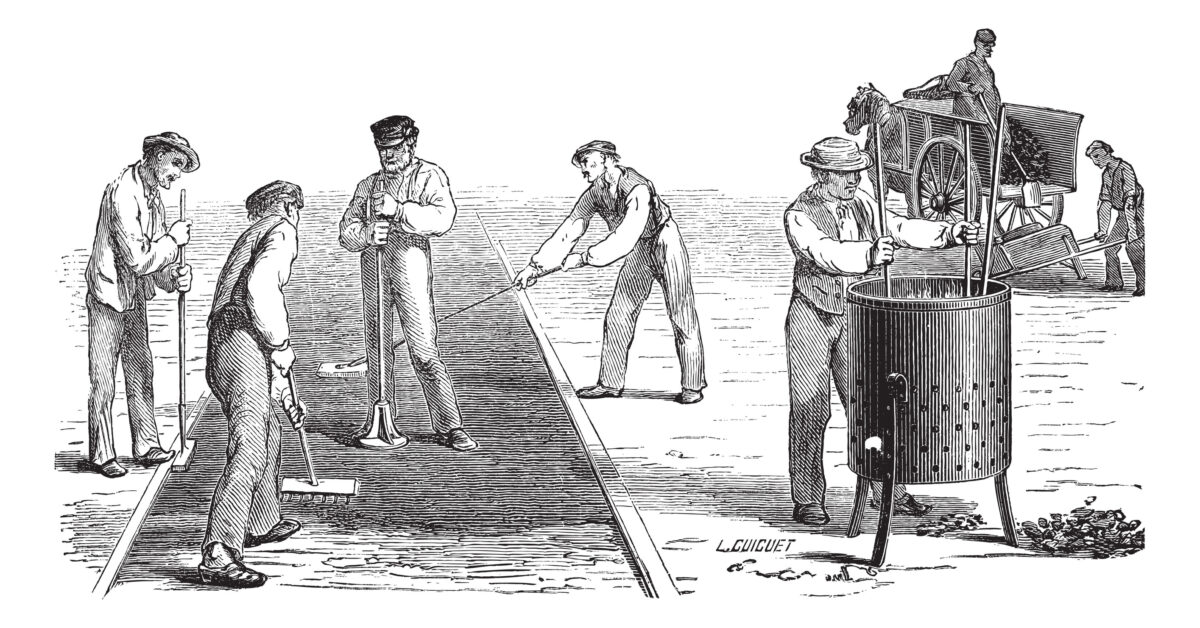
The first generation often builds wealth from nothing, battling adversity, financial uncertainty, and market unpredictability. Every dollar earned is tied to vision, grit, and relentless effort. These founders develop an intimate connection with money and understand the sacrifices required to generate it. They take calculated risks that most would shy away from and work tirelessly to ensure their vision succeeds.
This depth of experience creates a sense of discipline and respect for wealth that cannot be simply inherited. Later generations may lack the perspective that made this success possible, leaving them unprepared to manage the fortune wisely.
Poor Succession Planning

Succession planning is critical for long-term wealth preservation. Families that fail to establish clear leadership, governance structures, or inheritance rules invite conflict and mismanagement. Ambiguity over roles, responsibilities, or asset distribution often triggers disagreements, poor decisions, or even expensive legal battles.
Clear, proactive succession planning ensures a smooth transition of both wealth and control, protecting assets from internal disruption and preserving family harmony. Without it, even well-managed fortunes can unravel unexpectedly.
Lifestyle Inflation

As wealth grows, spending habits often expand proportionally. Lavish homes, luxury vehicles, private schooling, and extravagant vacations quietly deplete capital. Lifestyle inflation may seem harmless on a day-to-day basis, but repeated over decades, it can create a significant financial drain. If family members don’t balance indulgence with disciplined investing, even substantial inheritances can vanish. Conscious financial planning, combined with reasonable lifestyle expectations, is essential to protect wealth for future generations.
Entitlement and Complacency
By the third generation, comfort often breeds entitlement. Heirs who never experienced scarcity may treat wealth as limitless, overspending on luxury lifestyles or pursuing risky ventures without understanding consequences.
Complacency can creep in as they assume inherited fortune will always sustain them. This sense of entitlement erodes the drive to innovate, work, or protect assets. Over time, a lack of personal responsibility and accountability can quietly diminish the family fortune, transforming inherited prosperity into fleeting comfort.
Family Conflicts

Rivalries, jealousy, or disagreements over inheritance can fracture families, leaving both emotional and financial scars. Legal disputes, unequal treatment of heirs, or personal grudges can result in costly litigation, poor collaboration, and mismanaged assets.
Even small disagreements left unresolved can snowball into major conflicts that accelerate wealth erosion. Maintaining open communication, fairness, and mediation processes is critical to avoiding personal tensions from compromising financial longevity.
Disconnect From Work Ethic
Third-generation heirs often lack the hands-on work ethic that built the original fortune. Without understanding effort, risk, and discipline, financial management becomes abstract. Mistakes compound when heirs don’t value money beyond its comfort, and wealth can disappear through neglect or misjudgment.
Connecting heirs to the family’s founding story, instilling accountability, and encouraging proactive involvement ensure they see wealth as both a privilege and a responsibility.
Lack of Financial Education

Heirs frequently inherit money but not the knowledge to manage it effectively. Without exposure to budgeting, investing, and risk assessment, inherited wealth becomes vulnerable to missteps. Even smart heirs can make poor decisions if they don’t understand market dynamics or the principles of long-term asset growth.
Financial literacy, combined with mentorship, is critical to preventing mistakes that slowly erode fortune. Teaching heirs how wealth is created, how to protect it, and how to grow it ensures they can sustain the legacy rather than unintentionally dismantle it.
Conclusion
Family wealth rarely survives three generations by accident. It requires education, mentorship, disciplined governance, adaptability, and accountability. Without these safeguards, inherited fortunes are at risk of being eroded by entitlement, lifestyle inflation, family conflict, or poor planning. Recognizing the human behaviors and structural gaps that threaten long-term prosperity is the first step toward preserving wealth and ensuring that a family legacy endures beyond one lifetime.