7 Weird Reasons Some People Secretly Enjoy Relationship Drama
Relationship drama can appear exhausting and unhealthy from the outside. The arguing, silent treatments, emotional guessing games, jealous reactions, dramatic breakups, and sudden reconciliations can drain a person’s energy faster than almost anything else. Yet some people remain inexplicably drawn to chaos, even when they claim to crave peace, stability, or calm in their romantic lives. They may complain about the stress, but a relationship without intensity can feel strangely dull or even suspicious, leaving them yearning for the highs and lows of emotional turbulence.
This tendency is not always a sign of malice or intentional manipulation. Many individuals become attached to emotional intensity because it feels familiar, exhilarating, or oddly validating. When a brain associates love with conflict, calmness can feel unnatural or even unsettling. Drama can become habitual, and once emotional tension is linked to attention and connection, its absence can create discomfort. Here are seven reasons why some people secretly enjoy relationship drama, even when it consistently complicates or damages their relationships.
Drama Feels Like Passion

For some, intense emotional fluctuations are synonymous with love and attraction. Arguments, jealousy, and emotional ups and downs are often interpreted as signs that the relationship is alive and meaningful, whereas a peaceful, stable partnership can feel flat or unexciting. This confusion between emotional chaos and passion creates a cycle in which stress and conflict are mistaken for closeness and intimacy. People in this mindset can become addicted to the adrenaline and intensity of emotional spikes, believing that if their hearts are not racing, the connection is lacking.
The Makeup Feels Intensely Rewarding
The reconciliation after conflict can produce a powerful emotional high, often described as more intense than positive interactions in calm circumstances. Apologies, explanations, and renewed affection after an argument can feel exhilarating, reinforcing the cycle of tension and relief. Over time, the brain begins to associate emotional pain with eventual reward, creating a pattern in which conflict is indirectly linked to excitement and intimacy, making calmness feel less satisfying by comparison.
Drama Guarantees Attention

Conflict is a guaranteed way to capture attention. When someone feels unnoticed, ignored, or undervalued, creating tension can become a way to ensure their partner reacts, reassures them, or validates their presence. Drama forces engagement, producing immediate emotional feedback and a sense of being acknowledged, which can be highly reinforcing psychologically. While this attention may feel rewarding in the short term, it often comes at the cost of long-term trust and emotional stability in the relationship.
Chaos Feels Familiar
Emotional unpredictability often mirrors past experiences. Individuals who grew up in households characterized by tension, conflict, or instability may internalize chaos as normal or even comforting. A calm, steady relationship may feel alien or uncomfortable because it lacks the emotional peaks and valleys to which their nervous system has adapted. Familiar pain can paradoxically feel safer than unfamiliar peace, driving individuals to recreate patterns that feel known, even if harmful.
Drama Provides a False Sense of Control

Some people use drama to control relational dynamics and anticipate potential rejection or abandonment. By provoking reactions, testing loyalty, or instigating arguments, they feel they can manage the emotional temperature of the relationship rather than risk being caught off guard. This illusion of control temporarily reduces fear, but in reality, it undermines trust and stability, gradually eroding the foundation of the partnership while reinforcing dependence on emotional volatility.
Drama Distracts From Deeper Issues
Constant emotional turbulence can serve as a distraction from unresolved personal issues such as insecurity, low self-esteem, fear of abandonment, or lingering trauma. By focusing energy on relational conflict, individuals avoid confronting their internal struggles or emotional discomfort. This reliance on drama as a coping mechanism masks underlying problems, but it perpetuates a cycle in which tension replaces genuine self-reflection and personal growth.
Peace Feels Vulnerable
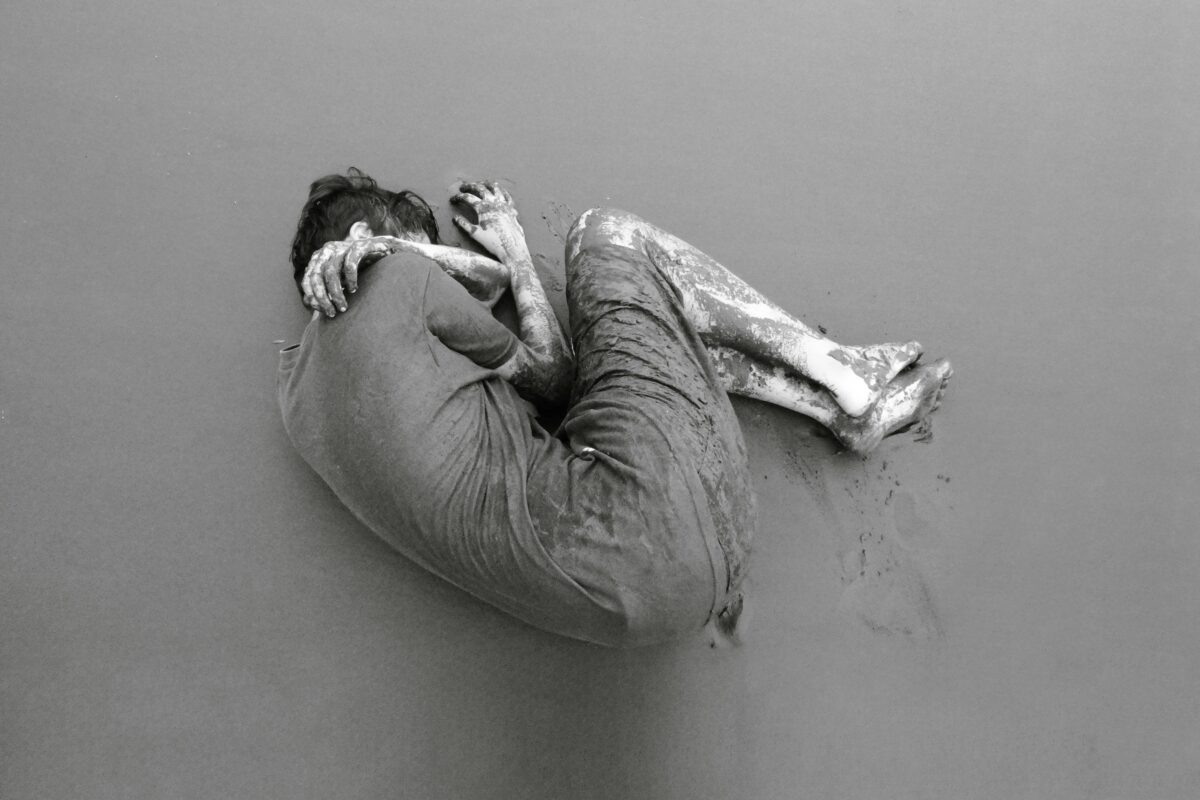
A calm relationship requires trust, patience, and emotional openness, which can feel intimidating for someone accustomed to tension. Drama provides a protective layer, allowing individuals to hide behind anger, sarcasm, or jealousy. The absence of conflict removes these defenses, leaving them feeling exposed and emotionally unguarded. In this sense, chaos can feel safer than serenity, leading some to unconsciously seek out turmoil even in otherwise healthy relationships.
Conclusion
Some people are secretly drawn to relationship drama because it offers intensity, attention, familiarity, control, emotional highs, distraction, and protection from vulnerability. While the excitement can feel exhilarating initially, this pattern often comes at a steep cost, eroding trust, exhausting emotional resources, and preventing the formation of truly healthy bonds. Real intimacy does not require constant upheaval; passion and excitement can coexist with stability, calm, and mutual respect. Learning to value peace over chaos is the key to healthier, more fulfilling relationships, where love is measured by connection and security rather than drama and tension.