Check Your Freezer: Lidl Recalls Popular Gelato Over Dangerous Bacteria Concerns
That delicious pint of gelato sitting in your freezer might deserve a second look before you grab a spoon. Lidl has recalled a particular batch of its Gelatelli Coffee & Vanilla Gelato after routine testing detected bacteria that can cause serious illness. And here’s the tricky part: the affected product has a best-by date in 2028, meaning shoppers could easily keep it tucked away for months without realizing there’s a problem.
The voluntary recall was announced on October 16, 2026, and published by the U.S. Food and Drug Administration (FDA) the following day. It covers one specific lot sold at Lidl locations across nine states and Washington, D.C. If you’ve recently stocked up on frozen treats, checking the bottom of your container could save you some trouble.
What Prompted the Gelato Recall?

The problem came to light during routine quality testing, when a laboratory sample tested positive for Listeria monocytogenes. This bacterium can cause listeriosis, an infection that sometimes leads to serious complications.
Rather than waiting for customers to report problems, Lidl voluntarily recalled the affected batch.
According to the company’s October 16 announcement, no illnesses had been reported at that time. That’s encouraging news, but it doesn’t mean shoppers should ignore the warning.
The company hasn’t publicly identified exactly what kind of sample tested positive. It also hasn’t disclosed the manufacturing facility involved or explained how the contamination may have happened.
For customers, though, the immediate message is straightforward: check your freezer and avoid eating the recalled product.
Here’s the Exact Gelato You Need to Check
Before you start throwing away every frozen dessert in sight, there’s an important detail to understand. This recall doesn’t cover every Gelatelli product.
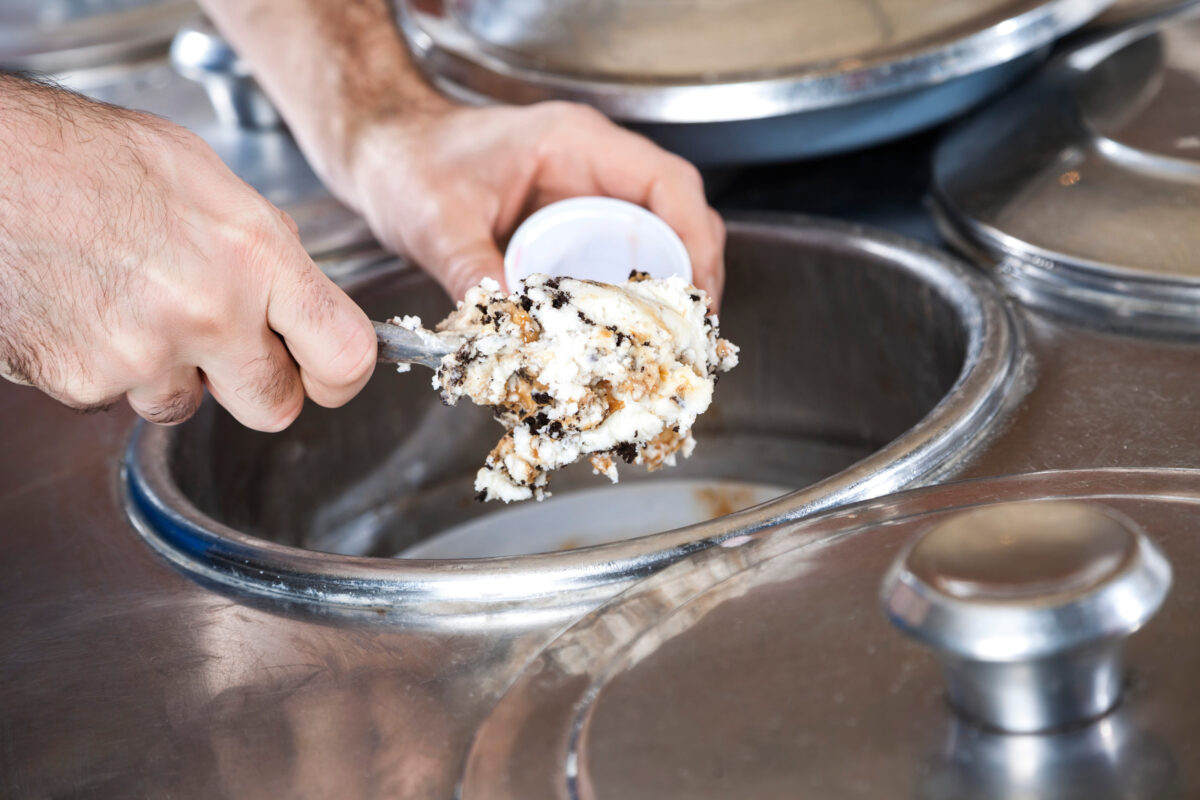
It applies to one specific lot of Gelatelli Coffee & Vanilla Gelato with Coffee Sauce & Cookie Pieces.
The identifying information appears on the bottom of the clear plastic container with a brown lid, so you may need to turn the tub upside down to find it.
That March 2028 date is particularly important. A shopper might see it and assume there’s no reason to worry about a product with so much time left before its best-by date.
Unfortunately, a distant best-by date doesn’t cancel out a recall. The affected lot should be discarded or returned regardless of what the date suggests.
Where Was the Recalled Gelato Sold?
The affected gelato was distributed to Lidl stores between July 19 and October 15, 2026.
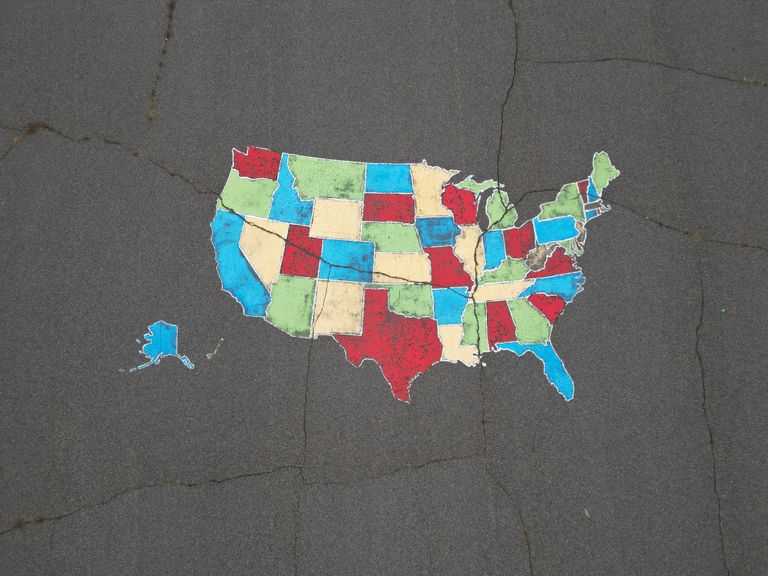
According to the FDA-posted announcement, distribution included nine states and Washington, D.C.:
- Delaware
- Georgia
- Maryland
- New Jersey
- New York
- North Carolina
- Pennsylvania
- South Carolina
- Virginia
- Washington, D.C.
This wasn’t announced as a nationwide recall, and no other grocery chain was identified in the official notice.
Still, if you purchased this particular gelato during the distribution period, it’s worth checking the package rather than relying on when you remember buying it.
Frozen desserts have a habit of disappearing behind bags of vegetables and other forgotten freezer finds. A container purchased weeks ago could easily remain unopened today.
Why Is Listeria Such a Serious Concern?
Listeria isn’t something to dismiss as an ordinary food-quality issue.
The Centers for Disease Control and Prevention (CDC) explains that listeriosis can cause symptoms ranging from vomiting and diarrhea to fever, muscle aches, headaches, and a stiff neck. More serious infections may also cause confusion or loss of balance.
Pregnant women, newborns, adults aged 65 and older, and people with weakened immune systems face a greater risk of severe complications.
Another important detail is that symptoms don’t always appear immediately. Certain intestinal symptoms may develop within 24 hours, but more serious invasive infections typically begin within two weeks of exposure.
And don’t count on the freezer to solve the problem. Freezing doesn’t reliably eliminate Listeria bacteria, so keeping the recalled gelato frozen won’t make it suitable to eat.
If you’ve eaten the affected product and develop a fever or other symptoms, contact a healthcare professional and mention the possible exposure.
What Should You Do if You Bought the Recalled Gelato?
Thankfully, dealing with the recalled product doesn’t require complicated paperwork.
Lidl has provided two straightforward options.
You can immediately discard the affected gelato or return it to your nearest Lidl store for a full refund.
You don’t need a receipt to receive the refund.
That’s particularly helpful for anyone who purchased the product weeks or months ago and no longer has proof of purchase.
If you’re throwing it away, place it in a sealed bag before putting it in the trash. Wash your hands and clean any utensils, surfaces, or reusable containers that may have touched the recalled food.
The important thing is to avoid tasting the gelato to determine whether something seems wrong. A normal appearance, smell, or flavor cannot establish that a recalled product is free of contamination.
Need Help? Here’s How to Contact Lidl
If you’re unsure about the product details or have questions about getting your money back, Lidl has provided a customer-care number.
You can reach Lidl US at (844) 747-5435.
Representatives are available Monday through Saturday, from 8 a.m. to 8 p.m. Eastern Time.
Lidl has also acknowledged the inconvenience caused by the recall.
The company hasn’t disclosed how many containers were affected or whether additional corrective measures have been completed. The official announcement identifies just one recalled lot, so shoppers should focus on matching the specific product information rather than assuming the entire Gelatelli range is affected.
Why It’s Worth Checking Your Freezer Today
Here’s what makes this recall easy to overlook: the affected gelato looks like an ordinary frozen dessert, and its best-by date stretches all the way into March 2028.
Nothing about that date would naturally make a shopper think the product needs attention in October 2026.
But recalls aren’t determined by how much shelf life a product has left. They’re about identifying potential problems and keeping affected items out of consumers’ hands.
The good news is that Lidl has provided clear product codes, distribution details, and refund instructions. And no illnesses had been reported when the recall was first announced.
So, before your next late-night dessert craving, give that coffee and vanilla gelato a quick inspection. Check the bottom, compare the numbers, and take the recommended action if they match.
A minute spent checking a container is much better than discovering the recall after dessert.