Darryl Strawberry Had Rings and Fame, but Says Only Christ Filled the Void
For years, Darryl Strawberry looked like a man who had everything. Towering home runs, packed stadiums, championship celebrations and national fame made him one of baseball’s most recognizable stars, yet Strawberry says the applause never reached the deepest part of his life.
In a Fox News interview released July 18, 2026, the former Major League Baseball slugger described an “empty void” that remained after he achieved the success most athletes only dream about. His conclusion was direct: “Christ is the only one that could fill that empty void.”
Baseball Gave Him Fame, but Not Peace
Strawberry’s baseball résumé still commands attention. The New York Mets selected him first overall in the 1980 draft, and he reached the majors in 1983, hitting 26 home runs and earning National League Rookie of the Year honors.
He became an eight-time All-Star and finished his 17-season career with 335 home runs, 1,000 runs batted in, and 221 stolen bases. With the Mets, he hit a franchise-record 252 home runs, helped power the club to its 1986 World Series championship, and later enjoyed additional championship success with the New York Yankees.
The numbers explain why fans saw Strawberry as a baseball giant. His smooth left-handed swing could turn a pitch into a soaring souvenir, while his rare combination of power and speed made him one of the most dangerous players of his era.
But the public victories hid private pain. Strawberry’s career and early retirement years were marked by substance abuse, legal trouble, damaged relationships and serious health battles, including colon cancer.
He also served 11 months in a Florida prison following repeated probation violations. Strawberry no longer softens those chapters because he believes honesty about the wreckage makes his transformation easier to understand.
Success, in his telling, could distract him but could not heal him. The trophies proved he could dominate a baseball game, yet they could not settle the turmoil he carried when the crowd disappeared and the clubhouse grew quiet.
Strawberry has spoken before about trying to fill that emptiness with drugs, women, and achievement. None of it delivered the peace he expected, even when his name appeared on All-Star rosters and his team stood on baseball’s biggest stage.
A Mother’s Prayers and a Wife Who Would Not Give Up

Strawberry credits two women with guiding him back toward faith: his late mother, Ruby, and his wife, Tracy. In the Fox interview, he said his mother’s prayers stayed with him and that Tracy helped lead him back to church and toward a deeper understanding of Scripture.
Ruby Strawberry died in 1996, but her influence remained central to her son’s recovery story. Strawberry has said she raised him correctly and that his destructive choices were his own, a striking admission from someone who could easily blame fame, pressure, or childhood pain.
“My sweet little mother. She raised me right,” Strawberry previously said while reflecting on his past. He added that his wife’s help and his mother’s prayers eventually brought him “full circle.”
Tracy entered his life when both understood the damage addiction could cause. The two met through the recovery community, and Strawberry has said her example of living for Christ helped draw him back into church and toward a transformed life.
That transformation was not an instant escape from consequences. Strawberry still had to face the results of his decisions, rebuild damaged relationships, and learn to live differently after years of chaos.
His faith, however, gave those difficult steps a purpose. Instead of viewing his past only as a collection of failures, he began using it as evidence that a person’s worst season does not have to become the final chapter.
From Home Run Star to Minister
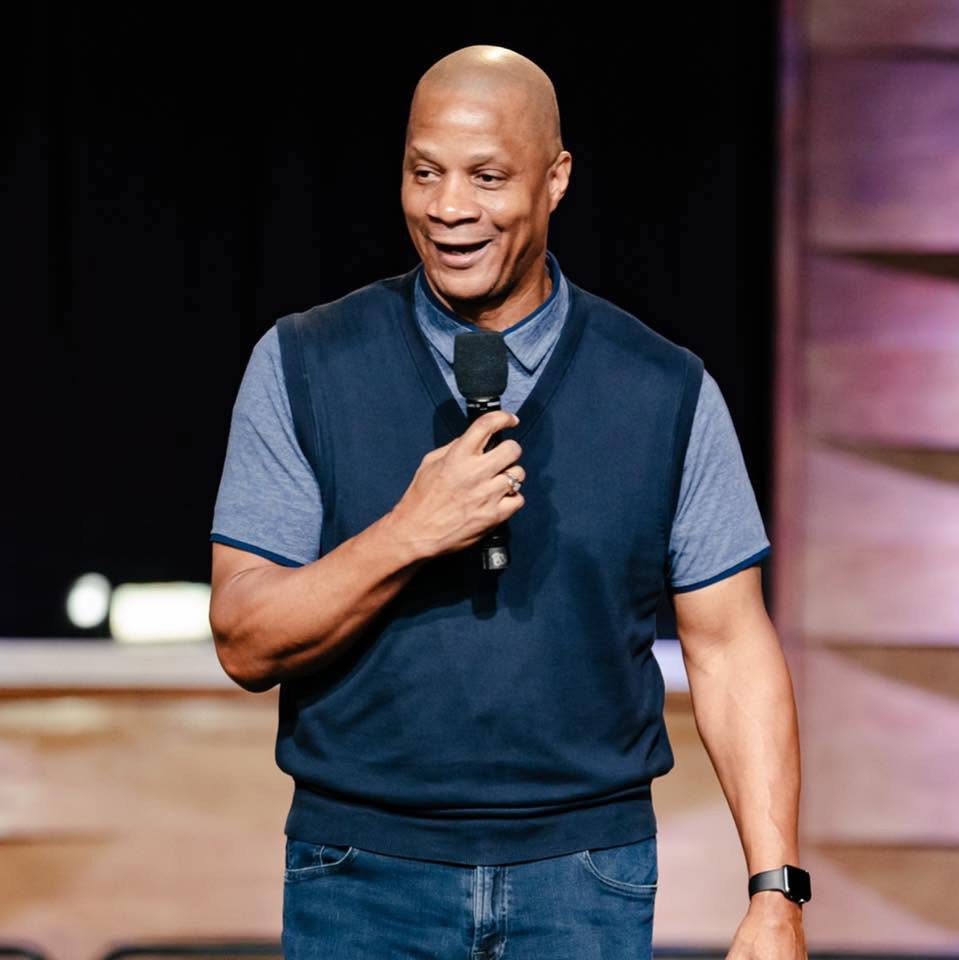
Today, Strawberry is not simply a retired athlete giving motivational speeches. He is an ordained Christian minister who travels widely, shares his testimony, and works with Tracy to help people facing addiction, emotional wounds, and other life-controlling struggles.
Their ministry describes its mission in terms of restoration, freedom, and practical change. Strawberry’s message carries unusual force because he speaks as someone who reached the top of professional sports, fell publicly and survived.
Baseball has not forgotten him. The Mets inducted Strawberry into the team’s Hall of Fame in 2010 and retired his No. 18 at Citi Field on June 1, 2024, honoring the player who remains the franchise’s career home run leader.
Yet Strawberry now measures his life by something other than statistics. He has said that helping people and sharing his faith are more meaningful than hitting a baseball, a remarkable statement from a man whose swing once defined him.
His comments are not an attack on achievement. They are a warning against asking success to perform a job it cannot do: providing identity, forgiveness, peace, and lasting purpose.
Strawberry had the fame, money, rings, and roar of New York crowds. What he says he lacked was wholeness, and his testimony is that neither another home run nor another standing ovation could supply it.
The man once celebrated for sending baseballs into the upper deck now tells audiences that his greatest rescue happened far from the batter’s box. For Darryl Strawberry, the defining victory was not winning a championship, but discovering a faith strong enough to fill the silence after the cheering stopped.