Fauci Invokes Fifth Amendment 111 Times During Senate Hearing as Lawmakers Threaten Contempt Vote
The long-awaited Senate showdown over Dr. Anthony Fauci’s role in the COVID-19 response took a dramatic turn Wednesday as the former National Institute of Allergy and Infectious Diseases director repeatedly declined to answer lawmakers’ questions, invoking his Fifth Amendment rights more than 100 times.
Fauci’s appearance before the Senate Homeland Security and Governmental Affairs Committee quickly became a heated confrontation over the government’s handling of the pandemic, COVID-19 origins, public health guidance, and accusations that his past statements conflicted with newly released personal records.
The hearing placed Fauci back at the center of one of the most politically charged debates in recent American history, with lawmakers divided over whether his actions represented responsible public health leadership or a failure of government transparency.
Rand Paul Challenges Fauci Over COVID Statements and Newly Released Diaries
Sen. Rand Paul, R-Ky., who has repeatedly criticized Fauci’s pandemic-era decisions, used the hearing to question whether Fauci’s private writings matched the public statements he made during the COVID-19 crisis.
Paul argued that portions of Fauci’s newly released COVID-era diaries raised questions about what officials knew, when they knew it, and whether the public received complete information during the pandemic.
The senator has previously accused Fauci of misleading Americans about issues including COVID-19’s origins, research funding, and pandemic policies. Fauci has consistently rejected accusations that he intentionally misled the public and has defended his record as being based on available scientific evidence.
During the hearing, Fauci declined to answer many questions, citing his constitutional protection against self-incrimination.
The repeated use of the Fifth Amendment became the central focus of the hearing, with Republican lawmakers arguing that Americans deserved direct answers about decisions made during one of the most disruptive periods in modern history.
Fauci Defends His Right to Invoke the Fifth Amendment
Fauci’s decision to invoke the Fifth Amendment created a major point of disagreement between lawmakers.
The constitutional protection allows individuals to refuse to answer questions when they believe their responses could potentially be used against them in a criminal case.
Fauci’s legal team argued that he was exercising a constitutional right and that doing so should not be interpreted as an admission of wrongdoing.
The former health official has faced years of political attacks related to his leadership during the pandemic. Supporters say he became a target because he represented public health restrictions that were unpopular with many Americans. Critics argue the hearing was necessary to examine unanswered questions surrounding pandemic policies.
The confrontation reflected a broader national debate about accountability, scientific authority, and public trust in government institutions.
Republicans Raise Questions About Biden Pardon
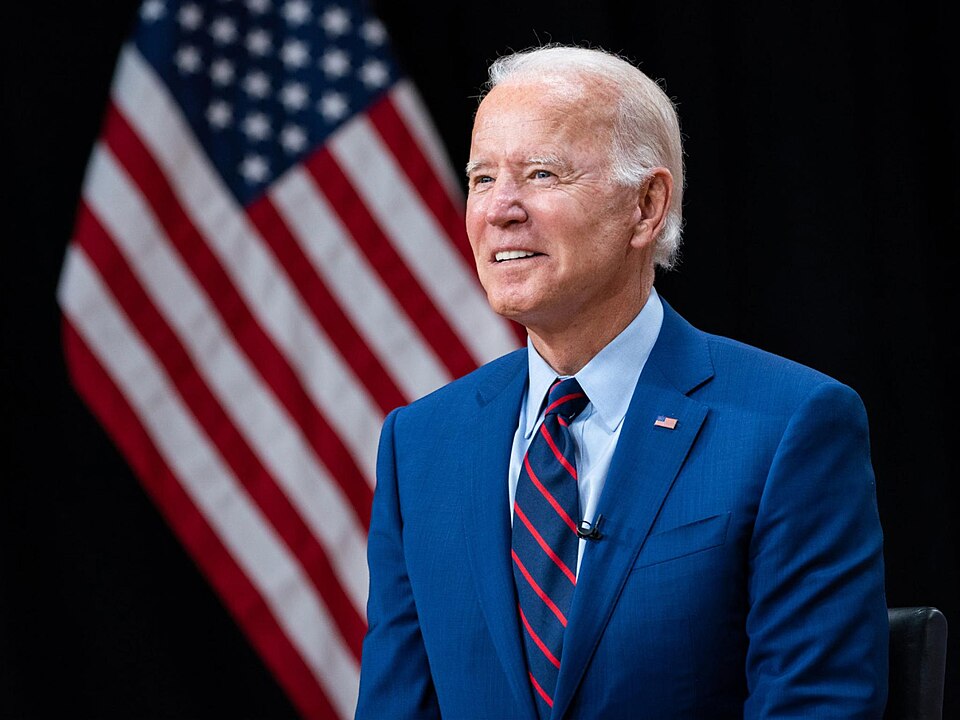
Republican lawmakers also focused on former President Joe Biden’s pardon of Fauci, arguing that the protection does not cover potential false statements made during congressional testimony.
The pardon reportedly covered actions connected to Fauci’s government service from 2014 through the end of Biden’s presidency.
Republicans have argued that the pardon does not prevent Congress from investigating whether Fauci provided inaccurate information under oath during testimony.
Legal questions surrounding the scope of executive pardons remain complex. A pardon generally applies to federal crimes committed within a specified period, but questions can arise about how broadly it applies to future testimony or actions outside the stated coverage.
Democrats and Fauci’s defenders have argued that the pardon was justified because of the intense political pressure and threats Fauci faced after becoming one of the most recognizable figures of the pandemic response.
Senate Committee Moves Toward Possible Contempt Vote

After hours of questioning and repeated refusals to answer, Sen. Rand Paul announced that the Senate Homeland Security and Governmental Affairs Committee would vote the following week on a resolution to hold Fauci in contempt of Congress.
A contempt resolution would represent a significant escalation in the dispute between lawmakers and the former health official.
If approved by the committee, the matter could move forward through the Senate process, potentially creating additional legal and political battles.
The move reflects growing frustration among some lawmakers who believe Fauci has avoided accountability for decisions made during his time leading the nation’s top infectious disease agency.
However, supporters of Fauci argue that the hearing is part of a broader political effort to revisit pandemic controversies rather than a genuine investigation focused on improving future public health responses.
A New Chapter in the Ongoing COVID Accountability Debate

Fauci’s Senate testimony reopened many of the unresolved debates that have continued since the beginning of the COVID-19 pandemic.
Questions about the virus’s origins, government communication, research oversight, vaccine messaging, and public health restrictions remain deeply divisive issues in American politics.
For critics, Fauci’s repeated refusal to answer questions reinforced concerns about transparency.
For supporters, his testimony demonstrated a former public official exercising legal rights in response to politically charged questioning.
As the Senate considers whether to pursue a contempt resolution, the dispute is likely to continue fueling debate over accountability and trust in government institutions.
More than four years after the height of the pandemic, the fight over what happened behind closed doors remains far from over.