8 Kitchen Items Americans Used to Repair That We Now Just Throw Away
Remember when a broken kitchen appliance didn’t automatically mean buying a new one? Many American families first tried to figure out what went wrong, find a replacement part, or take the item to someone who knew how to fix it.
Kitchen drawers held spare cords, old instruction manuals, and mysterious parts saved for future repairs. People even fixed everyday tools instead of discarding them at the first sign of trouble.
Repairing household appliances was familiar enough that books and magazine columns once explained how to service them. A 1974 issue of Radio-Electronics, for example, discussed small appliances designed with replaceable modules.
Although repairs still happen today, these eight kitchen items remind us of a time when fixing something could seem more natural than replacing it.
Electric Toasters
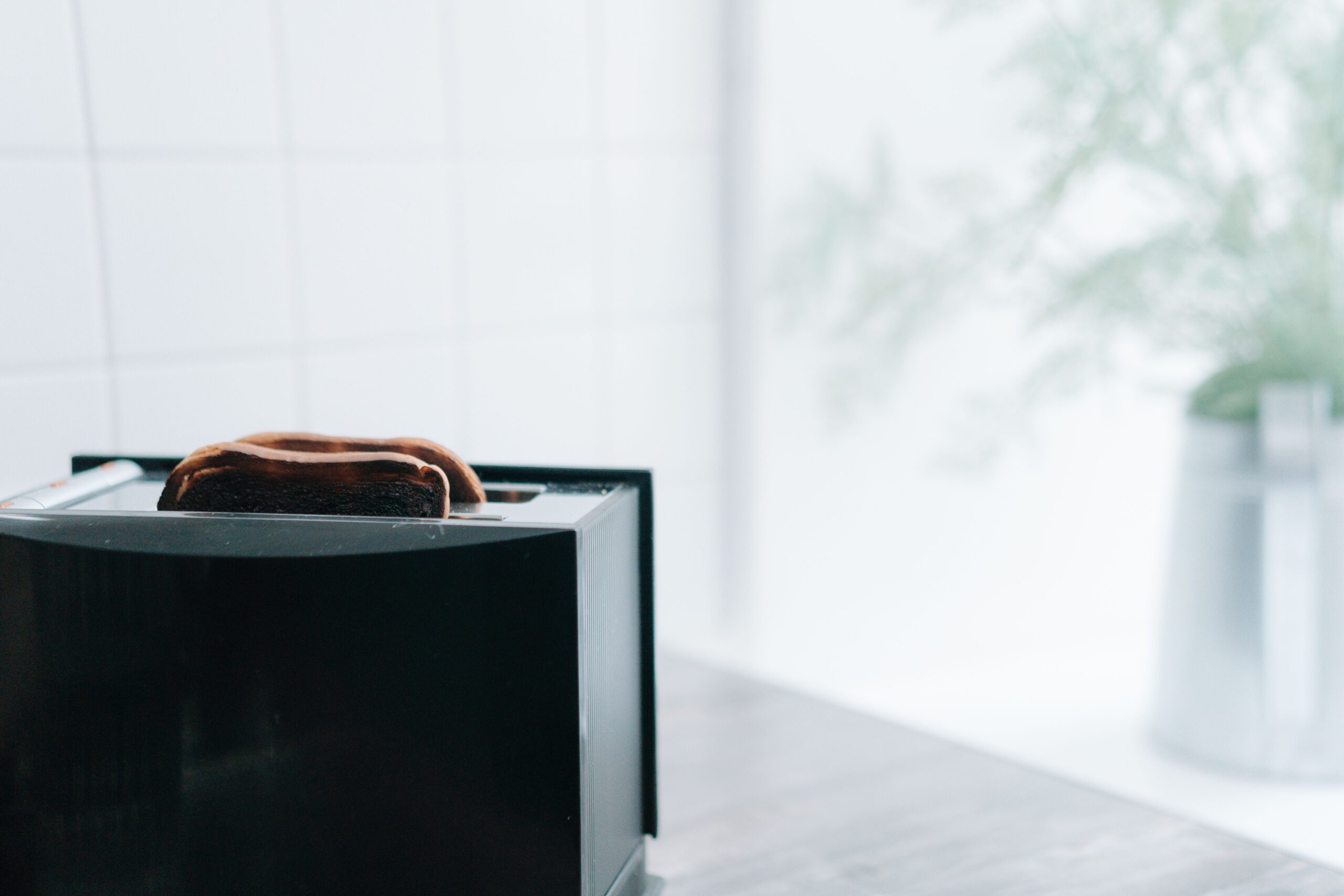
That shiny metal toaster sitting on Grandma’s counter wasn’t necessarily destined for the trash when something stopped working. Older pop-up toasters had mechanical linkages, springs, heating components, and electrical connections that people could sometimes service or replace.
Instead of buying another toaster right away, a household might consult a repair guide or visit a small-appliance repair shop. A fascinating example appeared in a March 1974 Radio-Electronics article discussing modular appliances, including a toaster designed with replaceable assemblies.
The idea was straightforward: make certain components easier to remove and service. Of course, not every vintage toaster was designed this way. Today, inexpensive replacement models can make professional repairs less attractive financially.
However, you should never casually rewire or modify a damaged electric toaster at home. Professional evaluation remains the sensible option when electrical components fail.
Electric Coffee Percolators
Before automatic drip coffee makers became fixtures in American kitchens, electric percolators were familiar countertop companions. Their bubbling sound and distinctive metal bodies became part of many households’ morning routine.
Depending on the model, these appliances included heating elements, thermostats, and detachable power cords. When something failed, some percolators could be serviced rather than discarded immediately.
The same 1974 Radio-Electronics article described an electric percolator among a group of modular appliances designed to simplify servicing. That doesn’t prove every family repaired its coffee pot, but it shows manufacturers were exploring ways to make repairs easier.
Today’s coffee appliances vary considerably in construction and repair options. For anyone who remembers an old percolator bubbling away on the kitchen counter, the sound alone may bring back memories of breakfast before school.
Stand Mixers and Hand Mixers
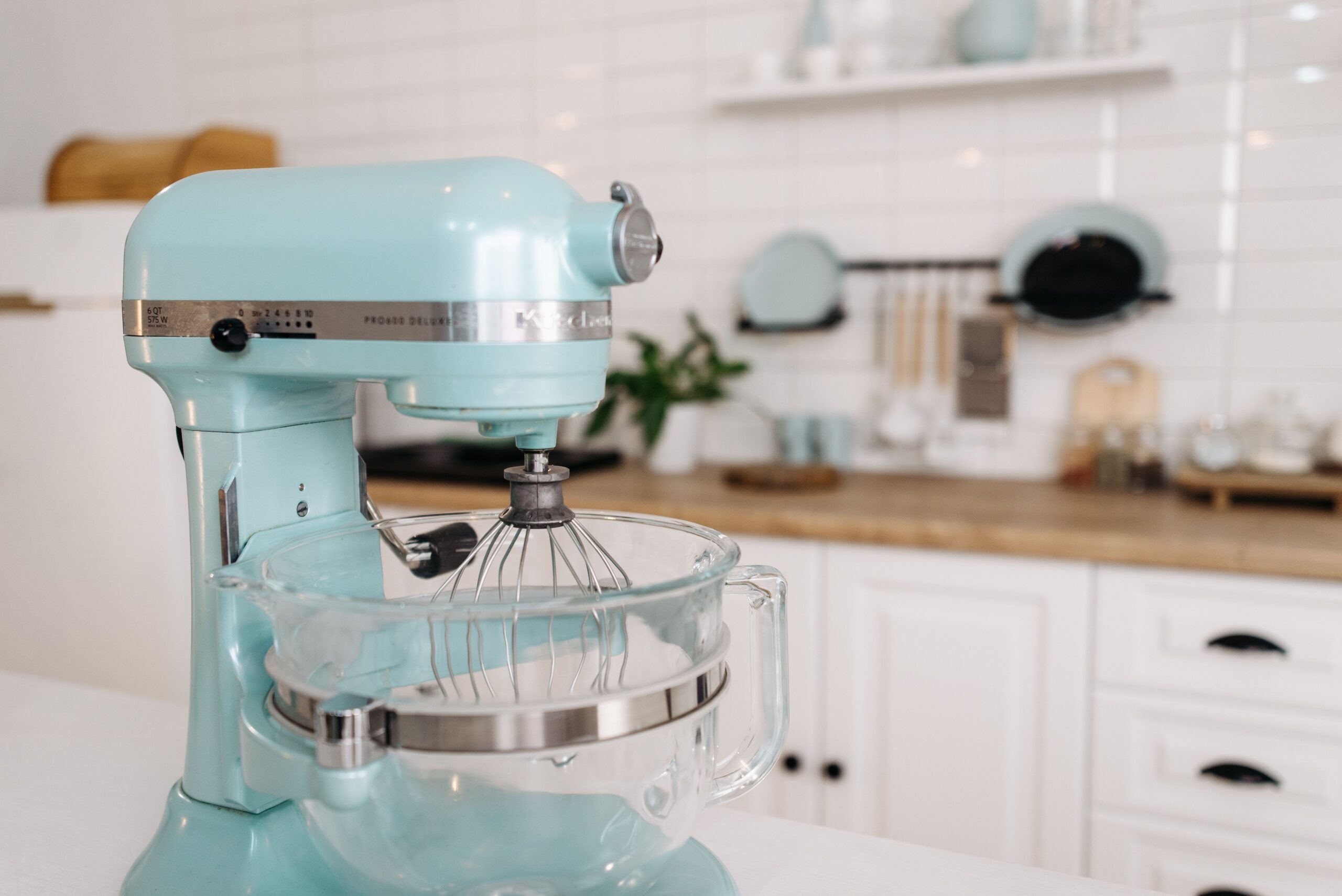
A vintage stand mixer could be one of the most recognizable appliances in a family kitchen. Brands such as Sunbeam and KitchenAid became associated with baking projects, holiday preparations, and bowls of batter waiting to be mixed.
Mixers contained mechanical and electrical components that could sometimes be serviced when problems developed. Replacement beaters, damaged cords, worn gears, and other parts created opportunities for maintenance or professional repair.
Some families kept older mixers running rather than treating every malfunction as a reason to buy another appliance. Interestingly, this repair tradition hasn’t disappeared.
KitchenAid still provides troubleshooting guidance and information about replacement mixer parts through its official support resources. That makes mixers a useful reminder that repairability depends on the particular appliance. An old mixer on the counter may evoke wonderful memories, but its continued usefulness often depends on whether suitable parts and qualified service remain available.
Manual Can Openers
Before electric can openers became common in many kitchens, sturdy hand-operated models handled the job. They weren’t complicated machines, but their gears, cutting wheels, handles, and moving parts still required attention.
A can opener that became difficult to turn might need cleaning or maintenance rather than immediate replacement. Some designs allowed particular components to be replaced, although that wasn’t true of every inexpensive household model.
Unlike an electric appliance, a manual can opener offered a relatively straightforward mechanical system. For some households, keeping a familiar opener working was simply part of everyday kitchen maintenance.
Today, basic manual can openers are readily available, so replacing one is an easy choice when it stops working properly. But cleaning and checking the mechanism may still resolve minor problems. However, a badly damaged cutting wheel or unreliable mechanism is a reason to stop using the opener rather than force it through another can.
Stovetop Pressure Cookers
Pressure cookers are among the clearest examples of kitchen equipment designed with replaceable components. Traditional stovetop models often featured sealing rings, pressure regulators, and other parts requiring inspection or replacement.
Instead of replacing the entire cooker when a rubber seal wore out, owners could sometimes purchase the correct replacement. That practice continues today. For example, Presto sells replacement sealing rings and overpressure plugs for specifically identified pressure-cooker models.
The company emphasizes compatibility, making it important to match replacement parts to the correct appliance. This is one area where maintenance should never become improvised repair work. Pressure cookers rely on properly functioning components, and damaged vessels or safety mechanisms require particular care.
Still, the familiar ritual of checking a gasket before preparing dinner illustrates how maintaining a kitchen appliance can remain practical across generations. Not everything with a worn component needs to become kitchen clutter.
Kitchen Knives
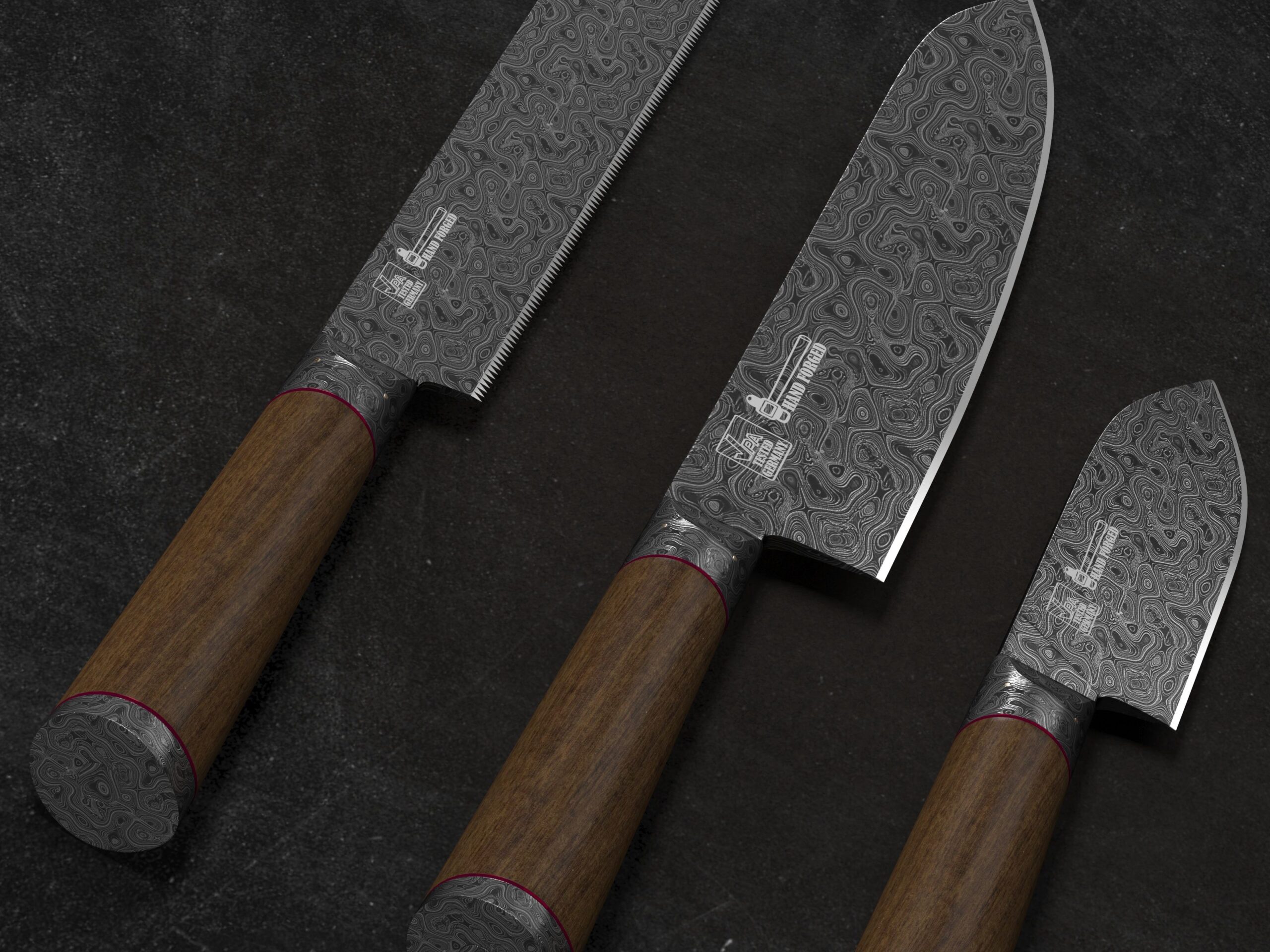
Many households expected a good kitchen knife to last for years. Rather than replacing a knife whenever its edge became dull, owners could sharpen it themselves or use a professional sharpening service. Sharpening stones, honing tools, and specialized cutlery services supported this approach to maintaining kitchen equipment.
Some knives also needed attention when handles became loose or damaged, though structural repairs require more care than sharpening. The distinction matters because sharpening isn’t the same as repairing a broken blade.
A properly maintained knife can remain useful, but severe damage may make replacement the appropriate choice. Today, inexpensive knife sets make it tempting to discard a dull or damaged knife. Yet professional sharpening services and home maintenance tools remain available.
For anyone who remembers watching a parent carefully sharpen a favorite kitchen knife, the deliberate process may be as memorable as the family meals prepared afterward.
Countertop Blenders
An old countertop blender often had a sturdy-looking base, a removable jar, and a collection of parts that needed occasional attention. Depending on the design, you could sometimes replace components such as blade assemblies, sealing rings, jars, and drive couplings separately.
That meant a damaged jar or worn seal didn’t necessarily require buying an entirely new appliance. Manufacturer parts systems and repair documentation supported servicing for some models.
Today, blender repair options vary considerably. Certain manufacturers still offer replacement containers and other components, while parts for older or less expensive machines may be difficult to find.
This makes blenders an interesting example of the repair-versus-replace decision. When replacement parts are available and reasonably priced, keeping an existing blender may make sense.
But if the motor or electrical system fails, a professional assessment is better than experimenting with internal components. The important question isn’t whether the blender looks old. It’s whether a suitable, reliable repair is possible.
Electric Waffle Irons and Griddles
For many families, the weekend kitchen wouldn’t have felt complete without a waffle iron or electric griddle. These countertop appliances turned ordinary breakfast preparations into something a little more special.
Their construction often included heating elements, controls, electrical connections, and removable or serviceable components, depending on the model. Historical household repair guides covered a wide range of small electrical appliances, showing that servicing wasn’t limited to major refrigerators or stoves.
A malfunctioning temperature control or power connection could sometimes lead to a repair-shop visit rather than an immediate replacement. Today, many affordable countertop cooking appliances are easier to replace than to have a professional service.
Still, that doesn’t mean every current waffle iron is disposable or every vintage example is worth repairing. A qualified technician should assess electrical faults, especially in older equipment. Sometimes the strongest memory isn’t the appliance itself, but the family gathering around it while breakfast cooked.
Why Did Repairing Kitchen Items Become Less Common?
The shift toward replacement isn’t explained by one simple cause. Replacement prices, repair labor costs, product construction, and access to spare parts can all influence whether fixing an appliance makes financial sense.
In a 2021 report, the Federal Trade Commission examined restrictions that can make consumer products harder to repair, including limited access to replacement components and technical information.
However, those findings don’t establish that every modern kitchen appliance is impossible to repair or that every older appliance was built to last. Many manufacturers still provide parts, troubleshooting information, or professional service for selected products.
The bigger lesson from these old kitchen items is to consider maintenance and repair before replacement.