10 Steak-Searing Myths That Could Be Ruining Your Steak Without You Knowing
Nothing beats the sound of a steak sizzling in a hot skillet, especially when you’re expecting a beautifully browned crust and a tender, flavorful center. But cooking a great steak isn’t always as simple as following the advice passed down through generations. Some of the most popular steak-cooking rules are actually misconceptions that could be preventing you from getting the results you want.
From leaving meat on the counter before cooking to flipping it only once, several familiar techniques deserve a second look. Cooking experts have challenged these long-standing beliefs and explained how temperature, moisture, seasoning, and timing affect the final result. Here are 10 common steak-searing myths worth reconsidering before your next steak dinner.
Steak Must Reach Room Temperature Before Cooking
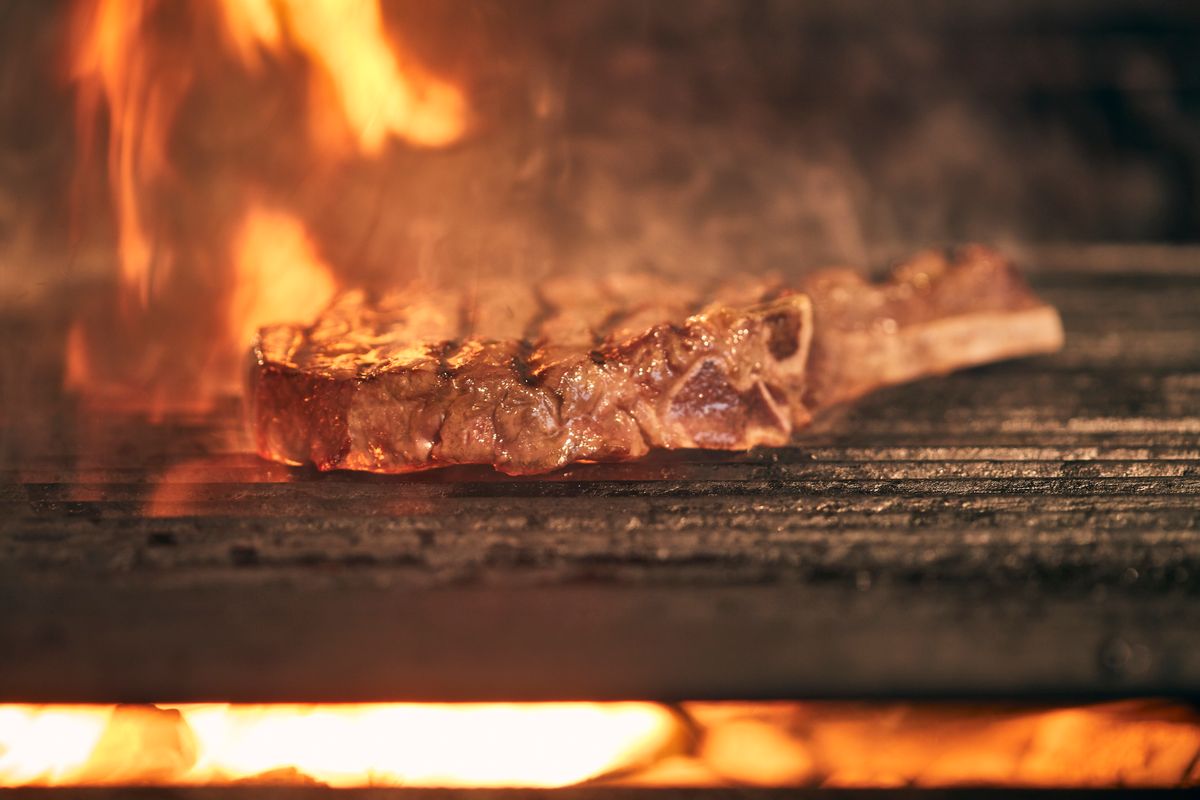
You’ve probably heard that steak should sit on the counter before cooking to cook more evenly. However, leaving a thick steak out for 20 or 30 minutes doesn’t necessarily warm its center enough to make a meaningful difference. You can cook steak directly from the refrigerator without sacrificing the quality of the finished crust.
What matters more is controlling the cooking temperature and checking the meat’s internal temperature. Leaving raw steak out for extended periods also creates unnecessary food safety concerns. Focus on proper preparation instead of letting the steak sit at room temperature.
You Can Cook Steak Straight From Its Packaging
Taking steak straight from its packaging and putting it in a hot pan might save a few seconds, but it can hinder browning. Meat often has moisture on its surface, and that moisture must evaporate before you can sear effectively. Instead of developing a rich brown exterior immediately, the steak may spend valuable cooking time steaming.
The solution is surprisingly simple and requires no special equipment. Gently pat both sides of the steak dry with clean paper towels before cooking. This helps the surface brown more efficiently and encourages a flavorful crust.
You Should Only Salt Steak Immediately Before Cooking
Salting steak immediately before cooking can work, but it isn’t the only effective approach. According to Serious Eats’ steak-cooking guidance, seasoning at least 40 minutes ahead gives salt time to interact with surface moisture. The resulting salty liquid can move back into the meat while the exterior becomes better prepared for browning.
For convenient preparation, season your steak and leave it uncovered in the refrigerator overnight. This technique, commonly called dry-brining, helps season the meat while drying its surface. If you don’t have enough time, salting immediately before cooking remains a practical alternative.
Grilling Is the Only Way to Make a Great Steak
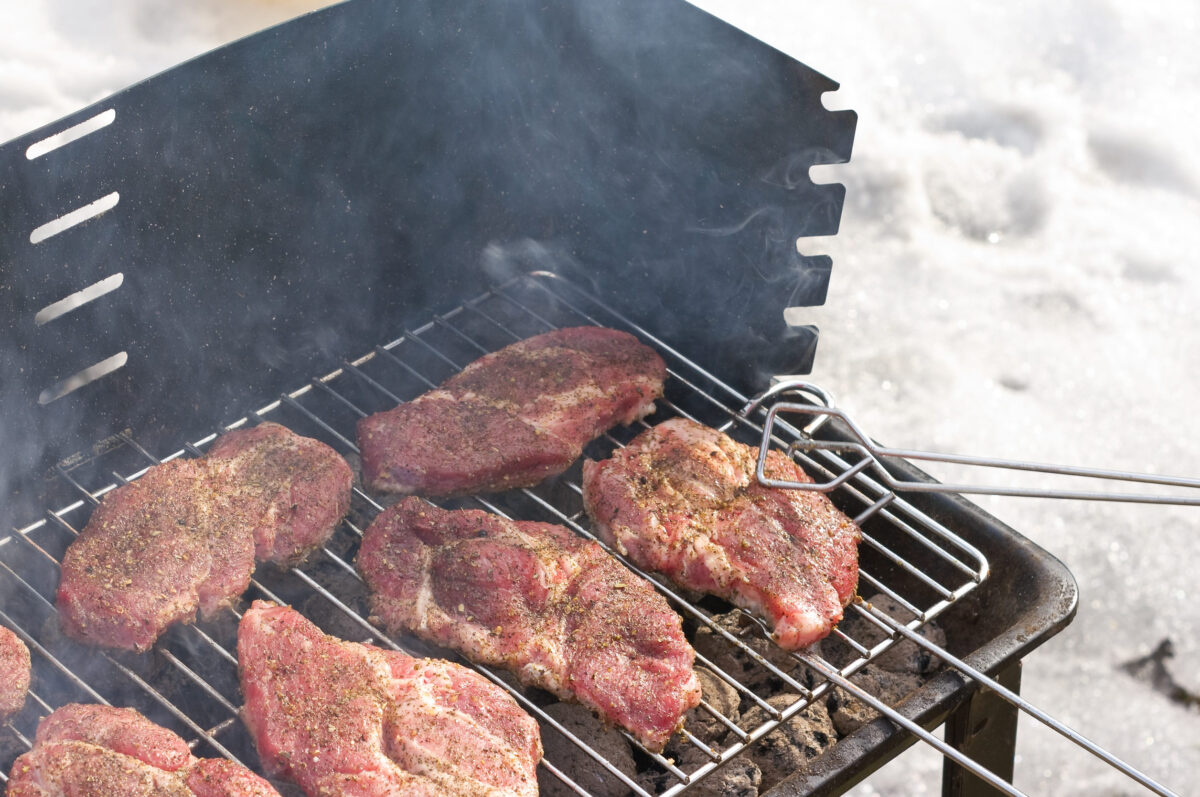
Grilling has undeniable appeal, especially when smoky flavor and attractive grill marks are part of the experience. However, a grill isn’t automatically better than a skillet for developing a deeply browned crust. A heavy pan provides continuous contact with the meat, allowing more of its surface to brown evenly.
Cast-iron skillets are particularly useful because they retain heat well during cooking. They also make it easier to control the steak’s contact with the cooking surface. A properly heated skillet can deliver excellent steakhouse-style results without requiring an outdoor grill.
Related: chicago-stole-new-yorks-steakhouse-crown-and-meat-lovers-are-booking-flights-to-the-windy-city/
Searing Steak Locks in Its Juices
Few cooking myths have survived as long as the belief that searing creates a protective seal around meat. In reality, a browned crust doesn’t prevent moisture from escaping during cooking. High heat can actually increase moisture loss, making temperature control essential.
So why bother searing steak at all? The answer is flavor, particularly the Maillard reaction, which occurs when certain compounds in food react under heat and produce complex aromas and browned surfaces. As Serious Eats explains, managing heat and surface moisture helps encourage this reaction.
The Pan Must Always Be Extremely Hot
A hot skillet works for traditional steak searing, but extreme heat isn’t the only path to great results. Thick steaks can benefit from reverse searing, a method that starts with gentle cooking before finishing with a brief, high-temperature sear. This approach gives cooks greater control over the interior while still developing an appealing crust.
The technique typically involves cooking the steak slowly in a low oven before transferring it to a hot skillet. Gradual heating can reduce the thick gray band sometimes found beneath an aggressively seared exterior. It is especially useful when preparing larger, thicker cuts.
Any Cooking Fat Works for Searing
Not every cooking fat performs equally well at the temperatures commonly used to sear steak. Regular butter contains milk solids that can burn when exposed to intense heat for too long. Starting with butter alone may therefore produce unwanted burnt flavors before the meat finishes cooking.
Neutral oils with relatively high smoke points, including refined avocado oil and grapeseed oil, are practical options. Butter can still play an important role when added toward the end of cooking. Basting the steak with melted butter during the finishing stage adds richness without exposing it to prolonged intense heat.
You Should Never Flip Steak More Than Once
The traditional advice to flip steak only once sounds convincing, but frequent turning doesn’t necessarily prevent good browning. In fact, turning the meat regularly can distribute heat more evenly throughout cooking. It may also reduce overcooked meat beneath the crust.
A Serious Eats explanation of frequent flipping describes how turning steak every 15 to 60 seconds can produce excellent results. The exact timing depends on factors such as thickness and cooking temperature. There’s no need to treat a single flip as an unbreakable rule.
Every Steak Should Be Cooked to the Same Temperature
Not all steaks have the same texture, thickness, or fat distribution. A lean tenderloin differs considerably from a heavily marbled ribeye, which can influence how people prefer to cook each cut. Consequently, one preferred doneness level won’t necessarily provide the same eating experience across different steaks.
However, personal preference should be distinguished from food safety guidance. The USDA recommends cooking whole beef steaks to a minimum internal temperature of 145°F, then resting for at least three minutes. An instant-read thermometer is the most reliable way to check that temperature rather than relying on appearance alone.
Resting Steak After Cooking Doesn’t Matter
Cutting into a steak immediately after removing it from the heat can be tempting, especially when dinner is ready. However, resting lets the steak cool slightly and allows carryover cooking to continue. It can also affect how much liquid escapes when the meat is sliced.
Many cooking guides recommend resting smaller steaks for approximately five to 10 minutes, with larger cuts sometimes requiring longer. The precise resting period depends on the steak’s size and cooking method. A short rest is a simple finishing step worth paying attention to.
The Bottom Line
Cooking an excellent steak doesn’t require complicated equipment or unquestioning loyalty to traditional rules. Small decisions, like drying the surface, seasoning ahead, choosing the right cooking fat, and managing heat, can make a noticeable difference. Understanding why these techniques work cuts down on the guesswork of preparing steak.
Perhaps the biggest lesson is that a great sear isn’t about trapping juices or using the hottest possible pan. It’s about developing rich flavor while controlling how the meat cooks. Once you understand that distinction, preparing a satisfying steak at home becomes much more manageable.
Other articles you may like:
– foods-you-should-never-wash-before-cooking/
– foods-you-should-never-store-in-the-fridge-heres-what-to-do-instead/
– the-grocery-store-switch-that-could-help-americans-cut-food-costs-without-giving-up-dinner-at-home-in-2026/