10 Restaurant Secrets That Are Secretly Driving Up Your Bill
Eating out is supposed to feel like a treat, not a quiet financial ambush wrapped in linen napkins and mood lighting. Yet many diners walk into restaurants expecting one kind of bill and leave staring at a total that somehow feels larger than the meal itself. The funny part is that the most expensive decisions often happen before the first bite arrives.
Restaurants are businesses, and good ones know how to sell an experience as much as they sell food. From menu design to portion upgrades, the little choices placed in front of you can gently push your spending higher without making you feel pressured. Once you notice the patterns, you can still enjoy the meal, but with a sharper eye and a calmer wallet.
Menu Design Makes Pricey Items Look Like the Smart Choice

A restaurant menu is rarely just a list of food. It is often designed to guide your eyes toward the dishes that bring in the most profit. Expensive items may be placed in the upper-right corner, highlighted in a box, or described with richer language to make them feel more special.
You might see one very expensive steak or seafood platter sitting near a slightly cheaper option. That pricey dish can make the next option feel reasonable, even when it is still more than you planned to spend. Suddenly, you are not choosing the affordable meal; you are choosing the one that feels like a deal compared with the most expensive item.
Fancy Descriptions Make Simple Ingredients Feel Premium
A plain chicken dish sounds ordinary, but herb-roasted chicken with garlic butter, garden vegetables, and house jus feels like an experience. Restaurants know that words can change the way people value food. The more sensory the description, the easier it becomes to justify a higher price.
This does not mean the food is bad or dishonest. It simply means language can dress up familiar ingredients and make them feel luxurious. Before ordering, it helps to ask what is actually on the plate rather than letting beautiful wording do all the thinking for you.
Drinks Can Become a Real Money Trap

Many diners focus on food prices and forget that drinks can quietly inflate the final bill. A cocktail before dinner, a glass of wine with the main course, sparkling water, coffee after dessert, and suddenly the drink total rivals the meal itself. Restaurants often earn strong margins on beverages, so servers may naturally suggest them early and often.
Even nonalcoholic drinks can add up faster than expected. Lemonades, mocktails, iced teas, bottled water, and specialty coffees may feel harmless because they are small purchases. By the time the bill arrives, those small extras can turn a modest dinner into a much larger spend.
Specials Are Not Always the Cheapest Choice
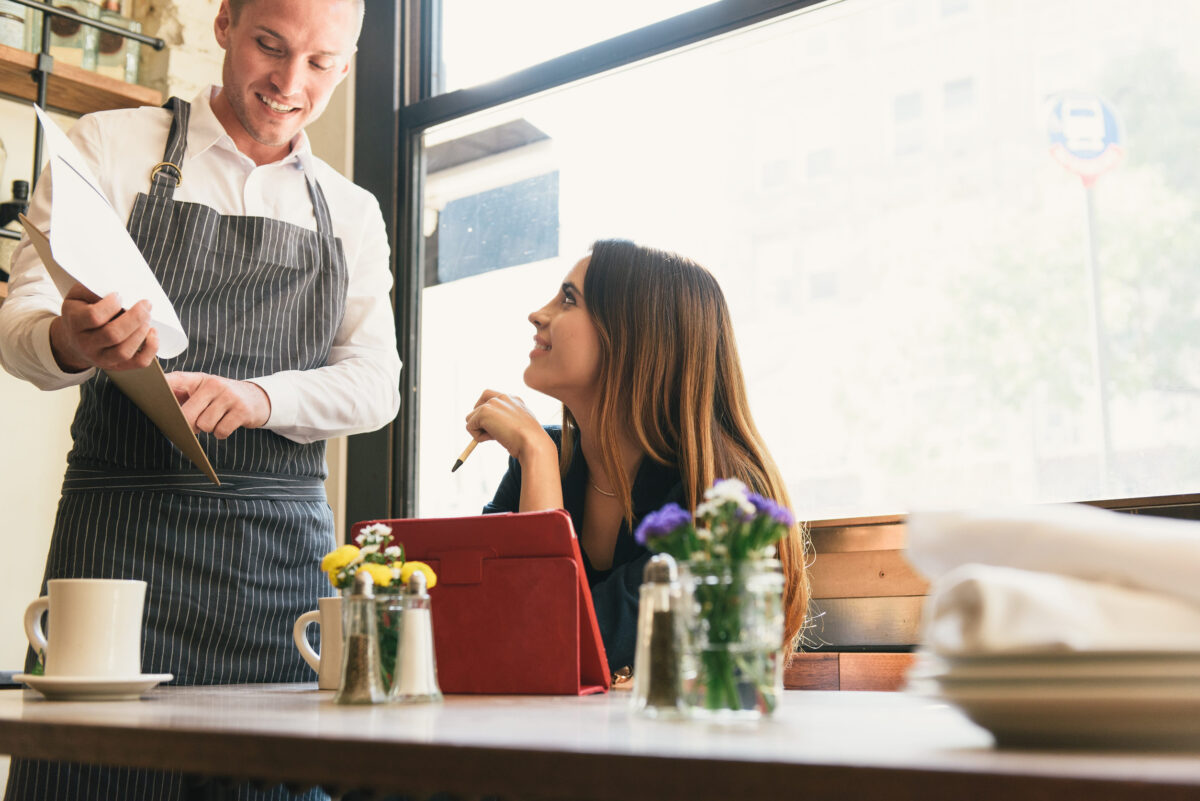
When a server announces the specials, many people assume they are hearing about a great value. Sometimes specials are genuinely fresh, creative, and worth ordering. Other times, they are priced higher than standard menu items because they sound exclusive and are not always listed with clear prices.
The danger is that spoken specials feel personal and exciting. You may feel awkward asking the price, especially at a nice restaurant. That hesitation can cost you, because a special seafood dish or a chef-selected entrée may end up on the bill for a much bigger number than expected.
Appetizers Make the Meal Feel Bigger Before You Notice
Appetizers are easy to order because they sound shareable and fun. One plate of calamari, one basket of bread, one dip for the table, and the meal starts feeling festive before anyone even touches the main course. The issue is that appetizers often add a large extra layer to the bill without replacing anything else.
Restaurants benefit because starters create momentum. Once the table begins ordering extras, it becomes easier to say yes to more drinks, sides, and dessert. If you are trying to control the bill, choosing one appetizer for the table instead of several can make a noticeable difference.
Side Dishes Turn One Meal Into Several Purchases
Some restaurants price the main dish separately from sides, which can make the entrée look cheaper at first glance. A steak may seem fairly priced until you realize potatoes, vegetables, sauces, and salads all cost extra. By the time the plate feels complete, the final price has climbed.
This ordering style is common in places that encourage diners to customize their meals. The experience can be enjoyable, but it rewards impulse spending. If the dish needs three paid extras to feel satisfying, it may not be as affordable as it first appeared.
Upselling Feels Helpful Until the Bill Arrives
A good server can make suggestions that genuinely improve your meal. The trouble begins when every suggestion adds cost. You may be asked if you want to add avocado, upgrade to a premium side, choose the larger portion, add shrimp, or try the aged cheese.
Each upgrade can sound small in the moment. A few dollars here and there does not feel dramatic, especially when everyone is relaxed and hungry. But those small additions can stack quickly, turning a simple order into something much more expensive.
Portion Sizes Can Push You Toward Spending More
Restaurants often use portion psychology to influence ordering. A small plate may feel too tiny, a large plate may feel excessive, and the middle option may feel just right. That middle choice is often where the restaurant wants you to land.
The same thing happens with wine pours, pasta sizes, combo meals, and sharing plates. When three sizes are available, diners often avoid the cheapest option because they fear it will not be enough. The restaurant does not have to pressure you, because the structure of the choices does the work quietly.
Service Charges and Fees Can Surprise Diners
Some restaurants add service charges, kitchen appreciation fees, delivery packaging fees, reservation fees, or automatic gratuities for larger parties. These charges may be disclosed on the menu, but they are easy to miss when you are focused on ordering. The final bill can feel shocking when taxes, fees, and tip expectations are combined.
This is especially common in busy cities, upscale restaurants, hotel dining rooms, and delivery orders. It helps to read the bottom of the menu before ordering, especially if you are dining with a group. A few extra lines of fine print can change the meal’s real cost.
Desserts Are Sold When Your Guard Is Down

By the end of dinner, people are usually relaxed, full, and in a better mood. That makes dessert an easy emotional sale. A server mentions chocolate cake, crème brûlée, warm pie, or a limited dessert special, and suddenly the table agrees to just one or two plates.
Dessert rarely feels like a major financial decision because it comes at the end. Yet it can add drinks, coffees, after-dinner cocktails, and extra time at the table. What started as a simple sweet ending can become the final push that makes the bill feel heavier.
Conclusion
Restaurant spending often rises because of small choices that feel harmless in the moment. A drink here, an appetizer there, a premium side, a special, and a dessert for the table can quietly reshape the entire bill. None of these choices is wrong, but they become costly when you make them without noticing the pattern.
The smartest diners do not have to become suspicious or joyless. They simply learn how restaurants make decisions, then choose with intention. Ask prices when they are not clear, check for fees, limit upgrades, and decide early where you actually want to spend. A great meal should leave you satisfied, not wondering how your wallet became the surprise side dish.