10 Popular Foods That Make Kidney Stones Worse
Kidney stones are painful and often linked to daily dietary choices. While many foods are generally healthy, they can increase the risk for those prone to stones. Habits such as frequent salty meals, daily spinach smoothies, excessive protein, or improper supplement use may gradually alter urine chemistry and promote stone formation. The aim is not to fear food, but to recognize which foods increase risk, which require moderation, and which seemingly healthy options may be problematic for those susceptible to stones.
These 10 foods are the biggest culprits, and cutting back or enjoying them in moderation can help protect your kidneys and prevent repeat trips to the doctor.
Spinach and Swiss Chard

Spinach smoothies and sauteed Swiss chard packs may feel like health boosters, but they’re high in oxalate, a compound that binds with calcium in your urine to form kidney stones. Even small, daily servings can raise your risk if your body is prone to calcium oxalate stones. Pairing these greens with calcium-rich foods at meals can reduce the danger, but moderation is key.
Oxalate-rich greens are common in salads, wraps, and juices, making overconsumption easy. Choosing lower-oxalate options such as kale, romaine, or bok choy provides nutrients without increasing the risk of stones. For those with a history of stones, every leafy green choice matters.
Beets and Rhubarb
These vibrant vegetables are delicious and nutritious, but they’re packed with oxalate, making them prime offenders for stone formation. Beets often hide in juices, roasted veggie mixes, or even cold salads, and rhubarb shows up in pies and desserts. For stone-prone individuals, these foods can tip the scales from harmless to hazardous.
Even moderate portions consumed frequently can contribute to crystal buildup. Enjoying them occasionally with calcium-rich meals, or substituting with low-oxalate vegetables like cauliflower or cabbage, is a safer strategy for maintaining kidney health while still eating colorful, satisfying meals.
Nuts and Nut Butters
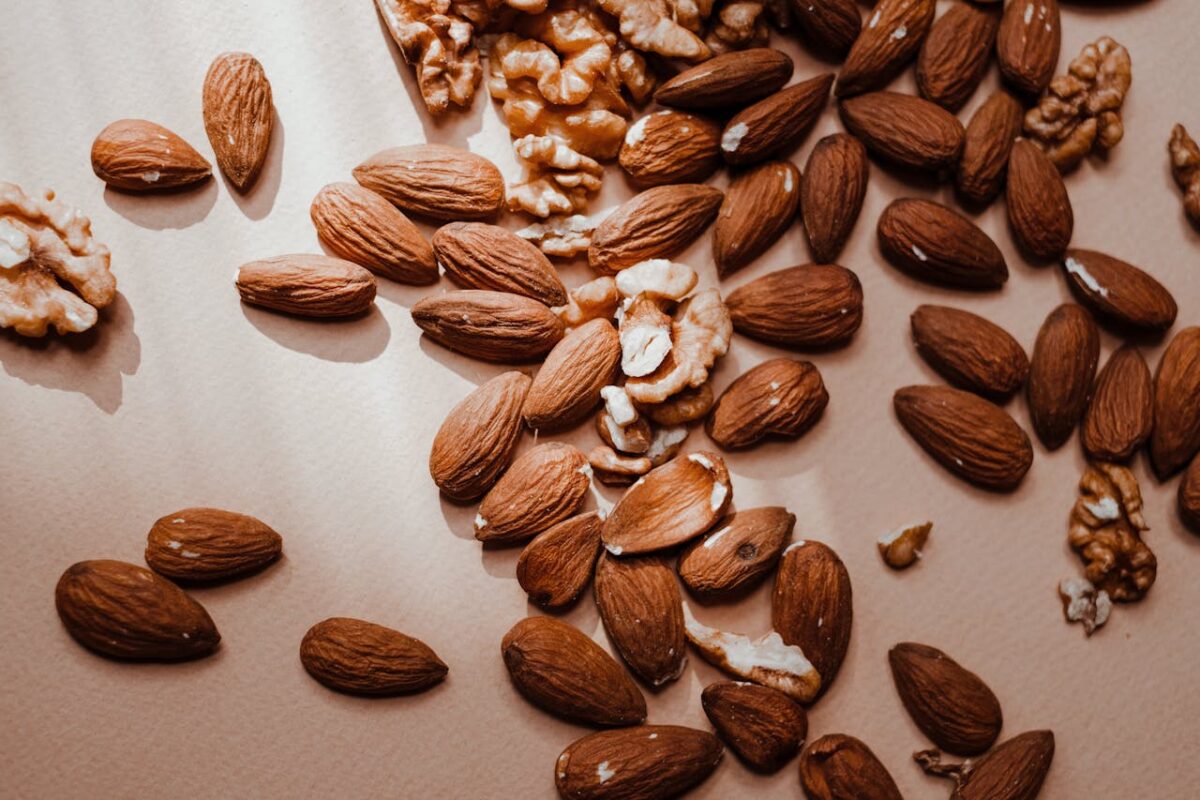
Almonds, cashews, peanuts, and nut butters are nutrient-dense snacks that Americans love but they’re high in oxalate, making them risky for calcium stone patients. A handful of almonds here, peanut butter on toast there, and suddenly your oxalate intake is spiking without realizing it.
Chocolate-covered nuts or protein bars packed with nuts multiply the problem. Portion control is essential, and lower-oxalate snacks such as seeds in moderation or yogurt with fruit can replace them safely while keeping your diet balanced.
Chocolate and Cocoa
Chocolate lovers, beware. Dark chocolate and cocoa are surprisingly rich in oxalate, and too much can fuel calcium stone formation. While occasional treats are fine, daily chocolate bars, chocolate desserts, or cocoa-heavy drinks can become a silent trigger.
Pairing chocolate with calcium-rich foods does not completely neutralize the risk, so consider cutting back, especially if you have a history of stones. Healthier dessert swaps, like yogurt with berries or nut-free smoothies, can safely satisfy sweet cravings.
Tea and Coffee
Your morning ritual could be raising your risk. Black tea and strong coffee contain oxalates and caffeine, which can concentrate urine and increase the risk of stone formation. Daily consumption in large amounts may not harm everyone, but for stone-prone individuals, moderation is essential.
Swapping one or two cups for herbal teas, water, or diluted options can keep your beverage habits enjoyable while protecting your kidneys. Staying hydrated remains the single most powerful preventative habit.
Sweet Potatoes

Sweet potatoes are beloved for fiber and vitamins, but they’re also high in oxalate. Frequent consumption, especially baked or mashed in large portions, can increase the risk of calcium stones. Small amounts in mixed dishes may be okay, but stone-formers should be cautious with daily servings.
Lower-oxalate root vegetables such as white potatoes, turnips, or rutabaga offer similar nutrients without elevating risk. Rotating your vegetables prevents accidental oxalate overload.
Soy Products
Tofu, soy milk, and soybeans are plant-based protein staples, yet they are rich in oxalate. For those prone to calcium stones, consuming large portions regularly can backfire. Moderation, paired with calcium-rich foods, can reduce the potential for crystal formation.
Variety is key. Lentils, chickpeas, and other legumes can offer protein with lower oxalate levels, keeping your diet plant-forward without feeding stones.
Organ Meats and Red Meat
Liver, kidney, and beef may taste great, but they can raise uric acid levels, promoting uric acid stones and contributing to calcium stones in some individuals. Eating large portions frequently is a fast track to kidney pain.
Balancing meat intake with vegetables and plant proteins, and keeping portions moderate, helps reduce risk while maintaining protein needs for energy and muscle health.
Processed Meats
Bacon, sausage, hot dogs, and deli meats are double trouble: they are high in sodium and animal protein, both of which elevate kidney stone risk. The extra salt can push calcium into your urine, creating conditions that favor crystal formation.
Limiting processed meats and choosing fresh, lower-sodium protein options protects your kidneys without forcing you to adopt a bland diet. Simple swaps like grilled chicken, fish, or eggs in moderation work well.
Sugary Drinks and Cola

Sodas, sweetened juices, and energy drinks dehydrate your body while adding sugar, which can increase your risk of stones. Cola drinks contain phosphoric acid, which further contributes to stone formation. Even a few daily servings can tip your body into a state that promotes stone formation.
Switching to water, sparkling water, or infused lemon water keeps hydration high without the sugar and additives. Proper fluid intake is the cornerstone of stone prevention.