Powassan Virus Cases Surge in the U.S. as Experts Warn of a Fast-Acting Tick-Borne Threat
A once-rare and largely overlooked virus is now drawing urgent attention from public health officials across the United States. Powassan virus, a tick-borne illness first identified more than six decades ago, has reached its highest recorded levels in 2025, with 76 confirmed cases reported nationwide.
Though the numbers may still appear small compared to other infectious diseases, experts warn that the virus’s speed, severity, and increasing geographic spread make it a growing concern. For decades, Powassan virus remained a medical rarity, appearing only in isolated cases that rarely prompted widespread alarm.
But the latest data signals a shift. What was once considered an obscure infection linked to woodland ticks is now being detected more frequently, particularly during warmer months when human outdoor activity overlaps with peak tick populations.
From a Mysterious Case in the 1950s to a Modern Health Concern
The story of Powassan virus begins in 1958 in Ontario, Canada, where a young boy in the town of Powassan died from an illness doctors could not initially explain. The virus that would later bear the town’s name was traced to ticks on wildlife, including squirrels and woodchucks, revealing a previously unknown transmission cycle among animals, ticks, and humans.
For many years after its discovery, Powassan virus remained so rare that it was considered almost a medical curiosity. Sporadic cases appeared across North America, but there was little evidence of sustained transmission or widespread public health impact.
Why Powassan Virus Is Raising New Alarm
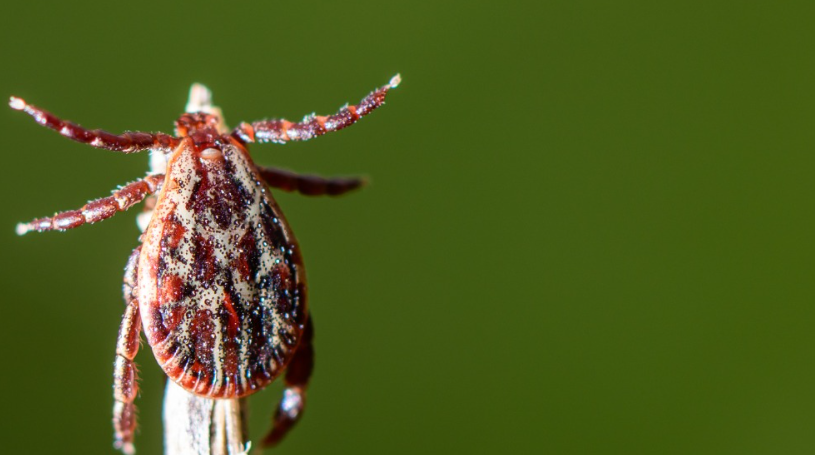
What makes Powassan virus particularly concerning is not just its rarity, but how quickly it can move from tick to human. Unlike Lyme disease, which typically requires a tick to remain attached for more than a day before transmission occurs, Powassan virus can be transmitted in as little as 15 minutes.
Once infected, individuals enter an incubation period that can last from one to four weeks before symptoms begin to appear. Early signs often resemble common viral infections, including fever, fatigue, headache, and nausea. In many cases, these symptoms may go unrecognized until the illness progresses further.
For most people, infection remains mild or even asymptomatic. However, in more severe cases, the virus can attack the central nervous system, leading to dangerous complications such as encephalitis and meningitis.
A Growing Pattern of Severe Neurological Disease
Medical experts are particularly concerned about the neurological impact of the Powassan virus. While still rare, severe cases can result in long-term cognitive impairment, seizures, memory loss, and coordination problems. Approximately one in ten severe infections proves fatal, according to public health estimates, and survivors may face lasting neurological damage.
Unlike many other viral infections, there is currently no targeted antiviral treatment for Powassan virus. There is also no vaccine available. Care is limited to supportive treatment in hospitals, including fluids, respiratory support, and monitoring for complications as they arise. This lack of medical intervention options makes prevention the most critical line of defense.
Rising Cases and Changing Environmental Conditions
The increase to 76 confirmed cases in 2025 represents a significant jump from historical averages of roughly seven to eight cases per year. While improved detection may explain part of the increase, experts believe environmental factors are also playing a role.
Warmer temperatures, longer tick seasons, and expanding wildlife habitats are all contributing to increased human exposure. Deer ticks and woodchuck ticks, the primary carriers of the virus, are now active across a broader range of regions for longer periods each year.
This extended activity window increases the likelihood of human contact, particularly in suburban and rural areas where outdoor activity is common.
Who Faces the Highest Risk
Although anyone can be infected if bitten by a carrier tick, certain groups face a higher risk of severe outcomes. Children, older adults, and individuals with weakened immune systems are particularly vulnerable to complications involving the brain and nervous system.
Geographic risk is also uneven, with higher incidence rates reported in parts of the Northeast and Upper Midwest, where tick populations are well established.
Outdoor workers, hikers, campers, and others who spend extended time in wooded or grassy environments are also at greater risk of exposure. Because the virus can be transmitted so quickly after attachment, even brief encounters with infected ticks can be enough to cause infection.
Prevention in the Absence of a Vaccine

With no vaccine and no specific antiviral treatment available, prevention remains the most effective strategy. Health officials emphasize reducing exposure to tick habitats, using repellents, wearing protective clothing, and performing careful skin checks after outdoor activity. Prompt removal of ticks remains important, though Powassan’s rapid transmission means even early removal may not fully prevent infection.
Public health agencies continue to monitor the virus closely, particularly as seasonal tick activity intensifies. Awareness campaigns have focused on educating residents in higher-risk regions, but experts say broader public understanding remains limited compared with that of more well-known tick-borne diseases.
A Small Virus With Growing Implications
Powassan virus remains rare, but its trajectory is drawing attention precisely because it defies expectations. It does not spread widely like influenza or COVID-19, yet its potential severity and rapid transmission make it disproportionately dangerous for those who do become infected.
As case numbers climb and tick habitats expand, researchers are now treating Powassan not as an isolated anomaly, but as part of a broader shift in vector-borne disease patterns in North America.
Whether the trend continues will depend on a complex mix of environmental change, human behavior, and public health response. For now, the message from experts is clear: while Powassan virus may still be uncommon, it is no longer invisible, and its risks are becoming harder to ignore.