6 Budget Friendly Foods That Make Everyday Meals Easier
Keeping everyday meals affordable doesn’t necessarily mean buying the cheapest item on the shelf. A better strategy is to look for ingredients that can show up in several different meals, store well, and pair easily with other staples you already have. That is where versatile grocery basics earn their place. A bag of rice can become a bowl, a side dish, or fried rice. Pasta can turn into a quick dinner, cold lunch, or baked casserole. Frozen vegetables can rescue a nearly empty pantry by adding something useful to soups, rice dishes, and skillet meals.
Prices vary by store, location, and package size, so check the unit price before buying. Current Walmart listings, for example, show Great Value long-grain rice at $3.37 for 5 pounds, canned black beans at $0.92 for 15 ounces, dry pasta starting at $1.24 for 16 ounces, and frozen mixed vegetables at $0.98 for 12 ounces. The goal is not to declare one food the “cheapest.” It is to identify foods that give you plenty of ways to put a meal together. The research brief for this article specifically calls for judging foods by affordability, versatility, availability, storage, preparation, and their ability to work across different everyday meals.
Rice
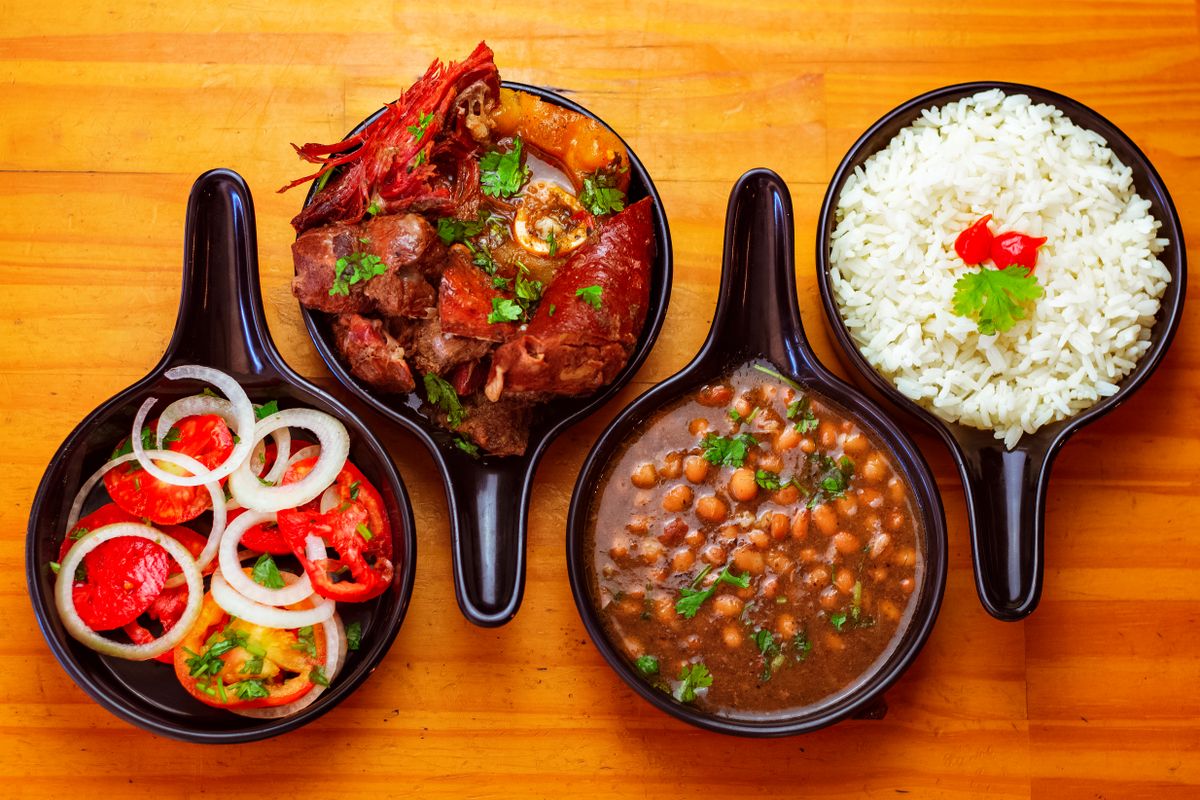
Rice earns its spot because it can take on completely different personalities depending on what you put around it. A basic pot of long-grain rice can become a side dish for chicken, the base of a rice bowl, or the starting point for fried rice. It also works in rice-and-bean combinations, casseroles, and soups.
Current Walmart pricing shows why larger bags are worth comparing. A 5-pound bag of Great Value long-grain rice was listed at $3.37, or about 4.2 cents per ounce, although Walmart notes that prices can vary by location and shopping method. Keep uncooked rice in a cool, dry pantry and think beyond dinner when planning meals. Leftover cooked rice can become fried rice the next day, so you don’t need an entirely new starch.
Related Post: Six Budget-Friendly Foods That Make Everyday Meals Healthier
Pasta
Pasta is another pantry staple that can move from a simple weeknight dinner to an entirely different meal with only a few additions. Toss it with tomato sauce, combine it with frozen vegetables, turn it into a baked casserole, make a cold pasta salad, or use it in soup. Even changing the sauce and vegetables can make the same basic package feel like a different dinner.
Walmart’s current Great Value listings show several 16-ounce pasta varieties, including spaghetti, penne, and fettuccine, starting at $1.24. That versatility matters when building a practical pantry. You do not need a different specialty ingredient for every recipe. A single package can work with whatever inexpensive ingredients are available.
Eggs
Eggs are useful when you need something that can move quickly from refrigerator to plate. They can become scrambled eggs or omelets for breakfast, egg sandwiches for lunch, fried rice for dinner, breakfast burritos, or a simple addition to noodles and vegetables. They also work particularly well for those nights when the refrigerator looks nearly empty. A few eggs combined with leftover rice, potatoes, pasta, or vegetables can turn yesterday’s ingredients into something that feels like a new meal.
The biggest advantage here is flexibility. Instead of buying an ingredient for one specific recipe, you can keep eggs on hand for several quick meals. Because egg prices can vary considerably by region and over time, compare the current price per egg rather than assuming one package is automatically the better deal.
Beans
Canned beans are especially convenient because they eliminate the soaking and cooking time associated with dried beans. A current Walmart listing shows a 15-ounce can of Great Value black beans at $0.92, or 6.1 cents per ounce.
Beans can go into rice bowls, tacos, soups, pasta dishes, and skillet meals. They can also be the main component of a simple bean-and-rice dinner or folded into leftovers to create another meal. Dried beans are another option worth comparing when you have the time and storage space to cook them. The important budget question is not simply whether canned or dried beans have the lower sticker price. Compare the package size, preparation time, and how you actually use them.
Potatoes
Potatoes are another remarkably flexible ingredient for everyday cooking. You can bake them, roast them, mash them, turn them into a skillet meal, or add them to soup. Leftover cooked potatoes can also be repurposed rather than discarded. They work particularly well with inexpensive pantry and refrigerator ingredients. Eggs and potatoes can become breakfast; potatoes and vegetables can become a skillet dinner; leftover cooked potatoes can become another side dish the following day.
When shopping, compare bags by unit price rather than simply grabbing the package with the lowest shelf price. A larger bag is only a better deal if you can use it before it goes bad.
Frozen Mixed Vegetables
Frozen mixed vegetables are useful for a different reason: they provide an easy ingredient you can add to meals without buying several different fresh vegetables. Walmart currently lists Great Value Mixed Vegetables at $0.98 for a 12-ounce bag, or 8.2 cents per ounce. A 32-ounce bag is listed at $2.58, or 8.1 cents per ounce, showing why comparing larger packages can sometimes make sense.
Use them in fried rice, pasta, soups, casseroles, and skillet meals. You can also cook them alongside rice or potatoes for a simple side. The freezer also gives you more flexibility than buying fresh vegetables for one particular recipe and hoping you use the leftovers in time. Still, compare package prices and choose a size that fits how often you cook.
The Budget Trick Is Versatility
The best budget friendly grocery list is not necessarily the one with the lowest total price at checkout. It is the one that gives you several ways to use what you bought. Rice, pasta, eggs, beans, potatoes, and frozen vegetables each serve different roles, which makes them more useful together than buying six ingredients that all perform the same job. Before putting something in your cart, ask three questions: How many meals can I make with it? How long will it keep? And what inexpensive ingredients already in my kitchen can I combine with it?
That simple check can turn a collection of basic groceries into several different meals without requiring a completely new shopping list every night. Prices will vary by retailer and location, so compare unit prices and local promotions before buying. But when an inexpensive ingredient can move comfortably from breakfast to lunch to dinner, that is where the real value starts.