Before You Swipe: 7 Places Where Using Your Credit Card Deserves a Second Thought
Credit cards make everyday life easier. They allow people to pay for groceries, book hotel rooms, rent cars, and handle unexpected expenses without carrying large amounts of cash. They can also offer useful protections when a purchase goes wrong.
But convenience does not mean every card transaction deserves an automatic swipe.
Some places require a little more caution, especially when your card leaves your sight, when you’re dealing with an unfamiliar business, or when the final amount charged may differ from what you expected. A transaction that seems harmless at the moment can sometimes lead to confusing charges, delayed refunds, or an unpleasant surprise on your statement.
This does not mean people should stop using credit cards. It simply means knowing when to slow down and pay attention.
Here are seven places where taking a second look before using your credit card could save you unnecessary trouble.
Unattended Gas Station Pumps
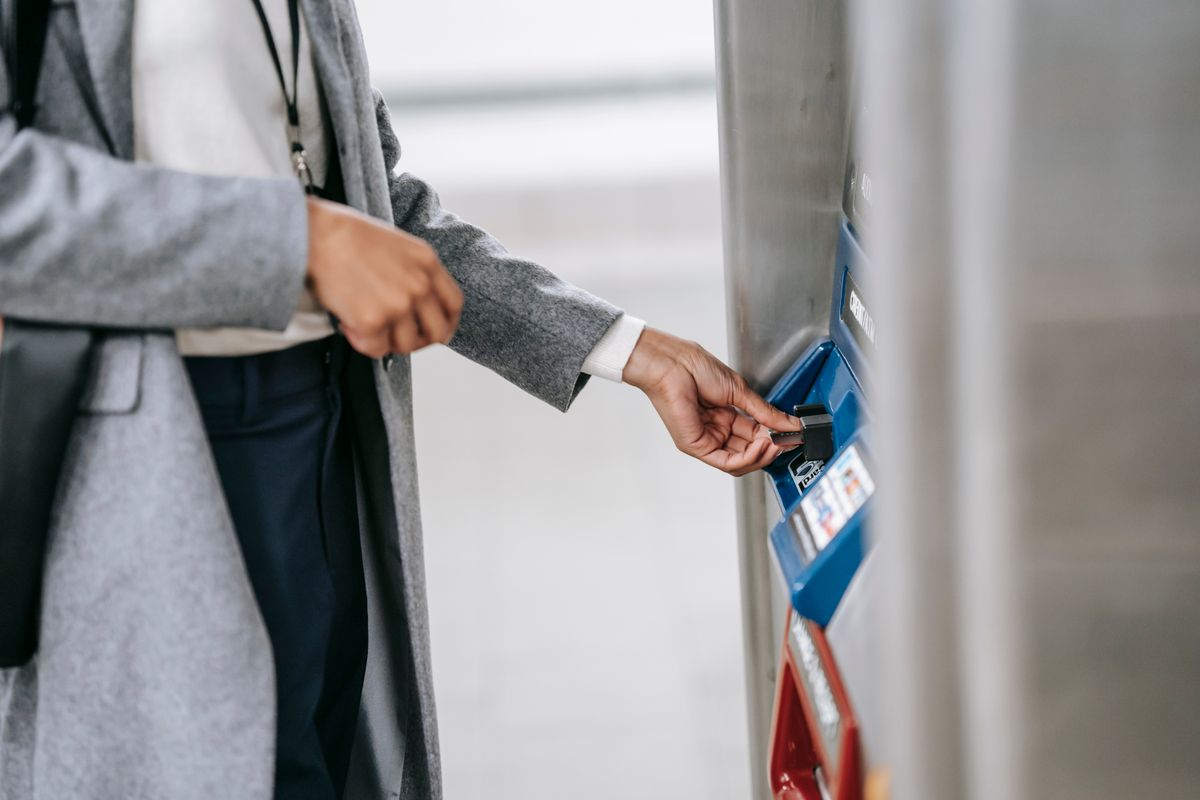
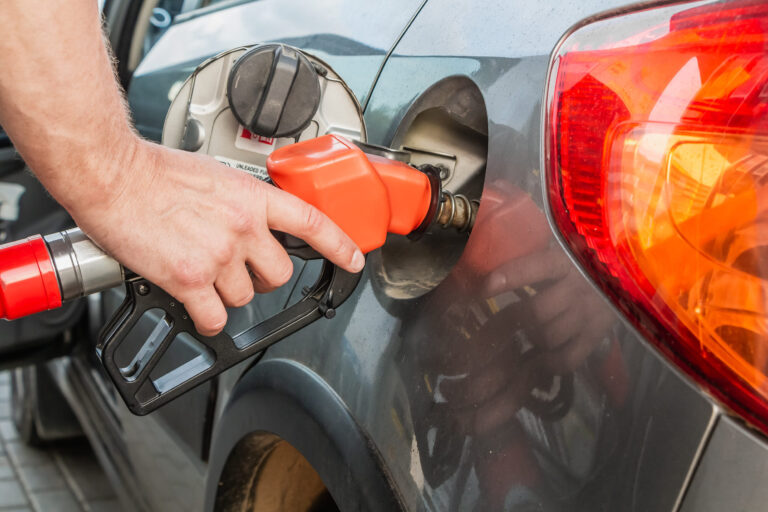
Paying at the pump is one of the easiest ways to buy fuel. You do not have to enter the store, wait in line, or interact with a cashier.
However, unattended fuel pumps can sometimes be targeted by criminals using card skimming devices. These devices are designed to capture card information when someone inserts or swipes a card.
Not every outdoor payment terminal is unsafe, and many gas stations have introduced stronger security measures. Still, it is worth checking the payment area before inserting your card.
Look for anything that appears loose, unusually bulky, or different from the other pumps. If something looks suspicious, use another pump or pay inside.
A few extra seconds of attention can make a difference.
Related: 6 Supermarket Strategies That Make You Overspend
Restaurants Where Your Card Disappears From Sight
Many people hand their credit cards to restaurant servers without giving it much thought. In most establishments, this is an ordinary part of paying the bill.
The concern is not that every restaurant employee is dishonest. The concern is that letting your card leave your sight creates an opportunity for information to be mishandled or copied.
Some restaurants use handheld payment machines that allow customers to complete transactions at the table. When that option is available, it can offer greater visibility into the payment process.
Before handing over your card, check the bill and make sure the amount is correct. If the restaurant takes your card to another area, pay attention to how long it is gone and review your statement afterward.
Trust matters, but it’s still smart to keep an eye on your payment.
Unfamiliar Online Shopping Websites
Online shopping lets you buy almost anything from home. Unfortunately, not every website offering attractive prices is legitimate.
Some unfamiliar shopping sites may have weak security, unclear refund policies, or misleading product listings. Others may be designed to collect payment information without delivering what customers ordered.
Before entering your credit card details, take a moment to examine the website.
Check whether the business provides clear contact information, understandable return policies, and secure payment options. Be particularly cautious when a website offers prices that seem far below what other sellers charge.
A professional-looking website does not automatically guarantee that a business is trustworthy.
If you are unsure, consider shopping through a retailer you already know or using a payment method that offers appropriate purchase protections.
Related: Best Products for Seniors Living at Home in 2026 (Aging in Place Essentials)
Public Wi-Fi Networks
Free Wi-Fi at airports, hotels, coffee shops, and shopping centers can be convenient, especially when traveling.
However, public networks may not offer the same level of security as a trusted private connection. On poorly secured networks, criminals may sometimes attempt to intercept information exchanged between devices and websites.
That makes public Wi-Fi a poor choice for sensitive activities when you can’t confirm the connection is secure.
If you need to make an important payment, consider using your mobile data connection instead. Avoid clicking suspicious links or entering card details into websites that do not use secure connections.
You do not have to avoid public Wi-Fi altogether. Just think twice before using it for financial transactions.
Hotels That Require a Credit Card at Check-In
Checking into a hotel often involves providing a credit card, even when the room has already been paid for.
Hotels commonly use cards to cover incidental expenses, possible damages, or additional purchases during a stay. This may involve placing a temporary authorization hold on part of your available credit.
The amount and length of the hold can vary by property and payment arrangement.
For travelers who are not expecting it, the experience can be confusing. A card may appear to have been charged more than the room price, even though some of the amount is only being held temporarily.
Before checking in, ask the hotel how much it plans to authorize and when the hold is expected to be released.
It is also worth checking your statement after checkout to make sure the final charges are correct.
Rental Car Counters

Renting a car can involve more than paying the advertised daily rate.
Rental companies may place authorization holds on credit cards to cover potential additional costs, such as fuel, tolls, or damage-related charges. Requirements differ by company and rental agreement.
This can surprise customers who arrive expecting to be charged only the rental price.
Before signing the agreement, read the payment terms carefully. Ask about deposits, authorization holds, fuel policies, and any additional fees that could appear on the final bill.
It is also sensible to document the vehicle’s condition before driving away. Taking photographs of existing scratches or dents can help avoid disagreements when returning the car.
The goal is not to make renting a vehicle difficult. It is to make sure you understand what you are agreeing to before your card is charged.
Related: 10 Car Insurance Mistakes That Are Costing You More Than You Think.
Medical Offices With Confusing Payment Arrangements
Medical offices are another place where people may use credit cards without knowing exactly how much they will ultimately owe.
Depending on the provider and insurance arrangements, a payment made during an appointment may not represent the final amount. Additional billing adjustments or insurance processing may happen later.
This can confuse patients when another bill arrives after they thought everything was settled.
Before paying, ask whether the amount is a final balance, an estimated payment, or a deposit toward a future bill.
Request an itemized receipt and keep payment records. If you see a charge you don’t recognize, contact the provider before assuming it is correct.
You can reasonably expect clear explanations of what you are paying for.
A Credit Card Is Useful, but Paying Attention Matters
Credit cards are not the problem. In fact, they can be useful financial tools when handled responsibly. Many offer transaction alerts, fraud monitoring, and dispute procedures that may help customers deal with unauthorized charges.
The bigger issue is using them without understanding the circumstances surrounding a transaction.
A restaurant bill should be checked. A hotel authorization should be understood. An unfamiliar website deserves scrutiny. Report any suspicious card activity to the card issuer promptly.
Small precautions can help people avoid unnecessary frustration.
Have you ever used your credit card at a hotel, restaurant, gas station, or online store and later found a charge you didn’t expect? Were you able to resolve it, or did it become a bigger headache than you anticipated?