10 Foods That Were Banned in America at One Point
Most Americans assume that if a food is sitting on a grocery store shelf, it has always been allowed. But the history of food in the United States is full of bans, restrictions, and strange laws. Some foods were outlawed for safety reasons, others for economic reasons, and a few for reasons that seem bizarre today.
Some of these bans lasted only a few years, while others stretched on for decades. A few are still in place in some form. In many cases, the rules reveal a great deal about the fears and priorities of the time.
From colored margarine to certain food dyes, the list is longer than many people realize. Here are ten foods that were banned or heavily restricted in America at one point, and the stories behind those decisions.
1. Yellow Margarine
Margarine was introduced in the late 1800s as a cheaper alternative to butter. Dairy farmers saw it as a threat, and they pushed lawmakers to restrict it. Many states passed laws banning margarine that was colored yellow to look like butter.
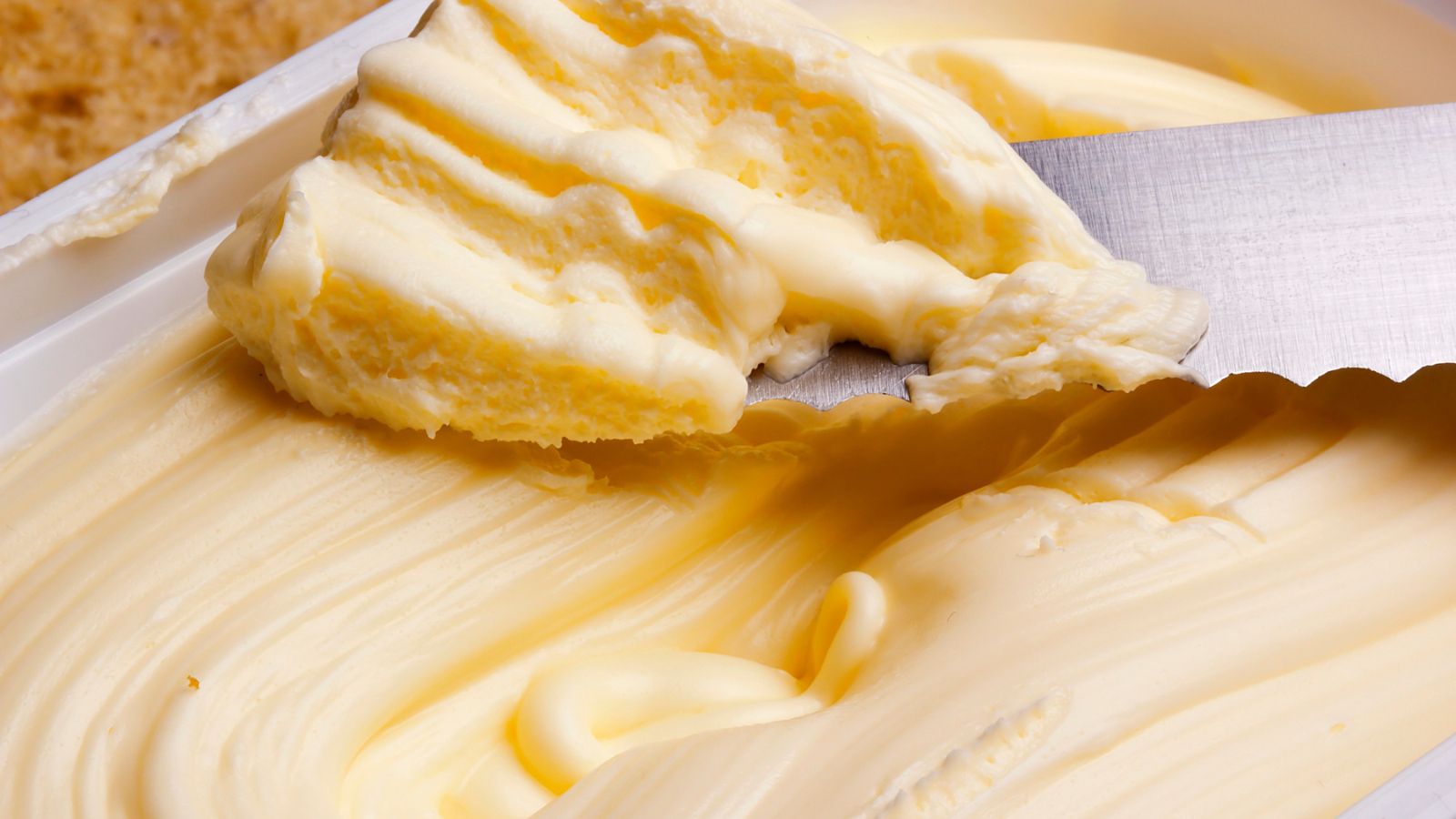
Some states required margarine to be dyed pink or other unappetizing colors. Smithsonian Magazine has told the story of when margarine was pink. Manufacturers later sold white margarine with a packet of yellow dye that families mixed in at home.
Wisconsin, a major dairy state, was one of the last to lift its ban on colored margarine, in 1967. For decades, Wisconsin residents drove across state lines to buy yellow margarine. The story shows how powerful the dairy industry was.
2. Alcohol During Prohibition
From 1920 to 1933, Prohibition banned the manufacture, sale, and transport of alcoholic beverages in the United States. The goal was to reduce crime and improve public health. Instead, it led to bootlegging and speakeasies.
Prohibition also affected the food world. Restaurants lost income from wine and beer, and some recipes changed. Grape juice concentrates were sold with warnings not to let them ferment, a wink to customers who wanted to make wine.
The 21st Amendment repealed Prohibition in 1933. But some counties remain “dry” today. Prohibition is one of the most famous food and drink bans in American history.
3. Absinthe
Absinthe, a strong anise-flavored spirit, was banned in the United States in 1912. It was blamed for causing hallucinations and madness, largely because of a compound called thujone found in wormwood. The ban lasted nearly a century.
In 2007, absinthe became legal again in the United States, as long as it contained very low levels of thujone. Modern research has shown that its effects were exaggerated. Today, absinthe is sold in liquor stores.
Absinthe’s ban reflects fears about alcohol and drugs in the early 20th century. It became a symbol of artistic rebellion in Europe. Its return to the United States was celebrated by fans.
4. Sassafras Root Beer
Sassafras root was the original flavoring in root beer. It gave the drink its distinctive taste. But in 1960, the FDA banned safrole, a compound in sassafras, as a food additive after studies linked it to cancer in laboratory animals.
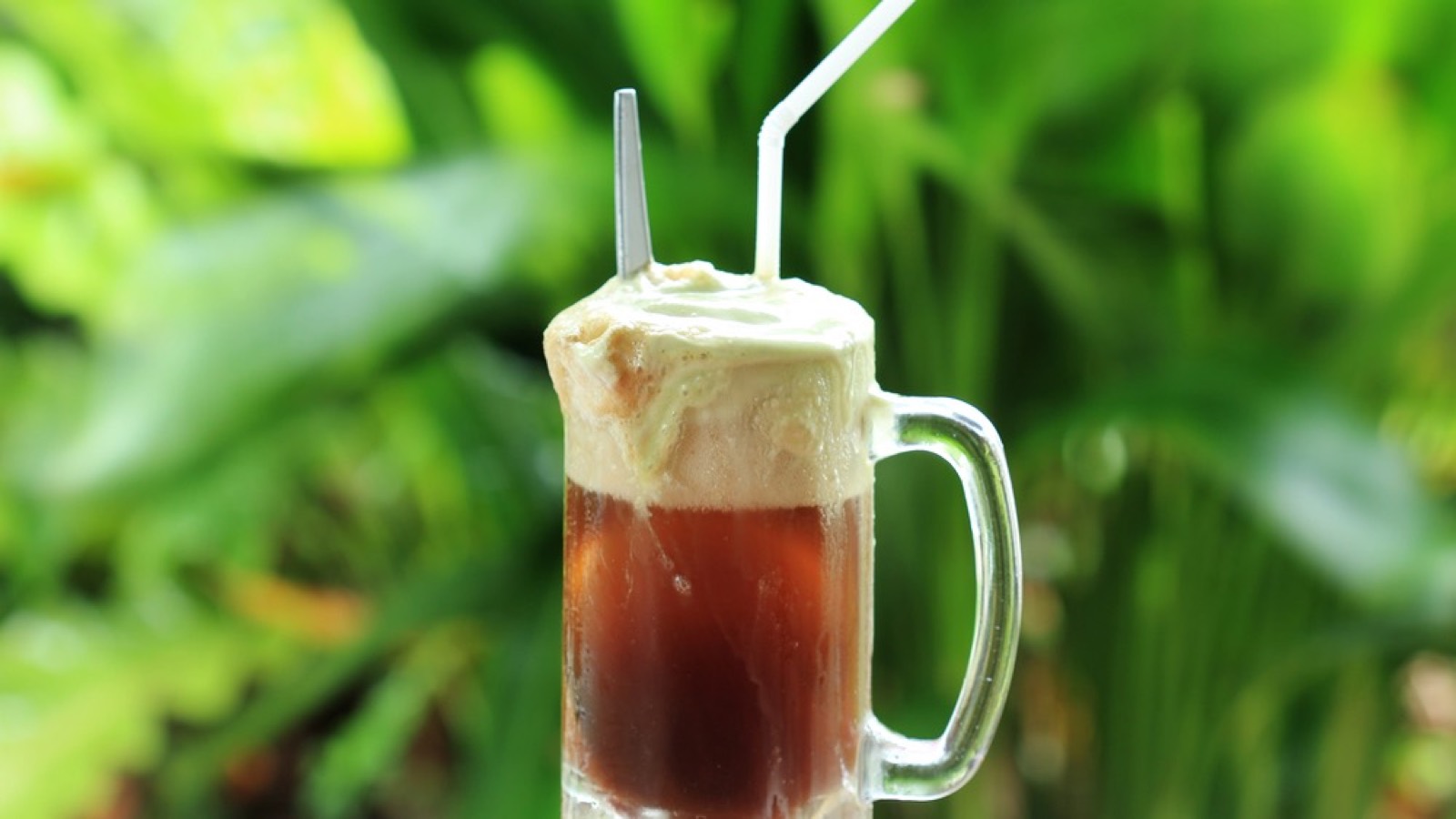
Root beer manufacturers switched to artificial flavors and safrole-free extracts. Today’s root beer tastes similar but does not contain natural sassafras oil. Some old-fashioned recipes still call for sassafras, but commercial products do not use it.
The ban changed one of America’s favorite drinks. Many people who grew up with root beer never knew about the change. It is a reminder of how food safety rules evolve.
5. Red Dye No. 2
In 1976, the FDA banned Red Dye No. 2 after studies suggested it might cause cancer in animals. The dye was widely used in candy, soda, and other foods. The ban caused a panic among food manufacturers.
Mars removed red M&M’s from its candy mix for nearly a decade, even though the candy did not contain Red Dye No. 2. The company did this to avoid confusion. Red M&M’s returned in 1987.
The ban led to a broader discussion about food dyes. It also showed how public perception can influence food companies. Red Dye No. 2 remains banned in the United States.
6. Red Dye No. 3
More recently, the FDA moved to revoke the authorization of Red Dye No. 3 in food and ingested drugs. The dye has been used in candy, baked goods, and other products. The FDA’s announcement gave manufacturers time to reformulate.
The decision came after decades of concerns. Red Dye No. 3 was already banned in cosmetics in 1990. The new rule extended the ban to food.
Many food companies are now removing artificial dyes from their products. Consumers have pushed for cleaner labels. The change is reshaping many familiar foods.
7. Raw Milk Across State Lines
Raw milk, which has not been pasteurized, is banned from interstate sale in the United States. The FDA prohibited the interstate sale of raw milk for human consumption in 1987. The rule was based on concerns about bacteria such as E. coli and salmonella.
Individual states have their own rules about raw milk. Some allow it to be sold in stores, while others ban it entirely. The debate over raw milk continues today.
Supporters say raw milk has health benefits, while public health officials warn of serious risks. The issue remains controversial. It is one of the most debated food bans in America.
8. Haggis
Traditional Scottish haggis is made with sheep’s lungs, heart, and liver. The United States banned the import of sheep lungs for food in 1971. As a result, traditional haggis cannot be imported from Scotland.
Some American producers make haggis without lungs. Scottish visitors and expats have long complained about the ban. Efforts to lift it have been discussed for years.
The haggis ban is a curious example of food regulation. It reflects concerns about food safety and animal health. Many Scots consider it an insult to their national dish.
9. Kinder Surprise Eggs
Kinder Surprise eggs, chocolate eggs with a toy inside, are banned in the United States. The FDA prohibits non-food items embedded in food because they can be a choking hazard. The ban has been in place for decades.
Travelers bringing Kinder Surprise eggs into the country have had them confiscated at the border. In 2018, a different product, Kinder Joy, arrived in American stores. It separates the toy and the chocolate into two halves of a plastic egg.
The ban is a reminder of how food safety rules protect children. It also shows how companies adapt to regulations. Kinder Joy has become popular in the United States.
10. Foie Gras in California
Foie gras, the fattened liver of a duck or goose, has been banned from sale in California since 2012. The ban was based on concerns about the force-feeding of birds. It has faced legal challenges for years.
New York City also passed a ban on foie gras that has been tied up in legal battles. Chefs and restaurant owners have protested the bans. Animal rights groups have supported them.
Foie gras remains legal in most of the United States. But the debate over its production continues. It is one of the most controversial foods in the country.
Why Food Bans Happen
Food bans happen for many reasons, including safety concerns, economic pressures, and moral debates. Some bans are based on science, while others reflect cultural fears or political pressure. Many bans have been lifted or changed over time.
Today, food regulation is handled mainly by the FDA and USDA. New research and public pressure continue to shape what is allowed. Food companies must adapt to changing rules, as seen with Kellogg’s dye removal.
What Food Bans Tell Us
Food bans reveal how society thinks about health, safety, and tradition. They also show how industries can influence laws. Many of these stories are surprising and even amusing today.
Which of these food bans surprised you the most? Some of them are a reminder that what we eat has always been shaped by more than taste, much like the diet trends that come and go.