8 Things Waitresses Did in the 1960s That You Rarely See in Restaurants Today
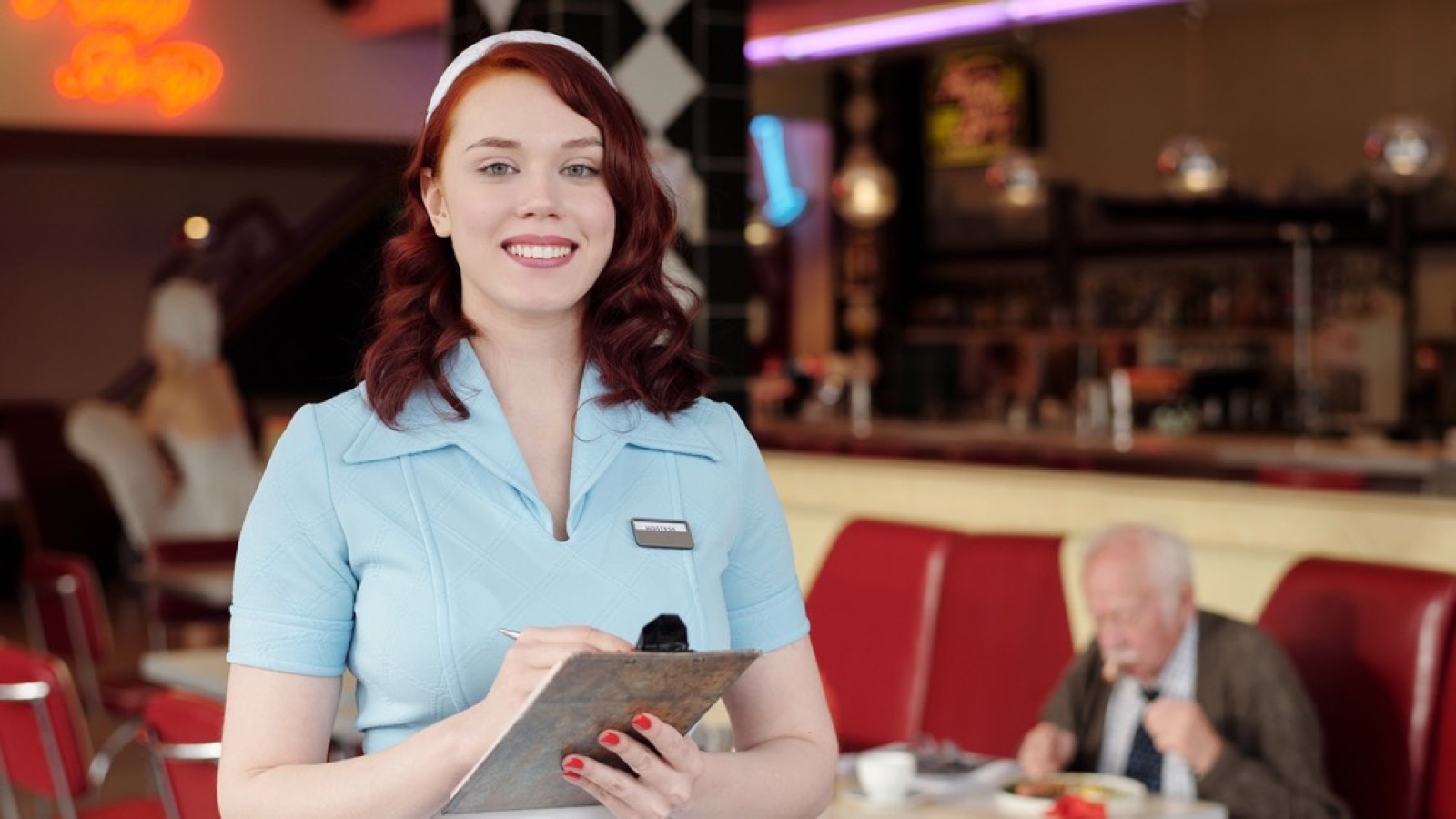
Walk into a diner or coffee shop in the 1960s, and the waitress was the heart of the room. She wore a crisp uniform and apron, carried a pencil behind her ear, and greeted the regulars by name. She knew who took their coffee black and who wanted extra gravy.
Restaurant service has changed enormously since then. Ordering kiosks, apps, and QR-code menus have replaced some of the human touch, and many restaurants are run with smaller staffs. Some diners say service has become faster but far less personal.
For people who grew up in that era, the waitress was often a familiar and comforting figure. Here are eight things waitresses did in the 1960s that you rarely see in restaurants today.
1. They Remembered Your Order
In small-town diners and city coffee shops, waitresses often knew their regulars by heart. They could greet a customer with, “The usual?” and have the coffee poured before he sat down. Remembering orders was part of the job and a point of pride.
This kind of personal service built loyalty. Customers returned to the same diner for years, partly because of the waitress who knew them. It felt like eating at a friend’s kitchen table.
Today, staff turnover is higher in many restaurants, and customers visit more places. It is harder for servers to build that kind of relationship. But some old-fashioned diners still keep the tradition alive.
2. They Wrote Orders on Pads by Hand
Waitresses carried small order pads and wrote everything by hand, often in their own shorthand. They tore off the ticket and clipped it to a spinning wheel or set it on the window for the cook. Some could carry an entire table’s order in their heads.
Today, most restaurants use handheld devices or touchscreen systems. Orders are sent directly to the kitchen. The handwritten ticket has become a rare sight.
Many diners remember the sound of the cook ringing a bell when the food was ready. It was part of the rhythm of the restaurant. Those details made the experience memorable.
3. They Kept the Coffee Coming
Bottomless coffee was a standard feature of 1960s diners. Waitresses walked the room with a pot in hand, refilling cups before they were empty. Customers rarely had to ask.
Free refills are still common in diners, but many cafés now charge per cup. Some restaurants offer refills only on request. The constant coffee pour was a symbol of hospitality.
Many older diners still expect their coffee to be topped off without asking. It is one of the unwritten restaurant rules they grew up with. Some younger customers have never experienced it.
4. They Wore Formal Uniforms
Waitresses in the 1960s often wore crisp dresses, aprons, and sometimes caps. Some restaurants had matching uniforms in pastel colors. The look was neat and professional.
Today, many servers wear casual clothing, such as jeans and T-shirts. Some restaurants still have uniforms, but they are usually simpler. The formal look of the past is mostly gone.
The uniforms were part of the restaurant’s image. They signaled that the restaurant took service seriously. Many boomers still picture those uniforms when they think of a classic diner.
5. They Carried Plates Up Their Arms
Skilled waitresses could carry four or five plates at once, stacking them along their arms. It was a balancing act that impressed customers. Some waitresses took pride in never dropping a plate.
Today, many servers use trays or make several trips. Some restaurants have food runners who deliver dishes. The art of carrying plates up the arm is less common.
For many diners, watching a waitress balance plates was part of the show. It showed skill and experience. It was a talent learned over years.
6. They Added Up the Check by Hand
At the end of the meal, waitresses added up the check by hand, often doing the math in their heads. They wrote the total at the bottom and set it face down on the table. Customers paid at the register on the way out.
Today, computers calculate the bill, and customers often pay at the table with a card or phone. Some restaurants use tablets for payment. The handwritten check has mostly disappeared.
Many older diners remember waitresses who could add a long column of numbers in seconds. It was a valuable skill. It also built trust between the waitress and the customer.
7. They Called Customers “Hon” and “Sugar”
In many diners, waitresses called customers “hon,” “sugar,” or “sweetheart.” It was a friendly, informal way of speaking. Many customers found it charming and comforting.
Today, some people consider this kind of language too familiar. Many restaurants train servers to use more formal greetings. But in some regions, especially the South and Baltimore, the tradition lives on.
For many boomers, being called “hon” by a waitress is a fond memory. It made them feel welcome. It was part of the warmth of the old-fashioned diner, much like the Southern phrases that still make visitors smile.
8. They Worked for Tips and Built Loyal Customers
Waitresses in the 1960s relied heavily on tips, and they worked hard to earn them. Building relationships with regulars was key. A good waitress could earn a decent living from loyal customers.
Tipping is still a big part of restaurant work, but the system has changed. Many restaurants now use digital tipping screens, and debates over tipping have grown louder. Some states have raised minimum wages for servers.
For many customers, tipping a waitress they knew was a way to show appreciation. It was a personal exchange. Today, tipping can feel more automatic.
Why Restaurant Service Changed
Restaurant service has changed because of technology, labor costs, and changing customer expectations. Many diners want faster service and more convenience. Restaurants have adapted by using kiosks, apps, and smaller staffs.
Some chains are now bringing back more personal service, as customers have noticed. Coverage of how fast food chains are bringing back the human touch shows that people still value a friendly face. The old-fashioned waitress may be gone, but her spirit lives on in many restaurants.
Remembering the Classic Waitress
For many people, the 1960s waitress is a symbol of warmth and hospitality. She made customers feel at home and remembered the small details. Her work was hard, but she did it with pride.
Do you remember a waitress from your childhood diner, and what did she always say when you walked in? Those memories are a reminder of a time when service felt personal.