Avoid These 12 Common Bulk Buys
Shopping in bulk is a popular way to save money, especially at warehouse clubs like Costco and Sam’s Club. However, some items aren’t worth buying in large quantities, despite the initial price advantages. In fact, buying in bulk can sometimes lead to waste, spoilage, or simply to purchasing more than you’ll ever use.
Here’s a breakdown of products you might want to reconsider when you’re thinking about stocking up.
Beer
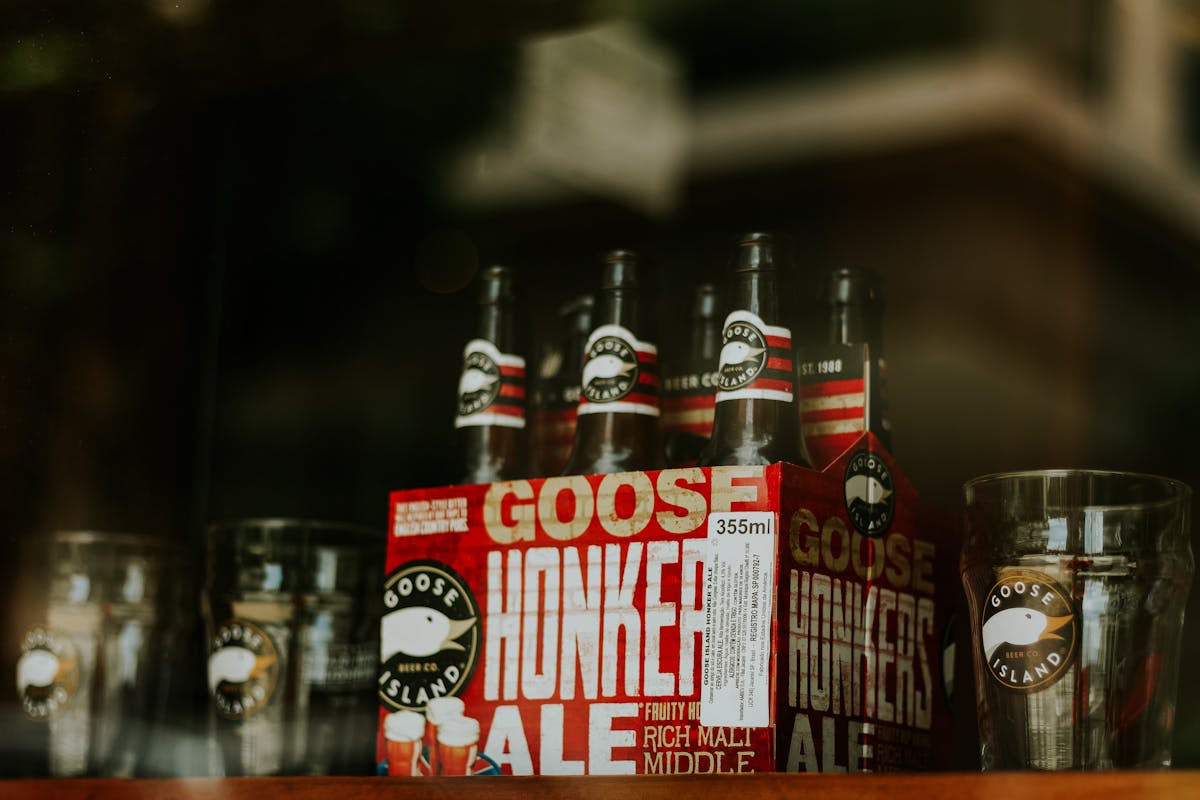
Beer may seem like an excellent item to buy in bulk, especially when you’re looking to host a party or stock your fridge. However, beer doesn’t improve over time. Most beers, particularly light lagers and pale ales, are best consumed within three to six months of purchase.
As beer ages, its flavor degrades, especially craft brews with more delicate notes. For long-term storage, consider investing in a variety that you know you will drink before it loses its appeal.
Diet Soda
Diet sodas may last a few months past their “best by” date, but the quality diminishes quickly. Over time, the artificial sweeteners lose their effectiveness, making the taste less enjoyable.
Additionally, buying soda in bulk means you’re more likely to end up with stale cans or bottles, which defeats the purpose of saving money. If you prefer soda, it’s better to buy it fresh and in quantities that match your consumption rate.
Fresh Produce
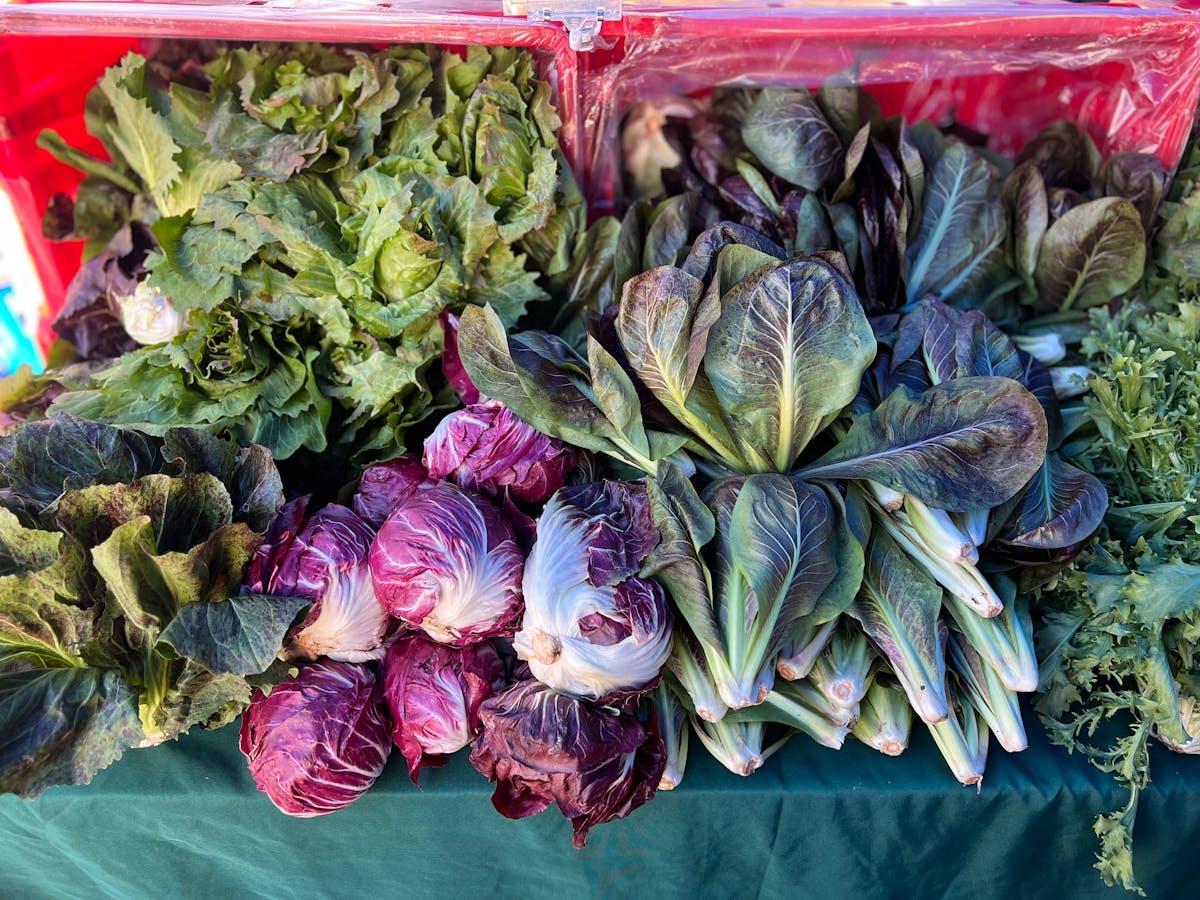
Buying bulk quantities of fresh produce might seem like a good idea if you’re feeding a large family or planning a big event, but it’s easy to end up with spoiled fruits and vegetables. Produce, unlike canned or frozen goods, has a very short shelf life.
Buying in bulk increases the risk of waste, especially for items like berries, leafy greens, and other produce that ripen quickly. Stick with smaller quantities, especially for perishable items you may not be able to use before they spoil.
Laundry Detergent
A giant bottle of laundry detergent might seem like a bargain, but the reality is that liquid detergents and powders have a limited shelf life. According to experts, detergents begin to lose their cleaning power after 6 months to 1 year.
If you’re not doing loads of laundry every day, you’ll find yourself using less effective detergent or discarding a half-used bottle once it’s lost its strength.
Dishwasher Detergent
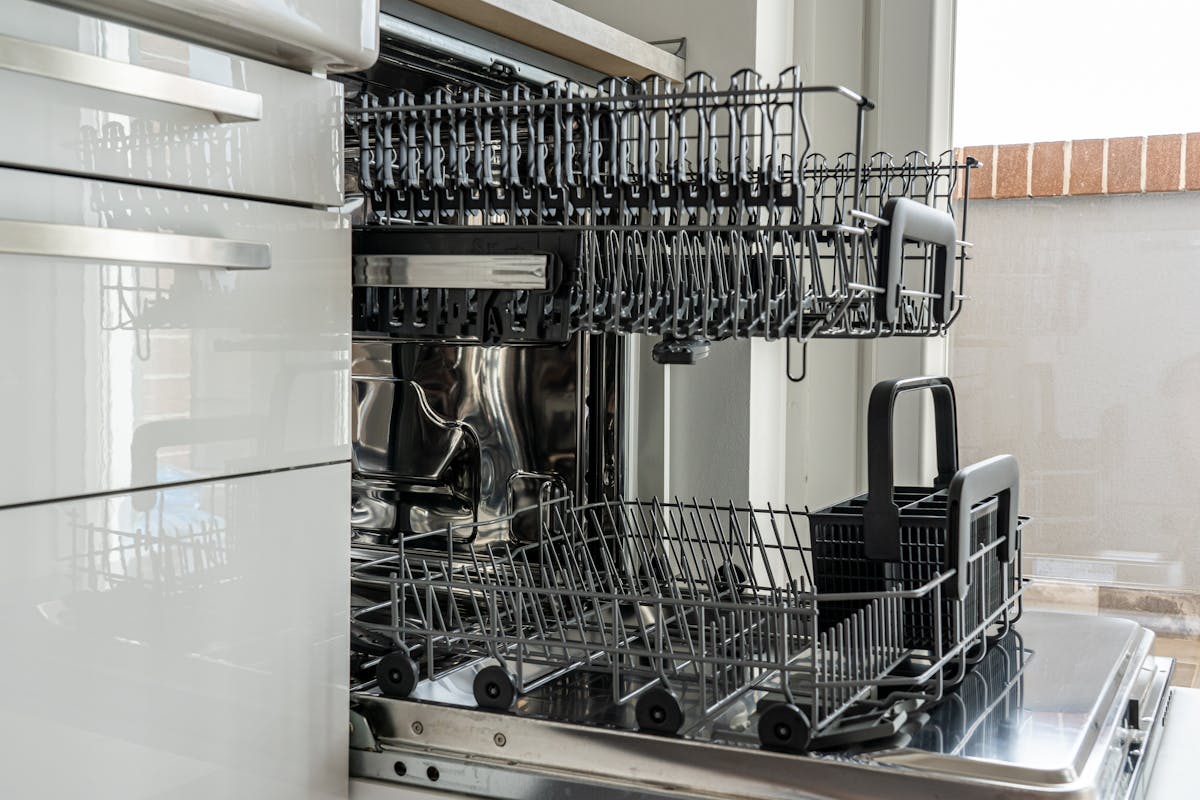
Similar to laundry detergent, dishwasher detergent doesn’t last forever. Bulk quantities of dishwasher detergent lose effectiveness quickly after being opened. Most dishwasher detergents only retain their peak performance for about three months.
After that, they may leave residue on your dishes or fail to clean properly. If you don’t wash dishes daily, buying in bulk may leave you with outdated detergent by the time you need it.
Makeup
When it comes to makeup, buying in bulk isn’t always the best decision. Many beauty products, like mascara, liquid eyeliners, and cream eyeshadows, have very short shelf lives.
Mascara, for instance, lasts about 3 months, while cream-based products like eyeshadows last about 6 months. The longer you keep them, the greater the risk of contamination and irritation. Stick to purchasing makeup items you use frequently and replace regularly.
Sunscreen

Although sunscreen is crucial for protecting your skin, it doesn’t last as long as you might think. The active ingredients in sunscreen begin to degrade after about a year, especially if the product is exposed to heat.
A large bottle may seem like a good deal, but if you don’t use sunscreen daily, it will lose its effectiveness before you finish it. You’re better off buying smaller quantities or finding a product that suits your seasonal needs.
Bleach
Buying bleach in bulk may seem cost-effective, but it loses potency over time. Sodium hypochlorite, the active ingredient in bleach, breaks down and becomes less effective at higher temperatures.
Even if you store bleach at room temperature, it will only remain effective for up to a year. If you don’t use bleach frequently, you’ll find that a large bottle may go to waste before you even get a chance to finish it.
Diapers
Diapers are an essential for parents, but buying them in bulk can be risky. Babies grow fast, and their diaper size can change suddenly. What may seem like a good deal on bulk diapers might result in an excess of unused sizes that are quickly outgrown.
Additionally, diaper prices can fluctuate, and you may find better deals on smaller quantities at different stores. Consider buying diapers in smaller packages, or only in bulk when you’re certain your baby will use the size for a long time.
Probiotics
Probiotics are often bought in bulk to promote digestive health, but they don’t last as long as other vitamins and supplements. Probiotics typically have a shelf life of around a year, and some require refrigeration to maintain their potency.
If you don’t use them regularly, buying them in bulk may result in wasted product. Be sure to check storage instructions before buying large quantities of probiotics.
Skincare Products
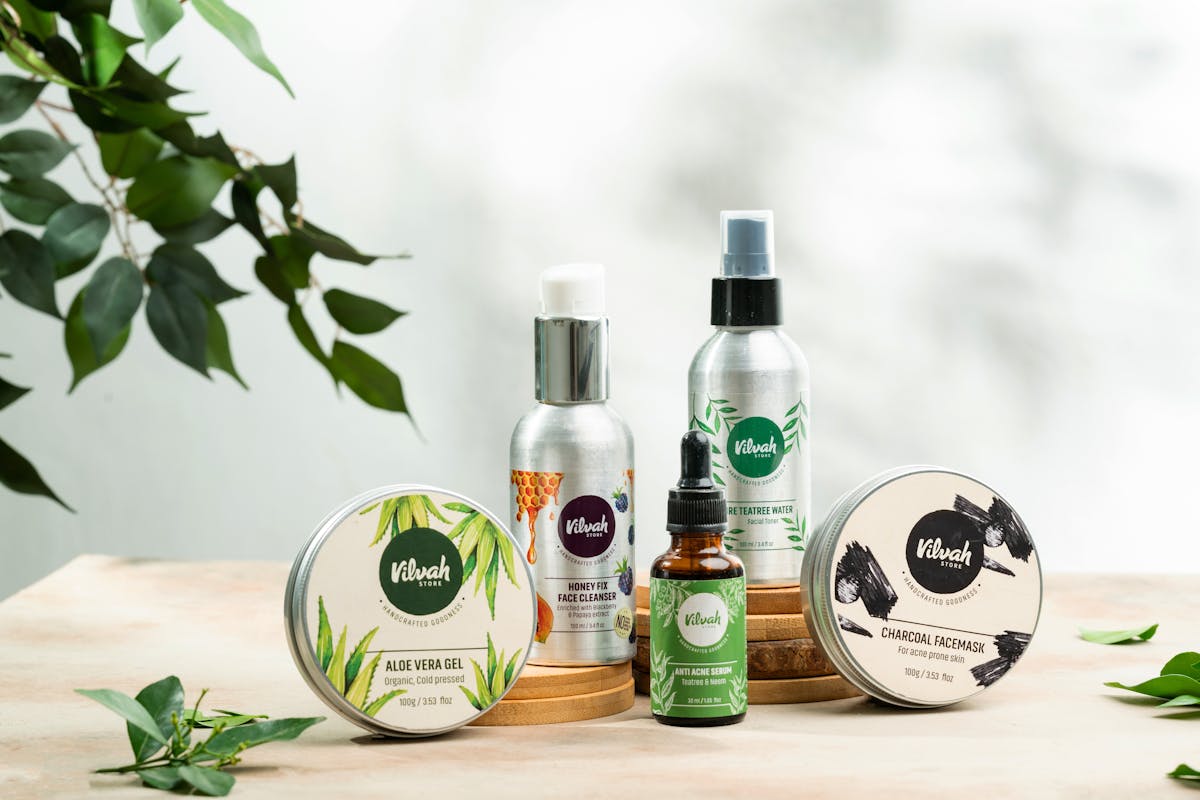
Many skincare products are sold in bulk, but they tend to have short shelf lives. Some products, like hydroquinone creams, have a shelf life of only 2 to 3 months.
Others, like acne treatments and retinoids, last up to 6 months. If you don’t use your skincare products consistently, they may expire before you finish the bottle, leading to wasted product and ineffective treatments.
Whole Grains
Whole grains like brown rice and quinoa have a much shorter shelf life than processed grains. Once the grains are milled, the natural oils within them start to break down and spoil. Whole grains should be consumed within six months when stored in an airtight container.
If you’re not a frequent baker or cook with grains, buying in bulk may result in you throwing out stale, rancid grains before you can use them.
Key Takeaway
Buying in bulk can be a great way to save money, but it’s essential to be mindful of product lifespan, usage frequency, and storage space. Some items simply don’t offer the long-term savings you may expect.
Are you guilty of buying any of these products in bulk, or do you stick to smaller quantities?