9 Shocking Dark Stories About Bananas
Bananas, those bright, cheerful fruits loved by so many. They are the go-to snack, offering a quick burst of energy and essential nutrients like potassium. But behind their sunny exterior, bananas have a darker history, one filled with controversy, disease, and even death. In this article, we uncover 9 shocking stories that reveal how the humble banana has been involved in some of the most unexpected and grim events in history.
The Banana Massacre

The year was 1928, and workers in Colombia, employed by the United Fruit Company (now known as Chiquita), were fed up with the company’s exploitation. They were striking for better working conditions, but what followed would become one of the bloodiest chapters in banana history. President Miguel Mendez, siding with the corporation, deployed 700 soldiers to suppress the protest.
What began as a peaceful strike escalated into a massacre, with the soldiers gunning down as many as 1,500 workers and their families. The exact death toll remains unclear, but this event would go on to define the ruthless relationship between American corporations and Latin American laborers.
The Racist History of Bananas
The banana, despite its innocent appearance, became a symbol of racism in the 20th century. The stereotypical image of apes and monkeys eating bananas was used as a racial slur, particularly in sports. Black athletes were frequently subjected to vile mockery, with banana peels thrown at them during soccer matches in the 1970s and ’80s.
Even in recent years, such acts of racism have continued, including the infamous incident in 2014 when a banana was thrown at a Black player during a Spanish football match. This deeply troubling association with racism continues to haunt the once-beloved fruit.
Bananas and Radiation
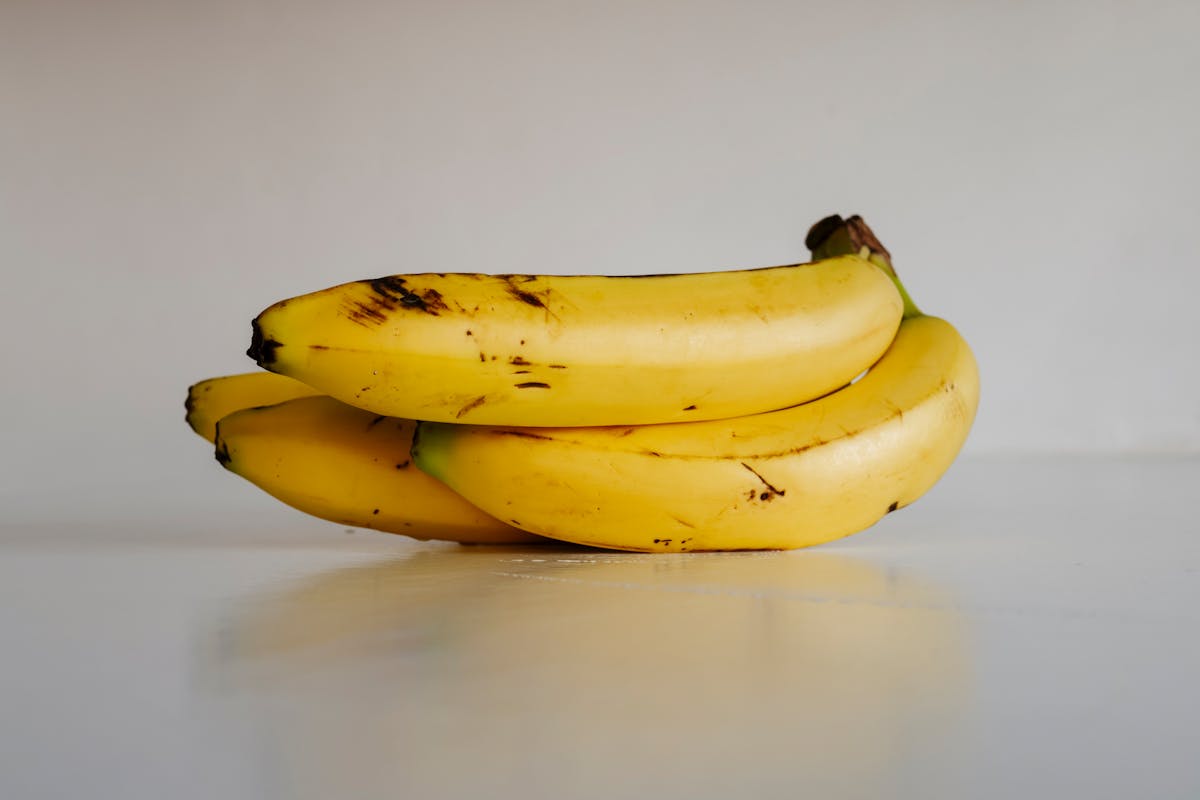
Bananas are known for their high potassium content, a nutrient essential for heart and muscle function. However, what many don’t realize is that potassium, in its natural state, contains small amounts of radioactive isotopes. While the amount of radiation in a single banana is minimal, only 0.01 millirem, it’s still a fascinating fact. Consuming 50 bananas would equal the radiation of a dental X-ray, and 1,000 bananas would equal a chest X-ray.
While you’d have to eat millions of bananas to reach a lethal dose, it’s a stark reminder of the hidden radioactive potential in some of our most common foods.
The Deadly Impact of Panama Disease
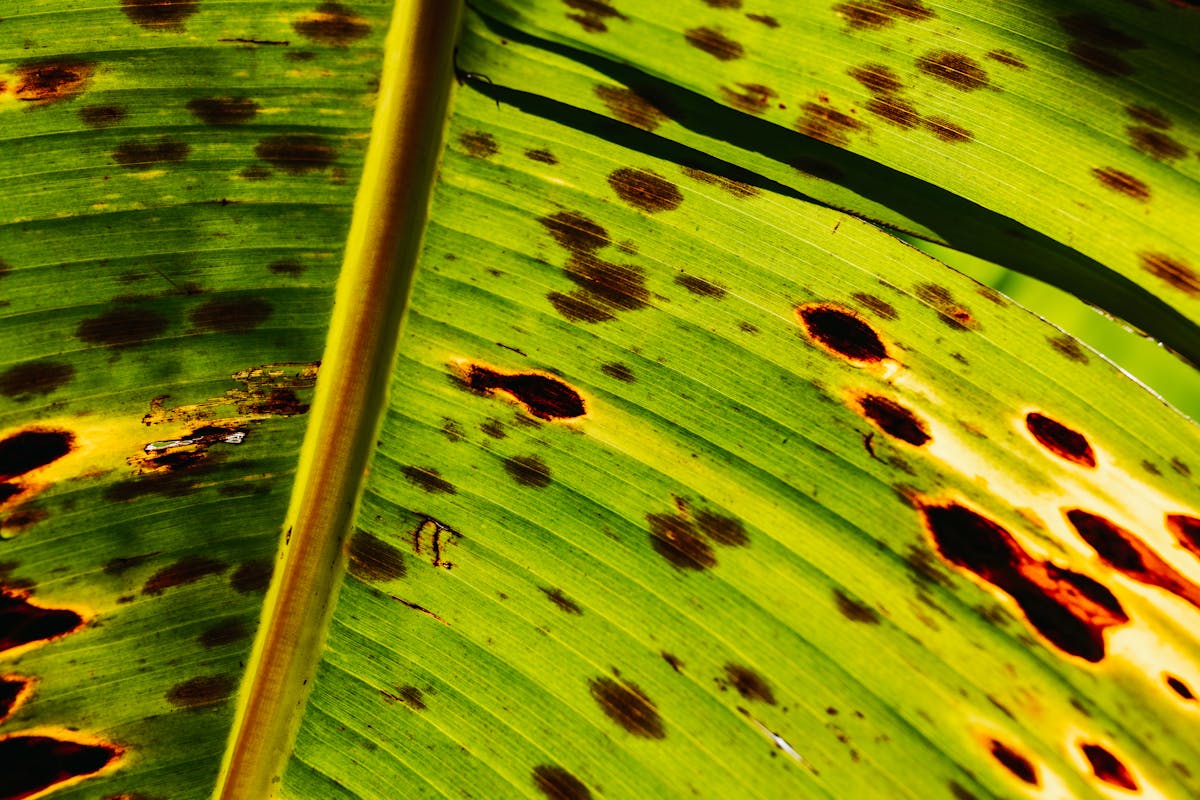
Panama Disease has nearly wiped out entire banana crops twice in the 20th century. This fungal disease first devastated the banana industry in the 1950s, leading to the disappearance of the Gros Michel variety, the most widely grown banana at the time. In response, the Cavendish variety was introduced, but it wasn’t immune to the disease. By the 1990s, a new strain, Panama Disease TR4, emerged, threatening the global banana supply once again.
With its spread into the Americas in 2019, the banana industry now faces an uncertain future, with researchers scrambling to develop new varieties resistant to this ever-evolving disease.
The Banana Incident
In 2023, a seemingly innocent act involving bananas ended in tragedy. Jarrell Garris, a 37-year-old man, was accused of stealing a banana and some grapes from a grocery store in New Rochelle. When police arrived to question him, Garris resisted arrest. The situation escalated, and the officers believed Garris was reaching for a weapon, which led to one officer fatally shooting him.
The incident sparked outrage, with many questioning the use of excessive force over such a minor accusation. The death of Jarrell Garris serves as a stark reminder of the dark, sometimes deadly consequences of even the most trivial events.
The Infamous Banana Peel Slip

Slipping on a banana peel has become a staple trope in slapstick comedy, but the reality of this seemingly harmless event is much more serious. In the late 19th and early 20th centuries, banana peels were commonly discarded on streets, leading to a string of injuries and even deaths. A particularly tragic incident in 1920 involved a child slipping on a peel, falling into traffic, and being fatally struck by a passing vehicle. The seemingly innocuous banana peel had become a silent killer on the streets of New York.
Pesticide Poisoning
In recent years, banana plantations have been at the center of disturbing pesticide-related incidents. In 2022, workers in Kampong Cham, Cambodia, began fainting and suffering from symptoms like nausea and dizziness after exposure to toxic chemicals. Health officials initially blamed the workers’ symptoms on “laziness,” but a shocking turn of events revealed the truth: pesticide exposure had caused the mass illness, leading to the deaths of several workers.
In this case, the plantation workers’ health was dismissed, and an investigation into their treatment was only prompted after the loss of lives.
The Banana Slavery Connection
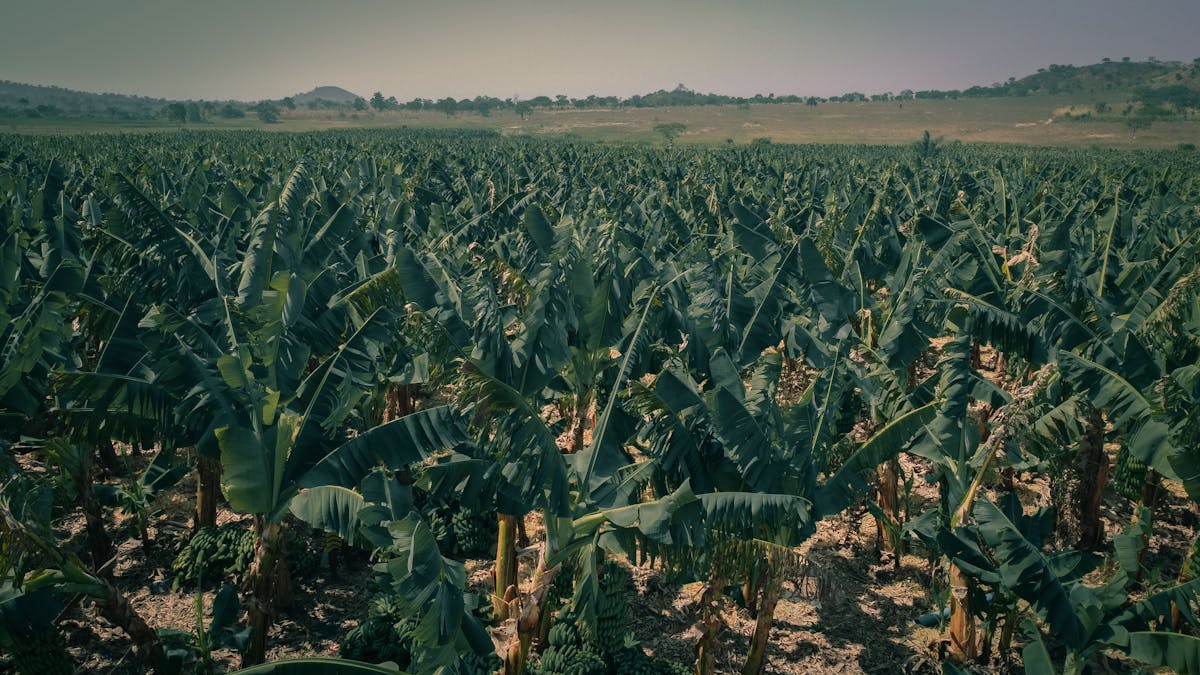
In the early days of banana cultivation in the Americas, bananas were not just an economic commodity; they were intertwined with the horrors of slavery. On many plantations, enslaved workers were forced to toil in the banana fields, where the fruit served as both a food source and a symbol of exploitation. Plantation owners realized that the bananas’ high energy content made them an ideal form of cheap labor fuel for their slaves. Bananas were used to keep the workers going in harsh conditions, providing a small amount of energy in exchange for their grueling labor.
The Tragic Banana Truck Crash
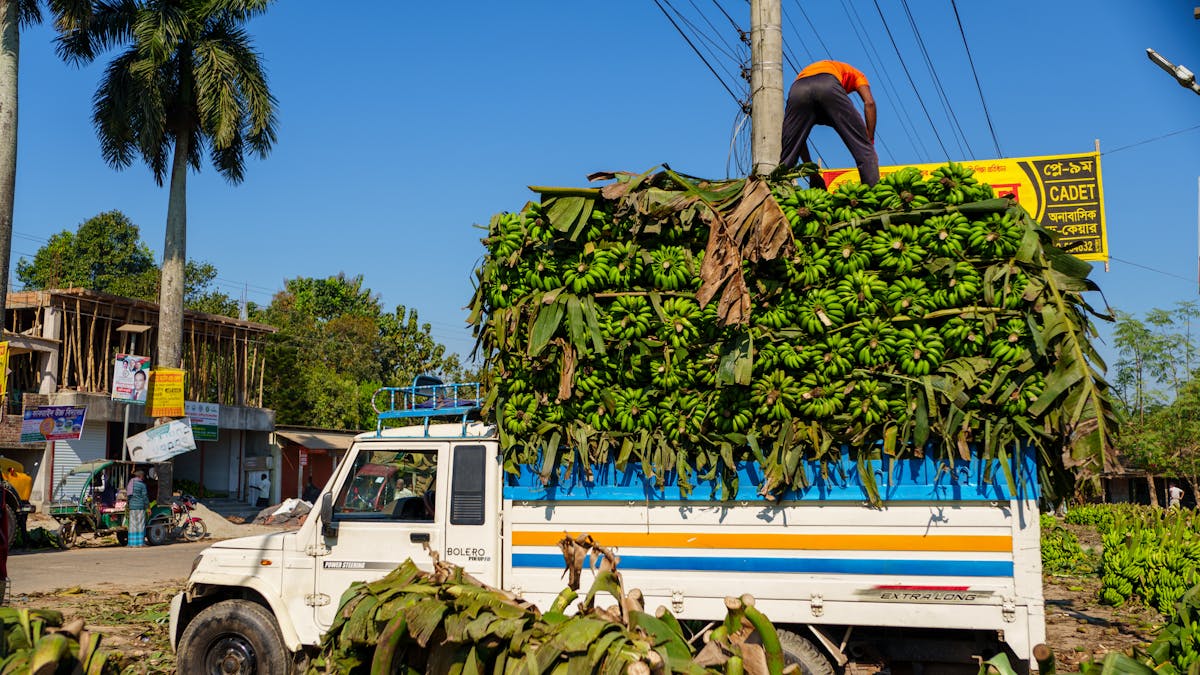
In 1965, the unthinkable happened on Route 307 in Scranton, Pennsylvania, where a truck carrying 30,000 pounds of bananas lost control. The driver, Eugene Sesky, was navigating a steep descent when he crashed into multiple vehicles and a nearby home. The bananas were scattered everywhere, and while the truck driver tragically died in the crash, his swift actions prevented further fatalities.
The event inspired the folk-rock song “30,000 Pounds of Bananas” by Harry Chapin, forever cementing the crash in pop culture history.
Conclusion
From corporate greed to environmental devastation, bananas have played a far darker role in history than most people realize. While they continue to be a beloved fruit around the world, these nine stories reveal the darker side of bananas, showing that behind their cheerful yellow exterior lies a history of violence, exploitation, and tragedy. These tales serve as a reminder of the complex and often troubling connections between food, power, and history.