The 6 Truths About Sugar-Free Foods and Why They Could Be Worse Than You Think
Walk through any supermarket, and you will see the same promise dressed in different packaging. Zero sugar yogurt. Sugar-free cookies. Diet soda. No added sugar bars. The message is seductive because it makes a complicated nutrition decision feel wonderfully simple. Sugar is bad, the label says none, so the product must be better. That logic feels clean, modern, and responsible, which is exactly why it sells so well.
The problem is that food labels often whisper one truth and hide three others. A product can be sugar-free and still be heavily processed, calorie-dense, low in fiber, and built to keep your taste buds chasing more sweetness. Even major health bodies do not treat sugar substitutes as a magic fix. The World Health Organization advises against using non-sugar sweeteners as a long-term strategy for weight control or disease prevention, even though regulators like the FDA still consider approved sweeteners safe within established use limits. Those two facts can coexist, and together they tell a more interesting story than the label ever will.
The label is doing more work than the food.
One of the biggest tricks in the sugar-free world is psychological, not chemical. When people see “sugar free,” they often stop asking harder questions. Is it high in refined starch? Is it packed with saturated fat? Is it still a dessert with a wellness costume on? The American Heart Association notes that when you see claims like “sugar-free” or “no added sugar,” you should still check the Nutrition Facts label and ingredients list to determine whether the product is actually a healthier choice.
That matters because “sugar-free” does not mean “free of problems.” According to FDA and AHA guidance reflected in consumer labeling, sugar-free generally means that a serving contains less than 0.5 grams of sugar. It does not mean low-calorie, minimally processed, or nutritionally balanced. In fact, FDA guidance has long required some products making sugar-free claims to disclose when they are not low or reduced-calorie, precisely because consumers can be misled by the halo around the phrase.
Sweetness without sugar can still keep you hooked.
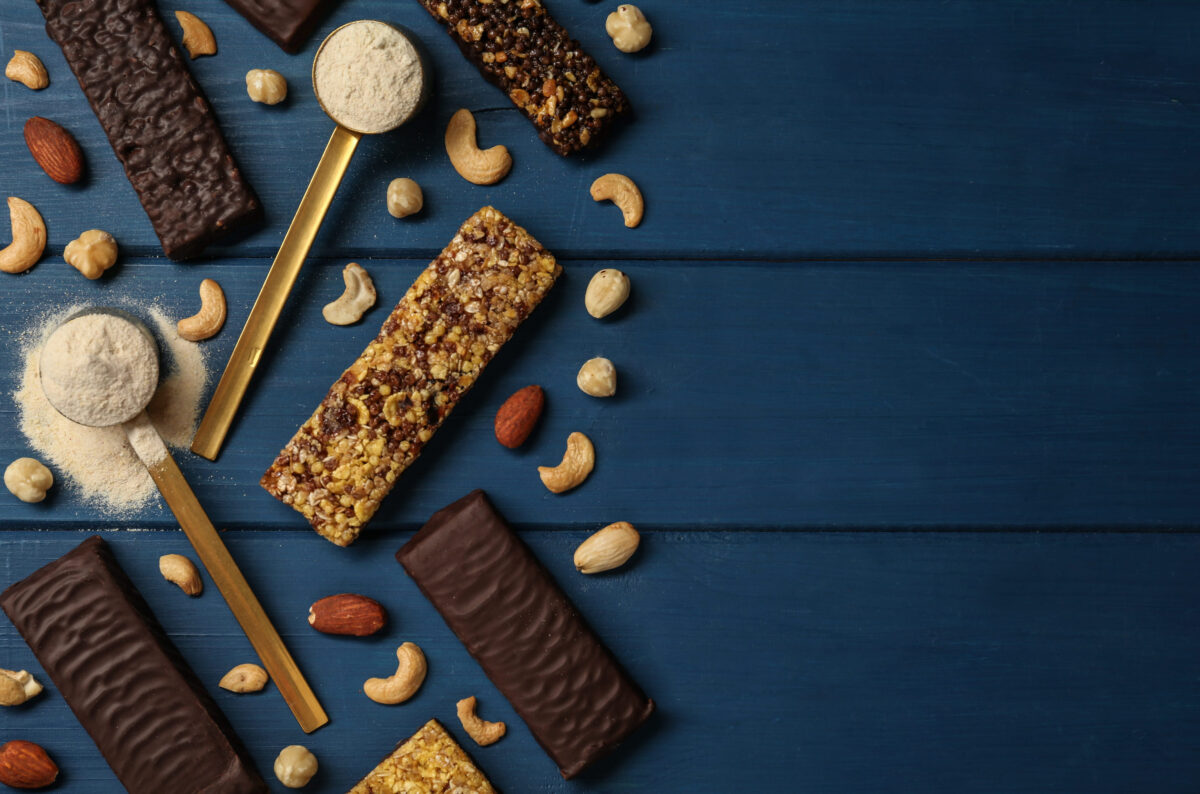
Many sugar-free foods are designed to keep the sweet taste turned all the way up. That may help reduce added sugar in the moment, but it does not always help retrain the palate. If every yogurt, drink, protein bar, and dessert is still intensely sweet, your brain may never really step off the sweetness treadmill. Instead of learning to enjoy plain Greek yogurt, fruit, nuts, oats, or water, many people keep feeding the same craving in a different format.
Scientists are still working out exactly how non-sugar sweeteners affect appetite and metabolism, but there are reasons for caution. The National Institute of Diabetes and Digestive and Kidney Diseases notes that short-term human studies have shown that artificial sweeteners may affect insulin levels, which could, in turn, influence appetite and fat storage, though the mechanisms remain under study. NIH-backed research has also shown that the gut can distinguish nutritive sugar from non-caloric sweeteners, helping explain why artificial sweetness may not satisfy the body in the same way real energy sources do. That does not prove every sugar-free snack will backfire, but it does show that the body is not fooled as easily as the tongue is.
Weight control is not as simple as swapping sweeteners.
This is where the sugar-free fantasy starts to wobble. Many people buy sugar-free foods to lose weight or prevent weight gain. That sounds sensible, and in some situations, replacing sugary drinks with lower-calorie options can reduce sugar intake. But the broader long-term evidence is not as flattering as the marketing suggests. The WHO guideline states that non-sugar sweeteners do not provide long-term benefits for reducing body fat in adults or children, and recommends against using them as a tool for weight control.
Part of the issue is behavior. People often compensate. A sugar-free soda can be permission to have fries, pizza, or a second dessert. A low-sugar cookie can feel like a green light to eat six instead of two. The product may have less sugar, but the eating pattern around it can still be chaotic. That is one reason the AHA keeps returning to the bigger picture, urging people to build an overall healthy eating pattern rather than fixating on a single front-of-package claim.
Sugar-free does not mean heart-friendly.
Another hard truth is that sugar-free foods can still contain ingredients you wouldn’t call a health upgrade. Some are loaded with refined flour, sodium, emulsifiers, or saturated fat. Others are basically desserts engineered for better branding. The absence of sugar can distract from everything else in the ingredient list, and that is where many shoppers get trapped. If the label creates a health halo, people may miss the fact that the food is still ultra-processed.
The WHO’s evidence review also raised concern that long-term use of non-sugar sweeteners may be associated with increased risk of type 2 diabetes, cardiovascular disease, and mortality in adults, although the certainty behind those findings is not strong enough to claim direct causation. That distinction matters. This is not a warning that every packet of sweetener is poison. It is a warning that replacing sugar with sweeteners does not automatically create a heart-healthy diet, and relying on these products as a shortcut to health may be a mistake.
The wording on the package can mislead you.
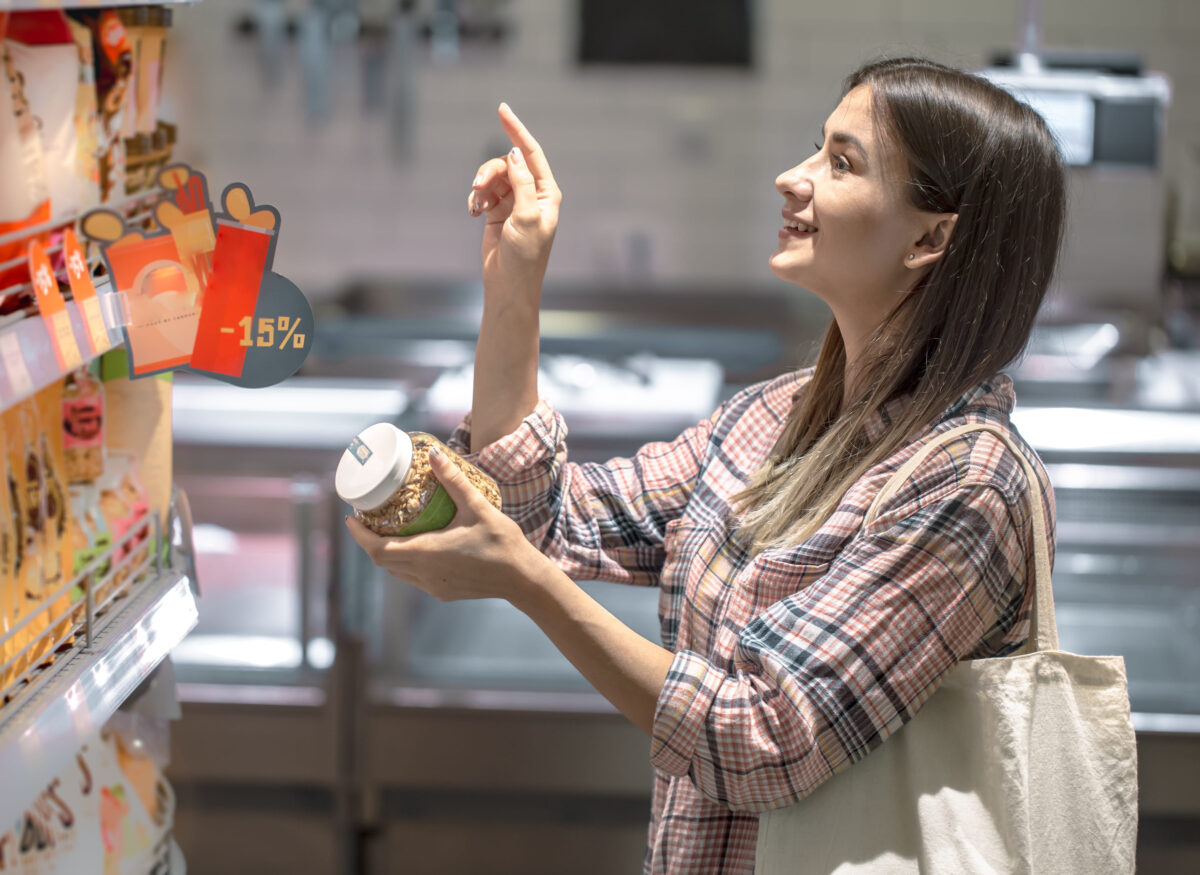
Shoppers also confuse “sugar-free” with “no added sugar,” and the two are not the same. AHA guidance explains that sugar-free refers to a very low amount of sugar per serving, while no added sugar means no sugar-containing ingredients were added during processing. A food labeled no added sugar can still contain naturally occurring sugars, and a sugar-free product can still be highly processed and low in nutritional value. These phrases sound similar, but nutritionally, they can point to very different foods.
Serving size makes the illusion even sharper. If a product contains tiny servings, sugar levels can look impressively low on paper, while real-world intake tells another story. The FDA’s Nutrition Facts guidance emphasizes checking added sugars and serving size together, because small servings can distort how healthy a product appears. That is how people end up thinking they made a disciplined choice when they really just bought a smaller loophole.
So what should you actually eat?
The smartest move is not to panic over every artificial sweetener, nor to treat sugar-free foods as villains by default. The better move is to stop giving the label the final word. If a sugar-free product helps someone reduce large amounts of added sugar, especially in a transition phase, it can be useful. The FDA continues to say that approved sweeteners, such as aspartame, are safe under their approved conditions of use, and the AHA recognizes certain low-calorie sweeteners as safe for use in foods and beverages. The issue is not one packet in your coffee. The issue is building an entire diet around industrial sweetness and calling it healthy.
In practical terms, the best replacements are often the least glamorous ones. Water instead of diet soda. Plain yogurt with fruit instead of a zero-sugar dessert yogurt. Oatmeal with cinnamon and banana instead of a sugar-free breakfast bar. Foods with fiber, protein, and minimal processing usually do a better job of satisfying appetite than products designed to imitate indulgence without changing the habit behind it. That is why heart health guidance still centers on overall dietary pattern, not clever label language.
Conclusion
Sugar-free foods are not automatically worse than sugar in every situation, but they can be worse than people imagine. They can create a health halo, keep cravings alive, disguise ultra-processed ingredients, and encourage the lazy assumption that the absence of sugar equals health. That assumption is where the real trouble begins.
The truth is simpler and less marketable. A sugar-free cookie is still a cookie. A zero-sugar drink is not the same as water. A no-added-sugar snack can still be a nutritional mess. If you want to eat better, stop chasing magic wording on the front of the package and start paying attention to the whole food, the whole label, and the whole pattern of your diet. That is where real health lives.